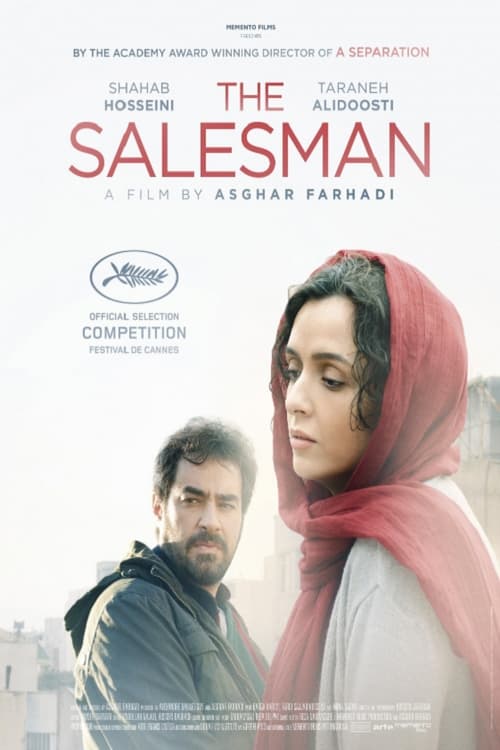
Drama · Thriller
The Salesman
Iranian (فروشنده)
2016 · Directed by Asghar Farhadi · 125 min


Drama · Thriller
Iranian (فروشنده)
2016 · Directed by Asghar Farhadi · 125 min






Meaning, unpacked
Central idea
The film explores how an act of harm tests a decent person's sense of justice, and how the wish for resolution can become its own kind of violence. It can be read as asking what dignity, shame and revenge really cost.
What it means
A couple, Emad and Rana, move into a new flat after their old building cracks. Rana is hurt there, in a home that was never really theirs, and Emad sets out to find the man responsible and settle it his own way. The film is about what happens inside that decision.
At its heart is an uncomfortable question: when a decent person is harmed, what does his sense of justice turn into? Emad wants resolution, and the film keeps asking whether getting it can bring the peace he expects. Shame drives much of it. Fear of gossip and of being judged pushes justice out of the courts and into a stairwell. Emad and Rana also respond to the same event differently, and what each needs pulls them apart. The play they rehearse, Death of a Salesman, gives them a second language for guilt and humiliation. In the end, some wounds are made worse by the effort to prove they have been answered.
Why it mattered
This is an original screenplay by Farhadi, not an adaptation of Arthur Miller. Miller's play is something the characters rehearse, a counterpoint rather than a plot device. The film builds suspense from private dilemmas, not action. The central incident stays mostly off screen, so you, like Emad, must reconstruct what happened, and your imagination becomes the suspense. Facts surface late, so each revelation shifts your sympathy.
It was shot in Tehran under Iranian censorship rules, and Farhadi has said these limits push him to imply and suggest. Violence is mostly implied, the score stays in the background, and the effect rests on silence and dialogue. The long final confrontation turns the thriller inside out: Emad gets control, and you question whether you wanted him to have it. At Cannes in 2016 the film won Best Screenplay for Farhadi and Best Actor for Shahab Hosseini.
Before anyone tells you what to think: what did you make of it?
Log in to rate it and leave commentsIt takes one click with Google or an email link. You come straight back here.
Rate it, keep your notes, and find the next film.
Free, no ads. Your journal, your lists, a Cine Guide that remembers you.
Create your free spaceIt helped confirm Farhadi's model of the domestic moral thriller for international art cinema. It also raised the visibility of Iranian filmmakers working within censorship, showing that restraint and implication can sustain suspense. It went on to win the Academy Award for Best Foreign Language Film.
The 2017 ceremony became part of the story. Farhadi stayed away because of the American travel ban affecting Iran and six other countries, and Anousheh Ansari accepted for him and read his statement, which criticised dividing the world into us and enemies. Critics praised the writing and acting; some found it more schematic than A Separation, but most admired its slow tension and moral complexity. Today it is seen as one of Farhadi's most accomplished films, often read alongside A Separation as a study of private justice, and used in discussions of honour, shame and justice outside the courts.
What happens
Emad confronts the intruder, an elderly man with a heart condition, before his family. After Emad strikes him, the man collapses and dies. Rana, who begged him to stop, is left carrying what was done in her name.
The last image
Emad and Rana prepare for the play in silence, side by side, their stage makeup covering a gap between them that cannot be mended.
What it says
Emad wanted resolution and got a death instead. The film ends on the couple performing ordinary life again, because it argues that the effort to prove a wound has been answered often makes it worse.
Or follow an idea from this film

Continue the director
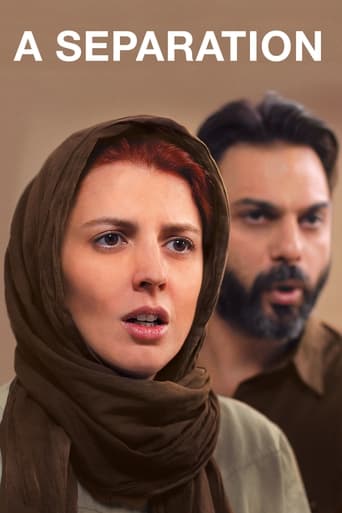
A Separation (2011)
Farhadi's most celebrated film, with a similar structure of private dilemma and contested truth. It shows his method at its tightest.
Explore the era or movement
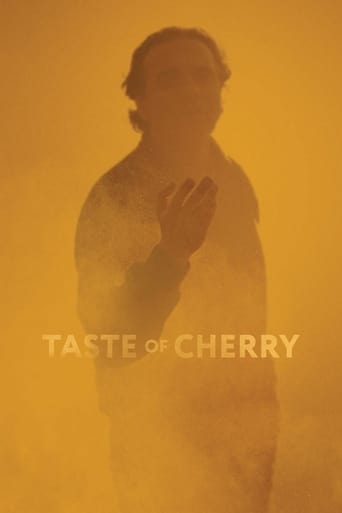
Taste of Cherry (1997)
Abbas Kiarostami's Palme d'Or winner shows the Iranian art-cinema tradition Farhadi grew from: simple means, moral questions and an open ending.
Follow the idea
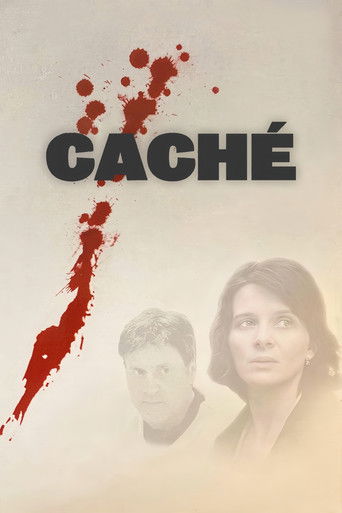
Caché (2005)
Michael Haneke's thriller also makes suspense from a bourgeois couple, withheld information and the moral consequences of guilt.

Jump forward
Anatomy of a Fall (2023)
A recent film that, like Farhadi's, turns a private tragedy into a puzzle about truth, marriage and who gets believed.