Horror · Mystery
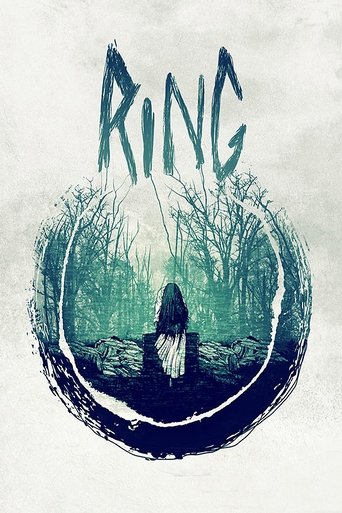
The Ring
American
2002 · Directed by Gore Verbinski · 115 min


Horror · Mystery
American
2002 · Directed by Gore Verbinski · 115 min










Meaning, unpacked
Central idea
The film can be read as an exploration of images as contagion: a recorded image carries pain across time, spreads by being copied, and punishes those who look away from the suffering behind it.
What it means
At its heart, The Ring is about images as something you can catch. A recorded image carries pain across time. It spreads by being copied, and it punishes anyone who looks away from the suffering behind it. The tape moves like a virus, through viewing and duplication, so the film treats media as a way of handing trauma from one person to another. That is why the ending bites: Rachel survives only by making a copy, so staying alive means passing the curse on.
Two things carry the idea. Samara's rage comes from being unheard and sealed away, so the horror reads as someone's ignored pain coming home. And the film chooses ordinary machines as its channel: a television, a phone, a camcorder, in rooms that should be safe. Around that sit quieter themes. Motherhood is both love and harm, as Rachel's protectiveness of Aidan is set against Samara's story. And Rachel's search, which starts as her job as a reporter, becomes a test of what she owes the dead.
Why it mattered
When it arrived in October 2002, The Ring brought the quiet, image-driven style of Japanese ghost cinema into the American mainstream. It remade Hideo Nakata's Ringu, which was itself based on Koji Suzuki's novel. DreamWorks moved the story to the Pacific Northwest and made the heroine an American mother. It is not a shot-for-shot copy: it changes the setting, characters, backstory and many images, and adds new sequences such as the horse scene.
It also showed that a studio film could frighten through suggestion. Gore Verbinski treated the cursed tape as a short experimental film, grainy and dreamlike, often compared to surrealist cinema like Un Chien Andalou. That lets it feel meaningful without being explained. Add a cold, drained look, a restrained score, and a seven-day countdown that turns a mystery into a thriller, and you have horror built from images rather than shocks.
Before anyone tells you what to think: what did you make of it?
Log in to rate it and leave commentsIt takes one click with Google or an email link. You come straight back here.
Rate it, keep your notes, and find the next film.
Free, no ads. Your journal, your lists, a Cine Guide that remembers you.
Create your free spaceThe Ring was a sleeper hit that earned far more than its budget worldwide, and that persuaded other studios to remake Asian horror. It set off a run of American remakes, including The Grudge and Dark Water, and it made the long-haired, water-linked ghost familiar in Western horror. A year later, Scary Movie 3 spoofed it, which shows how fast audiences understood the image. For many English-speaking viewers it was also a first step toward Japanese horror and the name Sadako.
Critics were mostly positive, praising Naomi Watts, the atmosphere and the tape sequence, though some found it less original than Ringu and a few thought the plot over-explained near the end. Today many people see it as the strongest of the American remakes of Asian horror. Its picture of a pale figure climbing out of a television is a lasting horror icon, and "seven days" became shorthand for a chain-letter curse.
What happens
Rachel frees Samara's body from the well and thinks the curse is over, but Noah is killed when Samara climbs out of his television. Rachel realises she survived only by copying the tape, so she must make another copy to save Aidan.
The last image
Rachel is left racing to copy the tape and show it to someone else, passing the curse on to save her son.
What it says
The ending shows images as contagious: pain survives by being copied and handed on. Freeing Samara's body doesn't free her, because she was never really heard. The film ends on a bleak choice, your survival or a stranger's.
Or follow an idea from this film

Compare another approach
Ringu (1998)
Nakata's original, which is shorter and sparer. Seeing both shows how a story changes between Japanese and American filmmaking.
See what influenced it
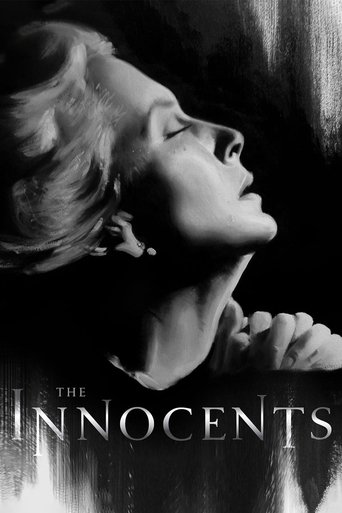
The Innocents (1961)
A ghost story that makes ambiguity and atmosphere frightening, a useful comparison for The Ring's slow-burn style.
Follow the idea
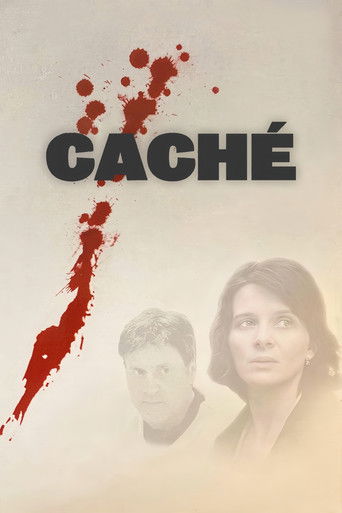
Caché (2005)
Another film where a videotape disrupts a household, treating surveillance and guilt through realism rather than the supernatural.
Explore the era or movement
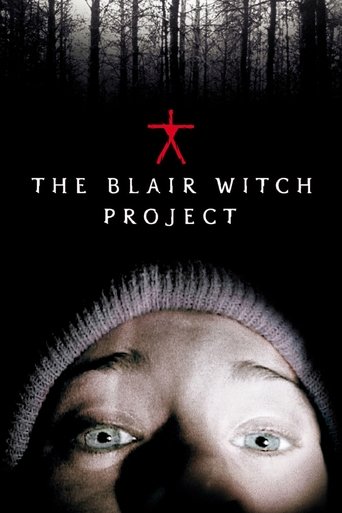
The Blair Witch Project (1999)
A neighbouring horror success from just before The Ring that also uses recorded footage as the vehicle of fear, with the opposite, handheld approach.
See its influence
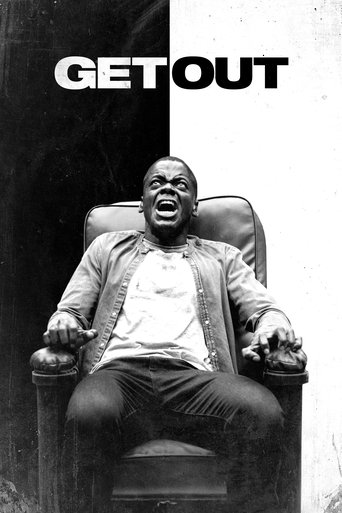
Get Out (2017)
A later horror film that shows how modern genre cinema can be formally controlled, thematically loaded and still commercially successful.


