Drama · Romance
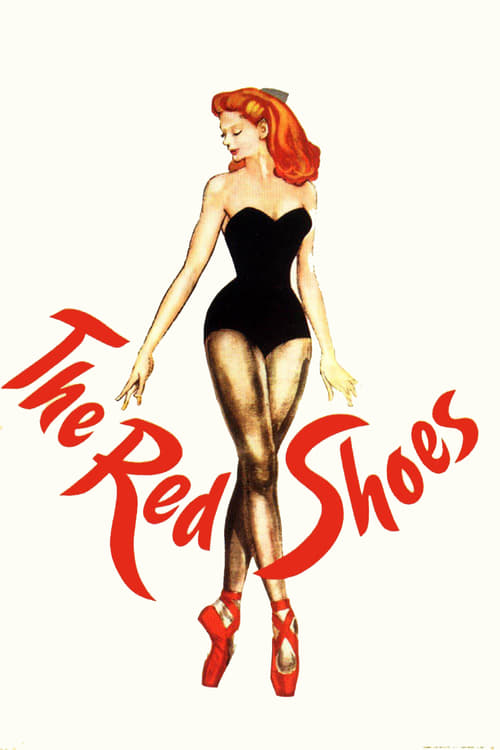
The Red Shoes
British
1948 · Directed by Michael Powell & Emeric Pressburger · 133 min


Drama · Romance
British
1948 · Directed by Michael Powell & Emeric Pressburger · 133 min




Meaning, unpacked
Central idea
The film is about the collision between art and ordinary life: whether a creator can have both, or whether devotion to a calling demands everything. It can be read as refusing to name a winner, letting both positions feel true.
What it means
A young dancer is pulled between the man she loves and the man who made her a star. Lermontov wants everything she has. Julian wants her to have a life. You know how it ends.
The film is about a collision between art, with its belief that a calling demands everything, and ordinary life, with love in it. Remarkably, it refuses to name a winner. Lermontov is cold, even cruel, yet his argument carries real force. The lovers are sympathetic, yet their way out feels like a loss. Both claims stay true, which is why the ending still unsettles. The red shoes of the fairy tale stand for a compulsion that cannot be switched off, and the film asks where inspiration ends and obsession begins.
Why it mattered
The ballet at the centre is the key. It fuses dance, painted backdrops, editing and special effects into something subjective. You are shown what the dancer feels, not what an audience in the stalls would see, until the line between performance and reality has gone. Jump cuts, superimpositions and impossible staging stretched a stage form with the grammar of film.
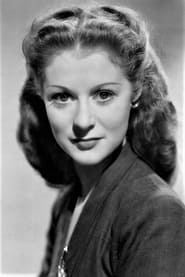
Much of that came from planning. Powell had Brian Easdale's score prepared before filming, so the choreography, cutting and effects could be built to the music, reflecting his belief that film could aspire to the condition of music. Jack Cardiff used Technicolor like a painter, with reds carrying meaning throughout, and Hein Heckroth designed both scenery and costumes so the stage world feels of one piece. Real dancers, among them Moira Shearer, Léonide Massine and Robert Helpmann, gave the dance authority.
Before anyone tells you what to think: what did you make of it?
Log in to rate it and leave commentsIt takes one click with Google or an email link. You come straight back here.
Rate it, keep your notes, and find the next film.
Free, no ads. Your journal, your lists, a Cine Guide that remembers you.
Create your free spaceIt shaped the film musical, the dance film and the artist-in-torment drama, from the ballet finale of An American in Paris to Black Swan and Whiplash. It also shaped how people picture the ballet world, as a place of devotion and sacrifice, and many dancers say it drew them to dance. Matthew Bourne adapted it for the stage in 2016, and Kate Bush borrowed its title for an album.
Its reputation has grown steadily. It won two Oscars, for colour art direction and for scoring, and was also nominated for Best Picture. Martin Scorsese has cited it as a personal touchstone, and his Film Foundation supported a restoration that renewed its visual impact. Today it is counted among the greatest British films and the finest uses of Technicolor.
What happens
Torn between Julian and the ballet, Vicky throws herself from a balcony onto the railway and dies. It reveals that Lermontov's demand and Julian's love could never both be satisfied.
The last image
Julian walks behind Vicky's empty shoes as a spotlight moves across the stage where she should be dancing.
What it says
The film refuses to name a winner between art and love. Lermontov's argument and the lovers' claim both stay true, and like the fairy tale's shoes, Vicky's compulsion cannot be switched off. The unresolved spotlight leaves the question with you.
Or follow an idea from this film
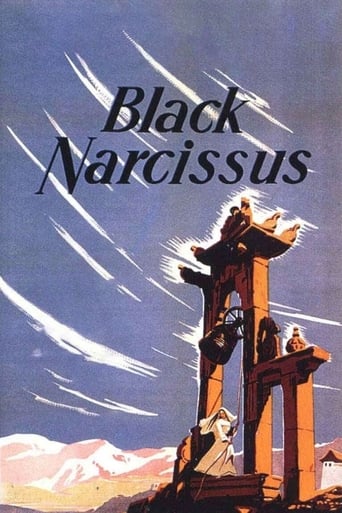

Continue the director
Black Narcissus (1947)
The preceding Powell and Pressburger film shows the same Technicolor ambition, with Jack Cardiff's photography in a very different, claustrophobic setting.
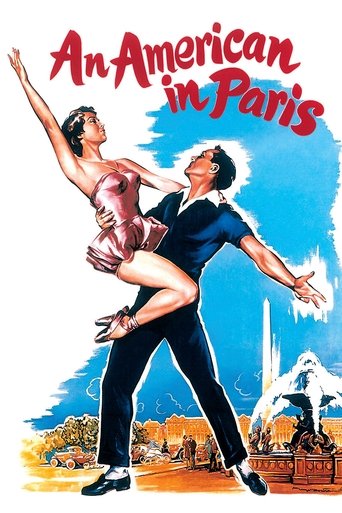
See its influence
An American in Paris (1951)
Hollywood's musical answer to The Red Shoes closes with a long ballet sequence in which design and colour carry the emotion.
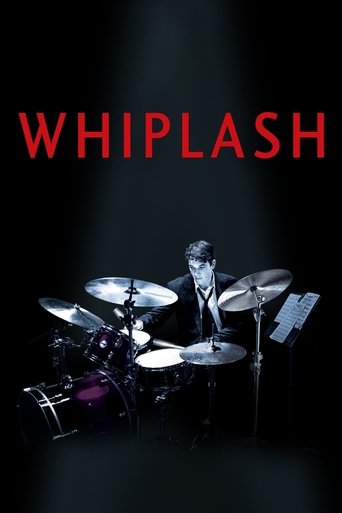
Follow the idea
Whiplash (2014)
Another story of a young artist and a demanding mentor, asking again how far devotion to craft should go.
Jump forward
All That Jazz (1980)
Fosse's autobiographical dance film pursues the theme of art as consuming obsession in a darker, more modern register.
Explore the era or movement
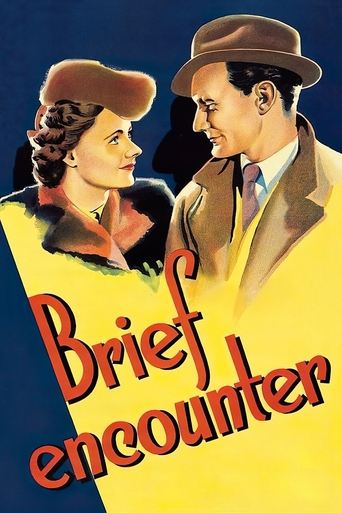
Brief Encounter (1946)
A contrasting piece of British postwar cinema, restrained and black and white, showing the opposite pole to The Red Shoes' extravagance.