Mystery · Drama · Thriller · Comedy · Crime
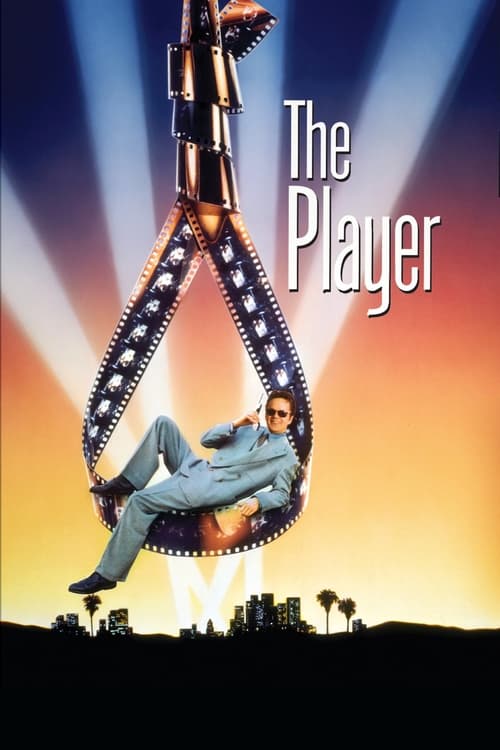
The Player
American
1992 · Directed by Robert Altman · 124 min


Mystery · Drama · Thriller · Comedy · Crime
American
1992 · Directed by Robert Altman · 124 min









Meaning, unpacked
Central idea
The film examines an industry that turns everything, including fear, guilt and even justice, into material for a pitch. It can be read as a portrait of a system that rewards charm and a happy ending over truth.
What it means
Griffin Mill is a smooth, anxious studio executive. He kills a writer, gets away with it, and is rewarded at the end. But the film is really about something else: an industry that turns everything into material for a pitch. Fear, guilt, even justice become material. Hollywood, as Altman paints it, rewards charm and a happy ending over the truth.
The grievance underneath is simple. Writers create everything, yet they are treated as disposable, while the executive's job is mostly to say no politely. Griffin's power is thin, too: a younger rival or a single rumour can threaten him. The sharpest question is whether a charming, successful man can escape accountability, and whether the system around him even has a way of demanding it.
Why it mattered
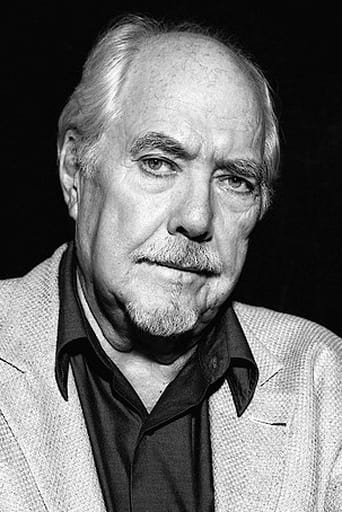
In 1992 this was Altman's return to form. He had been a leading figure of 1970s American film but found studios difficult in the 1980s, so here he worked inside the industry that had sidelined him. The satire feels a little like settling a score.
The thriller is only a frame. Altman and cinematographer Jean Lépine used drifting shots and zooms that seem to eavesdrop, and the sound is layered so you must choose what to listen to. The opening take lets characters mention famous long takes, so the film shows its awareness of cinema history. Noir and thriller habits are borrowed, then undercut by satire and anticlimax. The investigation becomes a performance, where charm, status and good timing work as well as evidence.
Before anyone tells you what to think: what did you make of it?
Log in to rate it and leave commentsIt takes one click with Google or an email link. You come straight back here.
Rate it, keep your notes, and find the next film.
Free, no ads. Your journal, your lists, a Cine Guide that remembers you.
Create your free spaceCritics welcomed it as Altman's comeback, praising its wit, the opening shot and Tim Robbins. At Cannes in 1992, Altman won Best Director and Robbins won Best Actor. It earned three Oscar nominations and won none, and it was a modest commercial success for an adult satire. It helped make insider satire of Hollywood a viable genre, from Get Shorty to Birdman, and gave Altman momentum for Short Cuts and Gosford Park. The opening shot is still used in film teaching.
Today it counts among the best films about Hollywood. Its cynicism looks less shocking and more prophetic as franchises, packaging and brand-driven filmmaking have grown. The tidy happy ending for a killer is still cited as a comment on the industry. Perhaps that is the real sting: the ending feels wrong, and yet it is exactly the one we have been trained to expect.
What happens
Griffin walks away clean. The police case collapses, he is promoted to run the studio and marries June. Then the real postcard writer calls and pitches this very story, and Griffin agrees to make it.
The last image
Griffin, now secure at the top, listens on the phone to the pitch of his own story and says yes.
What it says
The ending is the one the film has trained you to expect: the killer wins and the story is packaged. By having Griffin buy his own crime as a pitch, Altman shows a system that rewards charm and never demands accountability.
Or follow an idea from this film
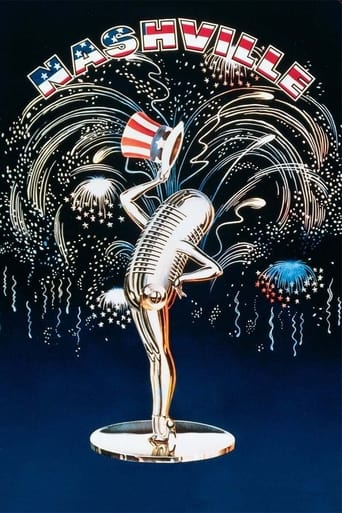

Continue the director
Nashville (1975)
Altman at his 1970s peak, with the same overlapping voices and drifting camera applied to a sprawling ensemble portrait of American culture.
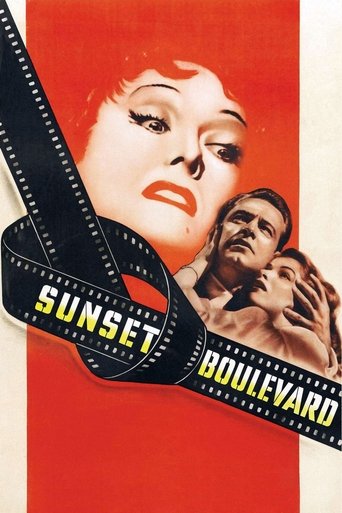
See what influenced it
Sunset Boulevard (1950)
The key earlier film about Hollywood eating its own, and a useful contrast between noir bitterness and Altman's cooler comedy.
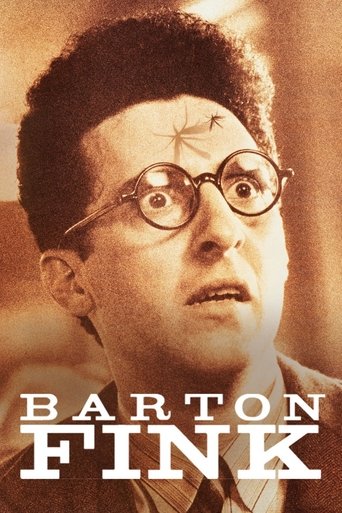
Compare another approach
Barton Fink (1991)
Released a year earlier, it also depicts a writer facing Hollywood's machinery, but with surreal dread rather than cool satire.
Follow the idea
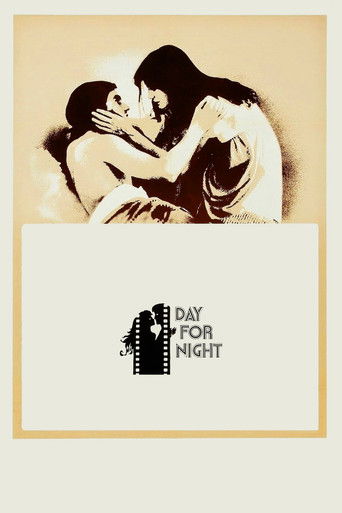
Day for Night (1973)
A warm, affectionate film about the filmmaking process, which makes a good counterpoint to The Player's cynical view of the business.
Jump forward
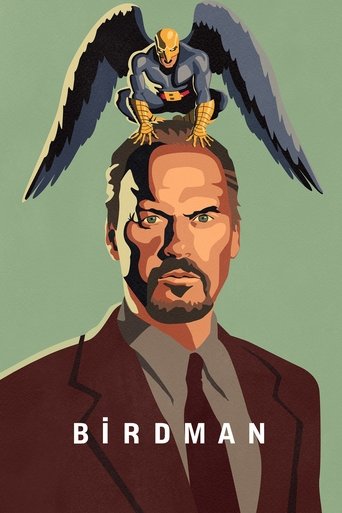
Birdman or (The Unexpected Virtue of Ignorance) (2014)
A later showbiz satire built on long, fluid takes, showing how Altman's questions about art, ego and commerce continue.