Drama · Romance
The Piano
Australian
1993 · Directed by Jane Campion · 120 min


Drama · Romance
Australian
1993 · Directed by Jane Campion · 120 min






Meaning, unpacked
Central idea
The film is about the struggle to be heard and to own oneself in a world of contracts, property and men's decisions. It can be read as showing desire and music as forms of speech, and love as something that has to be freely given rather than bought.
What it means
At heart, The Piano is about the struggle to be heard, and to own yourself, in a world of contracts, property and men's decisions. Ada's silence is not a disability. The film makes clear it is a choice she made as a child, so it is willpower, not impairment. It makes her hard to control and forces everyone around her to read her through her playing and her gaze. Michael Nyman's score is her speech, her inner life, and Holly Hunter played the piano herself, so the camera can stay on her hands and let the music speak.
The second big idea is ownership. Marriage, land and the piano can all be bought, traded or claimed, and the film keeps asking what can't be possessed. The lessons turn teacher and student, buyer and seller, inside out, and the erotic scenes are always about who sets the terms. Love, the film suggests, has to be freely given. The ending at sea is a gothic fable about survival, not simple romance. Notice how rarely anyone speaks for Ada. She decides when to be heard.
Why it mattered
In 1993 The Piano showed that a costume drama told from a woman's point of view, interior and frank about desire, could reach a wide audience and the highest awards. It shared the Palme d'Or at Cannes with Farewell My Concubine, and Jane Campion became the first woman to win that prize. Holly Hunter also took Best Actress at Cannes.
Before anyone tells you what to think: what did you make of it?
Log in to rate it and leave commentsIt takes one click with Google or an email link. You come straight back here.
Rate it, keep your notes, and find the next film.
Free, no ads. Your journal, your lists, a Cine Guide that remembers you.
Create your free spaceIts method was new too. The heroine's silence is not a gap in the film but its way of working. Music, touch, gesture and landscape carry what other romances put into speech. Campion tells it almost like a folk tale, with Ada's voiceover from inside her mind, so psychology and imagery carry the weight. Close shots on skin and fabric, and Stuart Dryburgh's blue-green light on wet bush and mud, make the physical world and the emotion impossible to pull apart.
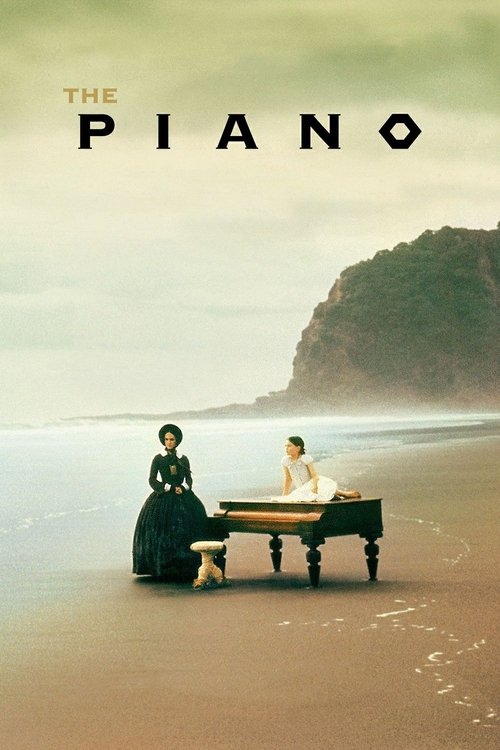
The film helped open the way for women-directed period dramas with an overt female gaze, such as Portrait of a Lady on Fire, and made Campion a model for auteur filmmaking from outside Hollywood. Nyman's themes, especially The Heart Asks Pleasure First, are played by amateur and student pianists everywhere. It is a staple of university courses on the female gaze and gothic romance, and the image of a piano stranded on a wild beach became shorthand for the film.
It was a critical and commercial success, with eight Oscar nominations and three wins: Hunter, Anna Paquin and Campion for Original Screenplay. Today it remains Campion's most celebrated film and a landmark of 1990s women-directed cinema. It is still valued for its originality and sensory power, though later discussion has been more critical of its colonial perspective and its use of Maori characters.
What happens
Stewart lets Ada leave with Baines and Flora. At sea she has the piano thrown overboard, lets the rope drag her down with it, then frees herself and rises. In Nelson she plays, teaches, and starts to speak.
The last image
Ada imagines the piano resting at the bottom of the sea, and herself floating above it.
Two readings
What it says
Ada finally decides for herself, after being bought, traded and claimed. She keeps her music but lets go of the piano that bound her. The film ends on survival and self-determination, not simple romance.
Or follow an idea from this film

Continue the director
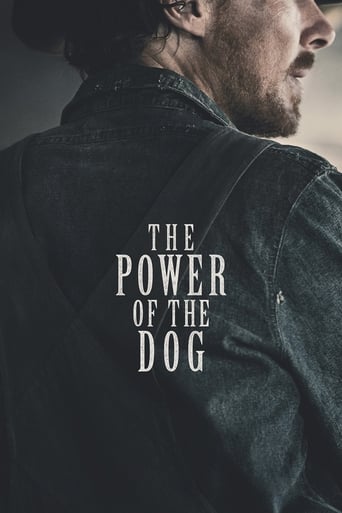
The Power of the Dog (2021)
Campion's later western is another study of landscape, hidden desire and power, with a very different but related tone.
See its influence
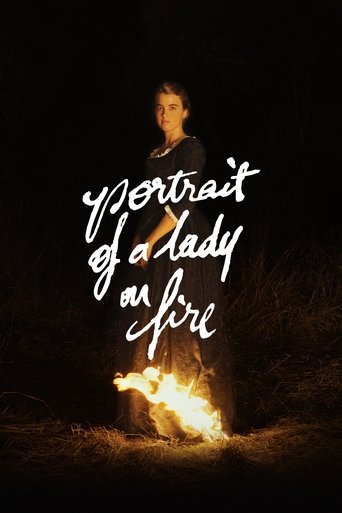
Portrait of a Lady on Fire (2019)
A later period romance that shares the focus on looking, art and women's inner lives, made with a clear female gaze.
Compare another approach
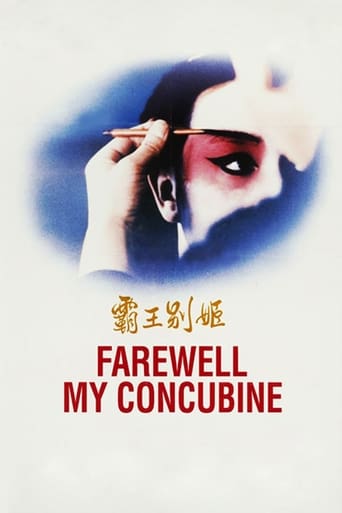
Farewell My Concubine (1993)
The co-winner of the 1993 Palme d'Or. Comparing the two shows how different the Cannes taste of that year was.
Compare another approach
Breaking the Waves (1996)
A woman's sexual and spiritual devotion in an isolated community, with a very different, more harrowing tone and approach.
Follow the idea
Days of Heaven (1978)
A landscape-driven period drama in which light, nature and voiceover tell a story of desire and possession.