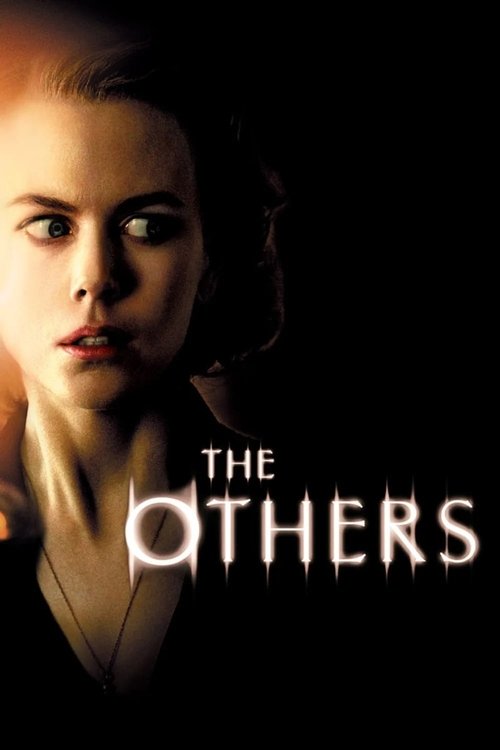
Horror · Mystery · Thriller
The Others
American
2001 · Directed by Alejandro Amenábar · 101 min


Horror · Mystery · Thriller
American
2001 · Directed by Alejandro Amenábar · 101 min








Meaning, unpacked
Central idea
The film is about a mind that builds rules and certainties to hold off unbearable truths. It can be read as a ghost story about grief, guilt and denial, where the haunting is as much emotional as supernatural.
What it means
Grace waits for a husband who has not come home, in a house she has sealed against the world. By the end, you know who has really been haunting whom. That reversal is the famous trick, but the trick is not the point.
The point is a mind that builds rules to hold off a truth it cannot bear. Every door closed before the next is opened, keys counted, curtains drawn: these are ways of refusing to face what has already happened. Her severe faith protects the household and confines it. Underneath it all is motherhood, and the question of where protection turns into possession. It also turns the haunted-house question around: who is intruding on whom? The answer depends on where you stand.
Why it mattered
In 2001, when horror leaned on irony and shock, this film showed that restraint and atmosphere could carry a ghost story to a wide audience. Alejandro Amenábar, in his late twenties, wrote, directed and scored it himself, working in English with Nicole Kidman. It was shot in Spain, though the story is set on Jersey in 1945, just after German occupation. That wartime backdrop explains the household's isolation and gives Grace's waiting real weight.
The film also turned a problem into a style. If sunlight is dangerous, you cannot light a film the usual way, so cinematographer Javier Aguirresarobe used candles and lamps and left much of the frame dark, yet kept the compositions clear. Whispers, footsteps and piano notes sit at the edge of hearing, so you listen as anxiously as Grace does. And by staying tightly with her and withholding only what she does not know, the film earns its surprises and plays fair on a second viewing.
Before anyone tells you what to think: what did you make of it?
Log in to rate it and leave commentsIt takes one click with Google or an email link. You come straight back here.
Rate it, keep your notes, and find the next film.
Free, no ads. Your journal, your lists, a Cine Guide that remembers you.
Create your free spaceThe film opened to strong reviews and large audiences. It became a major international success, especially in Spain, where it won eight Goya Awards, including Best Film and Best Director. Critics praised Kidman and the film's restraint and old-fashioned craft. It drew on the English Gothic tradition, especially Henry James's The Turn of the Screw and the 1961 film The Innocents, and it helped revive the elegant period ghost film. You can feel its mood in Spanish and Latin American films like The Orphanage (2007), and in later haunted-house films that rely on atmosphere over spectacle.
Its restraint looked unfashionable in 2001. Today it reads as a strength, and The Others is regarded as one of the most polished ghost films of its decade. Its ending is often held up as a reveal built from character rather than trickery, and it is often named beside The Sixth Sense when people talk about twist endings. Kidman's tightly wound, porcelain-pale Grace is often described as one of her defining performances.
What happens
The séance reveals that Grace, Anne and Nicholas are the ghosts. Grace smothered her children and killed herself. The "intruders" are the living Marlish family, who flee the house, while Grace slowly accepts that her family will stay.
The last image
From outside, we see the Marlishes' car drive away, leaving the fog-bound house to its dead, who remain inside together.
What it says
Grace's rules, locked doors and waiting were a way of refusing a truth she could not bear. The ending turns the haunted-house question around: who is intruding on whom depends on where you stand. Her acceptance is grief finally faced, and so is peace.
Or follow an idea from this film
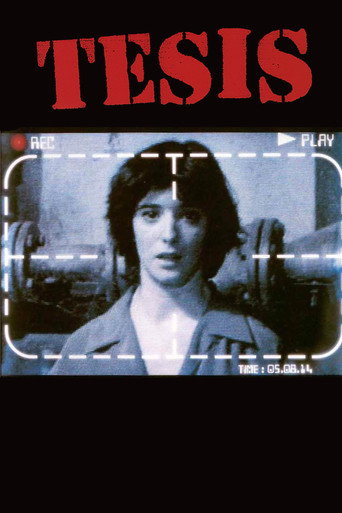

Continue the director
Thesis (1996)
Amenábar's debut is a tense Spanish thriller about a student and a snuff film, showing his early command of suspense and the same careful use of sound.
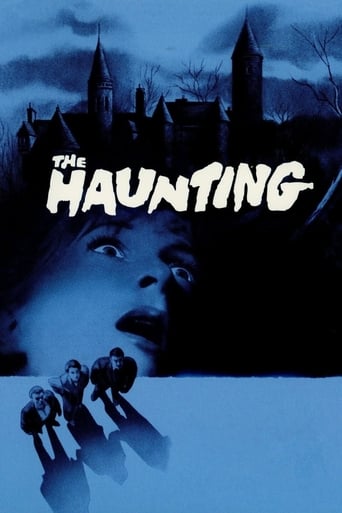
See what influenced it
The Haunting (1963)
The classic haunted-house film that The Others echoes in its reliance on suggestion, sound and a house that feels alive.
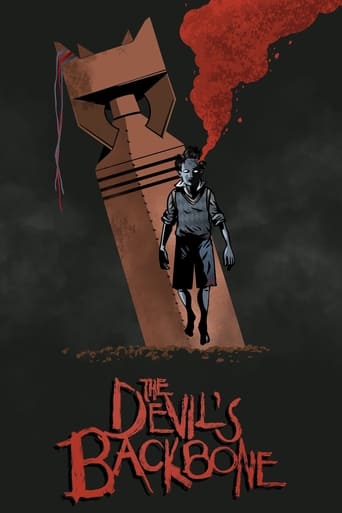
Explore the era or movement
The Devil's Backbone (2001)
Released the same year, Guillermo del Toro's Spanish Civil War ghost story shares the focus on children, a closed building and the dead as emotional presences.
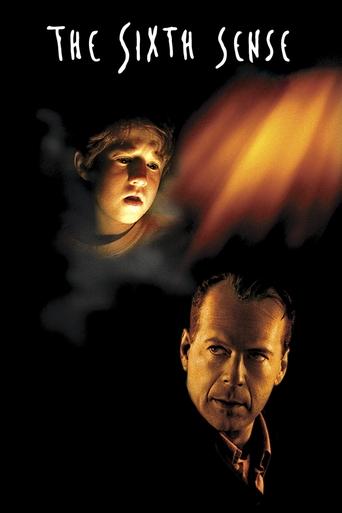
Compare another approach
The Sixth Sense (1999)
Another ghost story built on a character's limited perspective. Comparing the two shows how differently they use that idea.
Jump forward
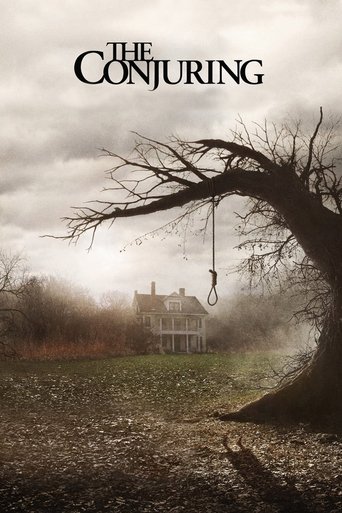
The Conjuring (2013)
A modern, commercial haunted-house film that brings back period detail and slow tension, showing how the Gothic mode continued.