Drama · History
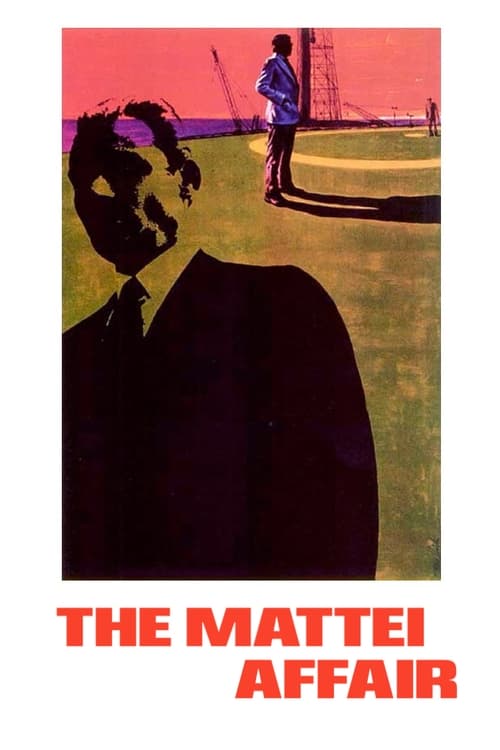
The Mattei Affair
Italian (Il caso Mattei)
1972 · Directed by Francesco Rosi · 116 min


Drama · History
Italian (Il caso Mattei)
1972 · Directed by Francesco Rosi · 116 min
Meaning, unpacked
Central idea
The film is a study of how one man's drive to give Italy economic independence collided with entrenched international and domestic interests. It can be read as an argument about how power operates out of sight and about the difficulty of establishing the truth afterwards.
What it means
The Mattei Affair begins with an ending: a plane crashes in 1962, an inquiry opens, and Francesco Rosi then moves back and forth through the life of Enrico Mattei, the founder of ENI. At its heart is a collision between one man's drive to give Italy economic independence and the entrenched international and domestic interests that did not want it. It is also about how power works out of sight, and how hard it is to establish the truth afterwards.
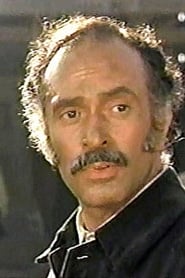
Because we start from the aftermath, the film becomes an act of reconstruction. Every deal Mattei makes turns into evidence, and you end up working like an investigator. Yet Rosi never lets you simply admire him. Gian Maria Volonté gives you a visionary and also a political operator who bargains, buys influence and bends rules. The film does not name the killers. It offers evidence, contradictions and motives, and leaves the judging to you.
Why it mattered
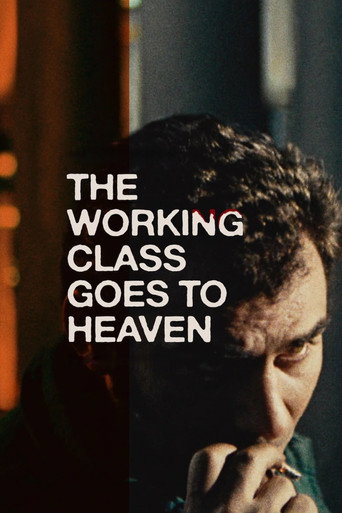
In 1972 the film shared the Palme d'Or at Cannes with Elio Petri's The Working Class Goes to Heaven, and Volonté starred in both. It was a major event in Italy, praised for its seriousness and discipline, and it stirred political debate. Some critics found it demanding and heavy with information, but it consolidated Rosi's international reputation.
What was distinctive was the method. Rosi worked like a journalist, building the film from press coverage, court material and testimony, as he had on Salvatore Giuliano. He rearranged chronology to show how causes lead to consequences, and trusted the audience with technical detail and several points of view. Even the final flight is calm: Rosi lets the questions carry the weight, not spectacle. It showed that a feature could argue like journalism.
Before anyone tells you what to think: what did you make of it?
Log in to rate it and leave commentsIt takes one click with Google or an email link. You come straight back here.
Rate it, keep your notes, and find the next film.
Free, no ads. Your journal, your lists, a Cine Guide that remembers you.
Create your free spaceThe film helped shape the investigative political drama, a form later used by filmmakers such as Costa-Gavras and by many Italian and international films about corruption and state power. Its mix of reconstruction and documentary technique is still a model for fact-based filmmaking. In Italy, it fixed the image of Mattei as a maverick who defied the oil majors and perhaps died for it. Recent government talk of a Mattei Plan for Africa draws on that legend.
Its reputation has grown. The crash was officially treated as an accident for decades, but a later judicial inquiry in Pavia concluded the plane had been sabotaged, and a prosecutor's findings eventually pointed to a bomb. That gave the film's doubts new weight. Today it is seen as one of the strongest examples of political cinema in Italy and a high point of Rosi's career. Its lasting gift is its refusal of a tidy answer: it asks who gains from each official story, and that question outlives any single crash.
What happens
After retracing Mattei's life, the film ends with his final flight north from Sicily, back at the crash it opened with. It names no culprit. It shows the contradictions in the official account and leaves the verdict to you.
The last image
The film closes on the final flight and the crash that began it, with no verdict or culprit given.
Two readings
What it says
Ending where it began turns the film into a reconstruction, and you finish as an investigator. Refusing a verdict makes the real question who gains from each official story, which no single crash can settle.
Or follow an idea from this film


Continue the director
Salvatore Giuliano (1962)
Rosi's breakthrough applies a similar investigative structure to the killing of a Sicilian bandit. It shows where his method began.
Explore the era or movement
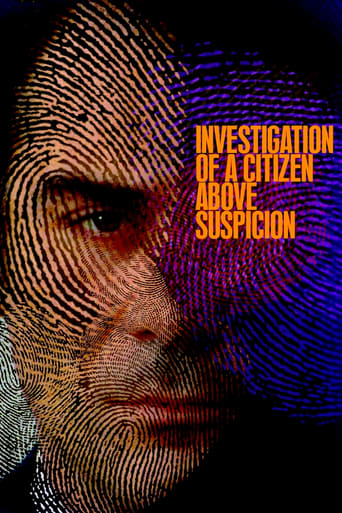
Investigation of a Citizen Above Suspicion (1970)
Another Volonté-led Italian film from the same political moment, a satirical thriller about police power and impunity.
Compare another approach
The Working Class Goes to Heaven (1972)
The other Palme d'Or winner of 1972, also starring Volonté, takes on factory labour. It shows a different side of Italian political cinema.

See its influence
Missing (1982)
A later political drama about a disappearance and institutional denial, built on evidence and moral pressure.
Follow the idea
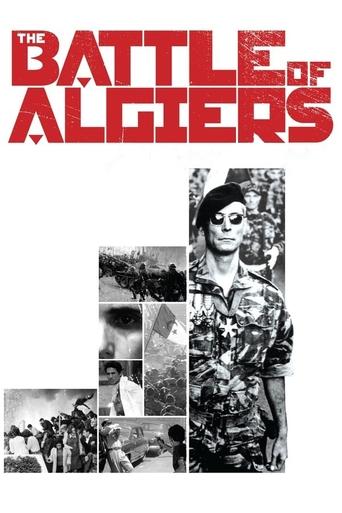
The Battle of Algiers (1966)
Pontecorvo's reconstruction shows how a fiction film can take on the texture of documentary to examine political power.