Drama
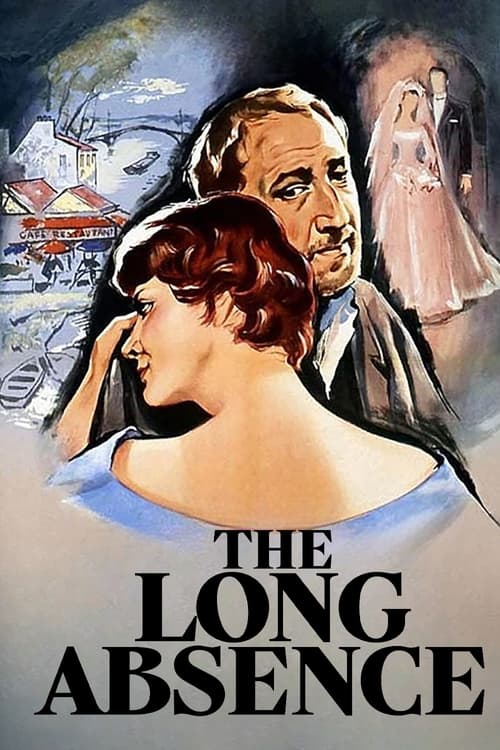
The Long Absence
French (Une aussi longue absence)
1961 · Directed by Henri Colpi · 98 min


Drama
French (Une aussi longue absence)
1961 · Directed by Henri Colpi · 98 min
Meaning, unpacked
Central idea
The film explores how memory, hope and love can survive long after the facts have gone. It can be read as a story about a woman and a country that both need to recognise something lost, and about what recognition costs.
What it means
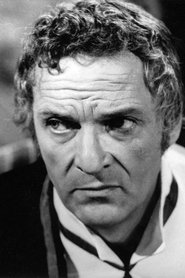
A café owner, Thérèse, sees a tramp walk past and believes he is her husband, deported in the war. He seems to have lost his memory, and she spends the film trying to find out whether she is right.
The film keeps one question open: is she seeing evidence, or what she needs to see? Henri Colpi never settles it. Recognition is part proof and part desire, and both stay alive to the end. Thérèse has lived sixteen years in suspended time, and grief has become a daily habit, folded into opening the café and serving customers. The tramp's amnesia echoes a wider reluctance to remember after the war, so a private loss stands for a collective wound. The ending refuses a neat reunion. Sometimes the person you are waiting for is not what returns. What returns is the waiting itself, and the question of whether you are ready to stop.
Why it mattered
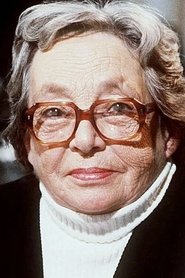
This was Henri Colpi's first feature as director. He had worked as an editor, including on Hiroshima mon amour, and you can feel it in the measured rhythm and the careful cuts. Marguerite Duras and Gérard Jarlot wrote the script, using repetition, pauses and indirect speech. The dialogue hints at the past without explaining it. The key moments work through behaviour: a glance, a careful inquiry, a dinner and a dance.
At Cannes in 1961 it shared the Palme d'Or with Luis Buñuel's Viridiana, a surprising pairing of a quiet French drama and a provocative Spanish satire. It also won the Prix Louis Delluc. It showed that the Left Bank, Hiroshima mon amour way of treating memory could carry a human story with a star performance, and it reached a wider audience than most New Wave films.
Before anyone tells you what to think: what did you make of it?
Log in to rate it and leave commentsIt takes one click with Google or an email link. You come straight back here.
Rate it, keep your notes, and find the next film.
Free, no ads. Your journal, your lists, a Cine Guide that remembers you.
Create your free spaceLater European films about trauma, amnesia and the post-war past, along with Colpi's own later work, drew on its restraint. Its song has lived on too: Trois petites notes de musique, which Georges Delerue wrote for the café scenes and Cora Vaucaire sang, became a French chanson standard, often heard apart from the film. The film is also often cited when people discuss how postwar France dealt with absence and loss, and it is studied alongside Duras's work.
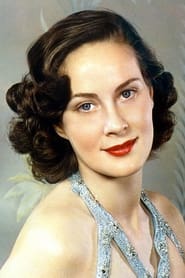
In 1961 critics singled out Alida Valli and Delerue, though some found the pace slow and the style too literary. Today it is less famous than Hiroshima mon amour or the big New Wave titles. It is seen as a quiet, humane treatment of post-war memory, valued for its restraint, and viewers drawn to Left Bank cinema keep rediscovering it.
What happens
The tramp's pain finally surfaces: a gesture, a flicker of recognition and the memory of the arrest frighten him, and he runs away. Thérèse is left without answers, still unsure he was Albert, as the town returns to its routines.
The last image
Thérèse is left alone with her unsettled loss while the town goes back to its ordinary routines.
Three readings
What it says
The ending refuses a reunion because the film is about waiting, not return. Thérèse's private loss stands for a wider post-war wound, and recognition costs more than it gives: what remains is the question of whether she is ready to stop waiting.
Or follow an idea from this film

Follow the idea
Hiroshima Mon Amour (1959)
The closest companion: Duras's script, Resnais's direction and Colpi's editing explore memory, loss and war more radically.
Explore the era or movement
Cléo from 5 to 7 (1962)
Another Left Bank film of Paris streets, time and a woman's inner life, with a more playful, formal style.
See what influenced it
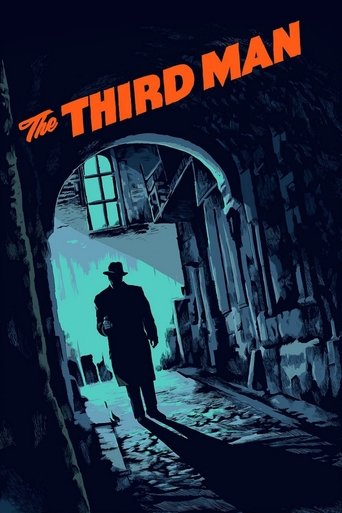
The Third Man (1949)
Alida Valli's most famous role, in a very different film about a mysterious man and a woman who cannot let go.
Compare another approach
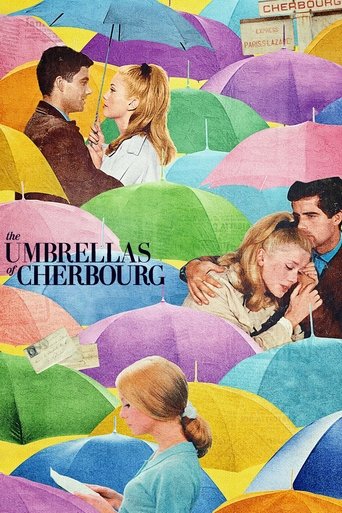
The Umbrellas of Cherbourg (1964)
A very different French film in tone and form, but it also deals with separation, the passing of time and a changed love.