Drama · Thriller · War
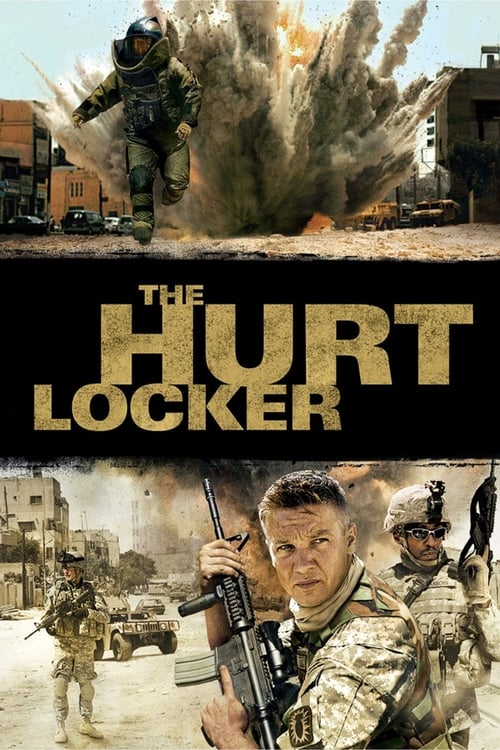
The Hurt Locker
American
2009 · Directed by Kathryn Bigelow · 131 min


Drama · Thriller · War
American
2009 · Directed by Kathryn Bigelow · 131 min












Meaning, unpacked
Central idea
The film can be read as an exploration of war as an experience and a compulsion rather than a political argument: how danger can sharpen a person's sense of purpose, and what is left once that adrenaline is the only thing that feels real.
What it means
A bomb disposal team in Iraq gets a new leader whose style frightens his own men. By the end he is home, lost in a supermarket, and then back on another tour. That's all the story you need. The film's real interest lies elsewhere.
It opens with a line from the journalist Chris Hedges: the rush of battle can be a potent and often lethal addiction. The whole film tests that claim through one man's behaviour. It asks how danger can sharpen a person's sense of purpose, and what is left when adrenaline is the only thing that feels real. It gives no verdict on the war. Kathryn Bigelow and Mark Boal avoided taking a side, so you weigh the human cost yourself. The supermarket cereal aisle sets a soldier's skills against endless, trivial choices, and it is the film's central question in one image.
Why it mattered
In its time, the film made the Iraq War felt through one repeated, physical task: defusing a bomb. Barry Ackroyd shot with several handheld cameras and long lenses, giving a reporter's immediacy, and the frame never fully settles. The editing stretches anticipation, then breaks it with abrupt cuts, and the sound turns breathing and sudden silence into suspense. It also removes a character you expected to carry the story, so nobody is protected by billing.
It arrived when many audiences were unwilling to watch Iraq War films, and it cost roughly eleven million dollars. Yet it won six Academy Awards from nine nominations, including Best Picture over Avatar. Bigelow became the first woman to win Best Director, beating her former husband, James Cameron.
Before anyone tells you what to think: what did you make of it?
Log in to rate it and leave commentsIt takes one click with Google or an email link. You come straight back here.
Rate it, keep your notes, and find the next film.
Free, no ads. Your journal, your lists, a Cine Guide that remembers you.
Create your free spaceIts handheld, close-quarters style shaped later war and thriller filmmaking. It confirmed Bigelow's place in serious, large-scale work, which she continued with Zero Dark Thirty and Detroit. Its Oscar success changed expectations about who could win top directing honours. It also lifted Jeremy Renner and Anthony Mackie, who both went on to prominent franchise roles, and it carried the phrase "hurt locker" from military slang into everyday speech.
Today it stands as a reference point for tense, grounded combat cinema. Its reputation rests on craft and restraint. Debate continues over how little it explains, and over Iraqis who appear mainly as bystanders or threats. Some veterans and bomb disposal specialists also criticised its procedures, since the film chooses tension over accuracy.
What happens
James finishes his rotation and goes home to his wife and baby son, but ordinary life leaves him lost and restless. He signs up again, and the film ends with him back in Iraq, walking toward another bomb.
The last image
James, suited in bomb gear, walks alone down a Baghdad street toward another device as a new rotation begins.
What it says
The ending answers the film's opening claim that the rush of battle can be an addiction. At home James finds nothing as real as danger, so he returns. The film gives no verdict on the war, only the cost to him.
Or follow an idea from this film

Compare another approach
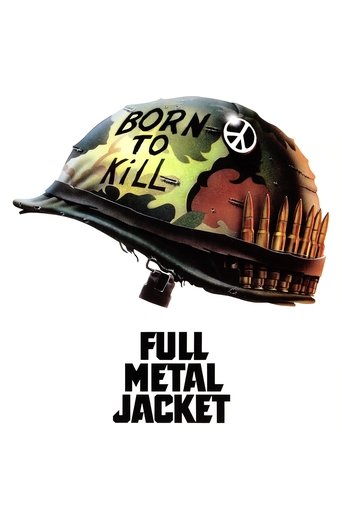
Full Metal Jacket (1987)
Another Vietnam-era study of how soldiers are shaped by war, but with a colder, more stylised and ironic approach than Bigelow's immediate, physical one.

Follow the idea
The Wages of Fear (1953)
A classic of tension from dangerous work, with drivers carrying explosives over rough roads. It shows where this film's suspense of procedure comes from.
See what influenced it
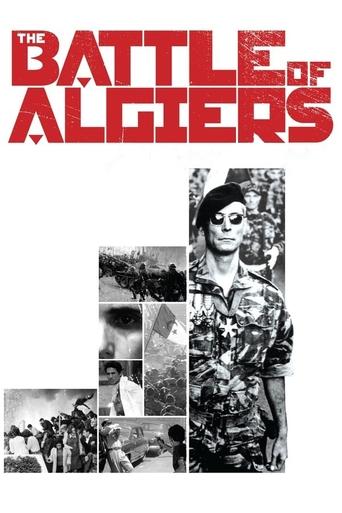
The Battle of Algiers (1966)
Its street-level, documentary-style realism and sense of unseen threat in an occupied city are clear ancestors of the look and mood of this film.
Compare another approach
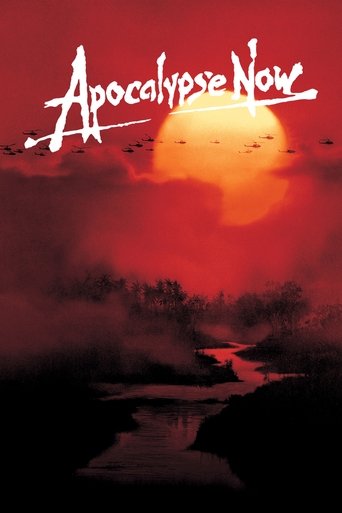
Apocalypse Now (1979)
A hallucinatory, mythic portrait of war that contrasts with the minimal, procedural approach here and also asks what war does to a person's character.
Jump forward
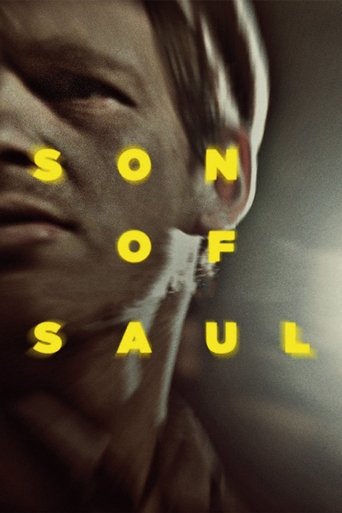
Son of Saul (2015)
A later film that uses tight framing and sound to restrict what the viewer can see, drawing on a similar commitment to subjective immersion.