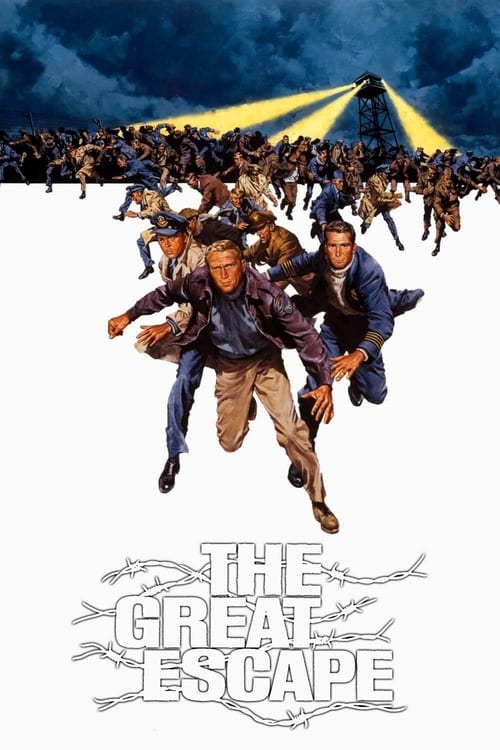
Adventure · Drama · War
The Great Escape
American
1963 · Directed by John Sturges · 173 min


Adventure · Drama · War
American
1963 · Directed by John Sturges · 173 min








Meaning, unpacked
Central idea
The film can be read as a study of collective morale: the escape matters partly as a practical aim and partly as the way free men keep their dignity, humour and purpose inside a system built to break them.
What it means
The Great Escape is a film about work, and about morale. Allied prisoners in a German camp dig a tunnel, forge papers and slip out into Europe, and not all of them get home. The plot is simple. What matters is what the film does with it.
Its central idea is collective morale. The escape is a practical aim, but it is also how free men keep their dignity, humour and purpose inside a system built to break them. Much of the film is dull, specific labour: forging, digging, tailoring, keeping watch. So defiance here is organisation, not only courage. Humour is part of that discipline, and the film keeps asking how much freedom a man must give up to help others. Hilts wants to act alone, Bartlett puts everything beneath the plan, and neither is simply right. The Germans are shown as efficient and sometimes decent, while the Gestapo and the regime behind them are clearly set apart and far more brutal.
Why it mattered
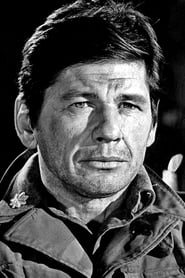
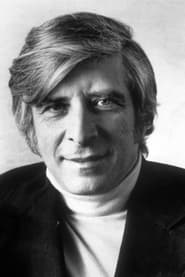
Director John Sturges, fresh from The Magnificent Seven, reunited Charles Bronson, James Coburn and composer Elmer Bernstein. His great skill is making a very large cast easy to follow. Each main figure gets a clear job, a trait and a signature bit of business, so each can pay off later. The widescreen frame holds men, huts and wire in one shot, so the camp feels like a community as well as a prison.
The film has no mystery to solve. Its suspense comes from process: a tunnel that comes out short is a small problem, yet it turns preparation into tension. Bernstein's jaunty march signals morale rather than military pomp. It also moved the prisoner-of-war story toward star-driven ensemble adventure, and confirmed Steve McQueen as a leading star. It follows the March 1944 breakout from Stalag Luft III, as told by Paul Brickhill, a former prisoner, though several characters are composites and Hilts is fictional.
Before anyone tells you what to think: what did you make of it?
Log in to rate it and leave commentsIt takes one click with Google or an email link. You come straight back here.
Rate it, keep your notes, and find the next film.
Free, no ads. Your journal, your lists, a Cine Guide that remembers you.
Create your free spaceThe film was a major commercial success. Audiences loved its scale, humour and cast, though some reviewers found it overlong, or too cheerful for its subject. It earned one Academy Award nomination, for film editing, and no wins. It then shaped the mission-and-specialists story seen in later war films, heist films and prison-escape films. Chicken Run, from 2000, is a loving send-up.
Its afterlife is remarkable. The England supporters' band plays Bernstein's march at football matches, so for many people it is a sporting tune first. In Britain, repeat broadcasts at Christmas and on bank holidays made it a family tradition. The Cooler King and the fence at the end of the chase became lasting images of rebellious cool, and "great escape" is now everyday shorthand for any daring getaway. It also made the real 1944 escape far better known. Today it is valued as a model of ensemble adventure, though its lightness and invented Americans are often noted.
What happens
Seventy-six men get out, but only three reach freedom. Fifty are executed on Hitler's order, Bartlett among them, and the rest are recaptured. Hilts, caught at the border wire, is returned to the cooler.
The last image
Hilts is back in his isolation cell, bouncing his baseball off the wall once more.
What it says
The film ends on a count because it won't let the adventure hide the cost. Hilts's baseball shows that his stubborn spirit survives capture, and that the plan's success and its loss are both measured in men.
Or follow an idea from this film

Continue the director
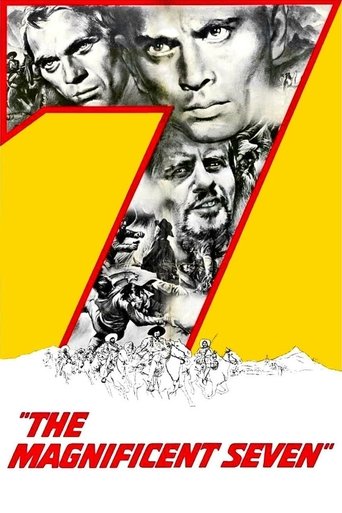
The Magnificent Seven (1960)
Sturges's earlier ensemble adventure uses the same method of assembling specialists around one task, with Bernstein's famous score and several of the same actors.

See what influenced it
Grand Illusion (1937)
Renoir's POW film shows the humane, character-based tradition this film draws on, with escape as a way of exploring dignity and class.

Follow the idea
Rififi (1955)
Jules Dassin's heist film also turns careful preparation into the main event, and its long silent robbery shows process as suspense.
Explore the era or movement
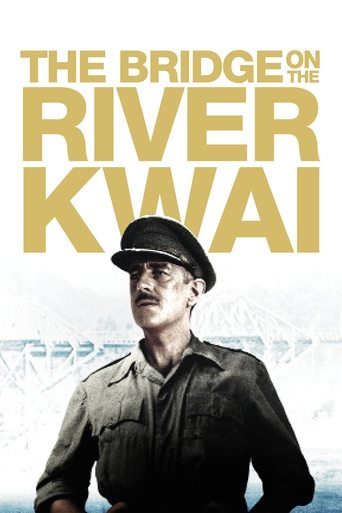
The Bridge on the River Kwai (1957)
Another big-scale, star-led war film about prisoners, which treats captivity and duty in a more tragic and ambiguous way.

Jump forward
Bullitt (1968)
McQueen's own cool, physical screen presence is on full display in a film built around a legendary action sequence.