Crime · Drama · Thriller
The Godfather Part III
American
1990 · Directed by Francis Ford Coppola · 162 min


Crime · Drama · Thriller
American
1990 · Directed by Francis Ford Coppola · 162 min





Meaning, unpacked
Central idea
The film can be read as a study of a man who cannot escape the consequences of his own past. Michael seeks absolution and respectability, but the film suggests that power gained through violence cannot be cleanly repented, and that the cost falls on those he loves.
What it means
Michael Corleone is older now. He wants respectability, and he hopes to make the family legitimate through Vatican finance. But violence pulls him back in, and the people he loves pay the price.
At heart this is a study of a man who cannot outrun his past. Michael confesses, accepts public honours and gives to charity, and the film keeps asking whether that is real repentance or just another way of keeping control. It never settles the question. Church, bank and state all turn out to be as compromised as the mob. Where the first two films asked what Michael could win, this one asks what he has lost. The confession to Cardinal Lamberto is the emotional core, quiet and almost still, because the enemy is now inside him.
Why it mattered
Coppola called the film a coda to the first two, and he and Mario Puzo wrote it quickly. It turns the gangster saga from a story of rising power into one of penitence, closing the great New Hollywood crime epic begun in 1972.
It also kept the look that defined the series. Gordon Willis shot low, amber interiors with faces half in shadow, which makes Michael's world seem to be slipping into memory. The opera finale in Palermo cross-cuts a performance with the closing of the plot, much as the first film did with its baptism. The editors, Walter Murch among them, build suspense through rhythm and withheld information, not speed alone.
Before anyone tells you what to think: what did you make of it?
Log in to rate it and leave commentsIt takes one click with Google or an email link. You come straight back here.
Rate it, keep your notes, and find the next film.
Free, no ads. Your journal, your lists, a Cine Guide that remembers you.
Create your free spaceIts picture of a crime boss facing guilt and isolation in old age became a model for later reflective gangster stories, Scorsese's The Irishman among them. Michael's line, "Just when I thought I was out, they pull me back in," is still quoted far from any gangster story. The film also helped bring theories about the Vatican bank scandal and the death of John Paul I to a wide audience, though its murder conspiracy is invented.
Reviews in 1990 were mixed. Critics praised Pacino, Andy Garcia, Willis's photography and the operatic last act, but many found the Vatican plot convoluted. It earned seven Oscar nominations, including Best Picture. Its reputation has softened since: it still ranks below the first two films, but many now see it as a flawed and moving epilogue. Coppola's 2020 recut, with a new opening and ending, strengthened the view that the original release was a compromise.
What happens
Outside the opera house in Palermo, an assassin aims at Michael but hits his daughter Mary, who dies in his arms. Years later, Michael dies alone in a Sicilian garden, having lost the family he tried to protect.
The last image
Old and alone, Michael sits in a Sicilian garden and slumps from his chair, with no one beside him.
What it says
Michael wanted respectability and forgiveness, but the film argues that power won through violence can't be cleanly repented. Mary's death is the price, and his lonely end shows what a life of power finally leaves behind.
Or follow an idea from this film

See what influenced it
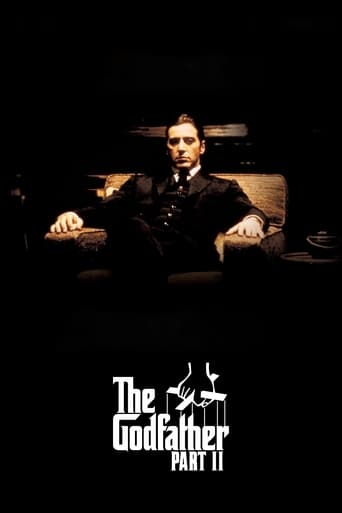
The Godfather Part II (1974)
If you have not seen it, this is the essential middle chapter. It builds the Michael whose guilt drives this film.
Continue the director
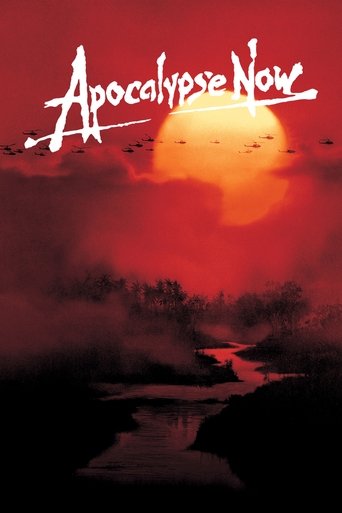
Apocalypse Now (1979)
Coppola's other great epic of moral descent, made at the height of his career and as ambitious and troubled as the Godfather films.

Compare another approach
GoodFellas (1990)
Released the same year, it shows the gangster film's other path: fast, street-level and unromantic, set against Coppola's formal tragedy.
Follow the idea
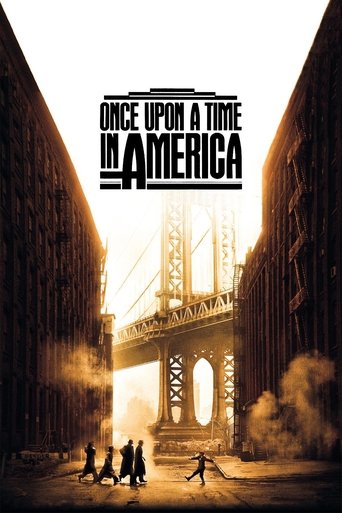
Once Upon a Time in America (1984)
Sergio Leone's long, elegiac gangster film also looks back on a criminal life with regret and loss.