Drama
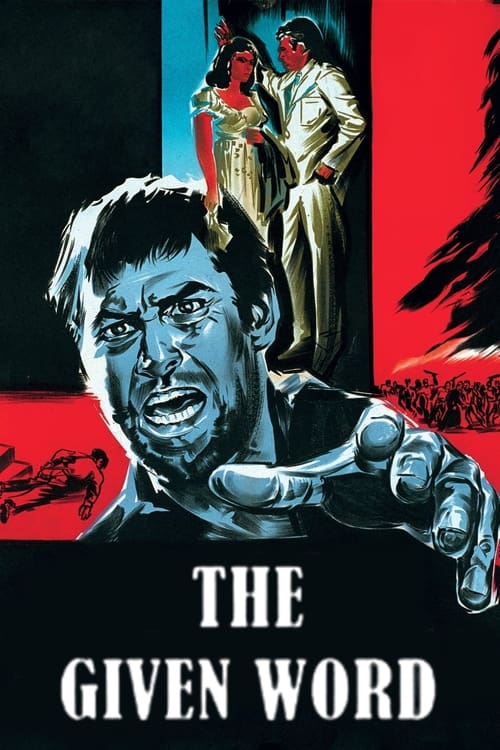
The Given Word
Brazilian (O Pagador de Promessas)
1962 · Directed by Anselmo Duarte · 98 min


Drama
Brazilian (O Pagador de Promessas)
1962 · Directed by Anselmo Duarte · 98 min






Meaning, unpacked
Central idea
The film dramatises a collision between a sincere, improvised folk faith and an institution that demands correct form. It can be read as a critique of rigidity, and of how a crowd, the press and authority turn a private vow into a public spectacle.
What it means
The Given Word starts with a simple act. Zé makes a promise to a saint and tries to keep it exactly as he made it. He carries a heavy cross to a church in Salvador, the priest bars the door, and a private vow becomes a public affair. At its heart, the film is a collision between a sincere, improvised folk faith and an institution that demands correct form.
Nobody here is a simple villain. Zé believes he has kept his word. The priest guards doctrine and propriety. That is what gives the conflict its weight. The religious detail sharpens it: Zé made his promise at a candomblé terreiro, to Iansã, whom the tradition identifies with Santa Bárbara. The film shows that overlap as ordinary life, then shows the church treating it as heresy. Add the crowd and the press, who turn a private vow into a spectacle, and the film asks what a promise is worth once everyone else gets hold of it. The title is the argument: Zé will not water his word down, whatever it costs him.
Why it mattered
In 1962 the film won the Palme d'Or at Cannes, and it remains the only Brazilian film ever to do so. It was also nominated for the Academy Award for Best Foreign Language Film. For many viewers abroad, this was the first real look at Brazilian cinema, and it was admired for its social and religious subject and for Leonardo Villar's performance.
It did this with a modest, stage-derived drama. The film adapts Dias Gomes's 1959 play, which gave it a tight structure: a journey, then a standoff in one place. Anselmo Duarte, a former actor, kept that pressure but opened the story out onto real Salvador streets, arranging his crowds like a social map. In Brazil it was celebrated as a national achievement, though Cinema Novo figures, who worked in a rawer, low-budget style, were more critical of its conventional approach.
Before anyone tells you what to think: what did you make of it?
Log in to rate it and leave commentsIt takes one click with Google or an email link. You come straight back here.
Rate it, keep your notes, and find the next film.
Free, no ads. Your journal, your lists, a Cine Guide that remembers you.
Create your free spaceThe Cannes win made Brazilian film visible to international audiences and helped open the way for later acclaim, from Cinema Novo to City of God. Its image of faith colliding with institutional power has echoed in religious dramas worldwide. At home, shot on location with the church steps and the old colonial quarter at its centre, it helped fix an image of Bahian streets, festivals and religious life in the national imagination.
Today it is still the prize-winning landmark of Brazilian cinema, often cited as a moving, accessible introduction to Bahian culture and a widely cited portrayal of Afro-Brazilian religion. Later critics are more divided on its theatricality, but its central image and moral question still hold. Dias Gomes's play also stays in the Brazilian theatrical repertoire, and both are studied in schools and universities as a story of rigid institutions and popular faith.
What happens
Zé is shot dead in a scuffle as police try to remove him from the church steps. Bystanders, including capoeira fighters, lay his body on the cross and carry it inside, completing the promise the priest refused to honour.
The last image
Ordinary people carry Zé's body, laid on the cross, through the church doors that were barred to him.
Two readings
What it says
Zé never bends his promise, so the church refuses him and the crowd, press and police turn his vow into spectacle. Only at his death do ordinary people take it back, giving the title its full weight.
Or follow an idea from this film


Compare another approach
Black Orpheus (1959)
Another Brazilian Palme d'Or winner from three years earlier, directed by a French filmmaker. It shows an outsider's romantic Brazil, a useful contrast to Duarte's more grounded view.
Follow the idea
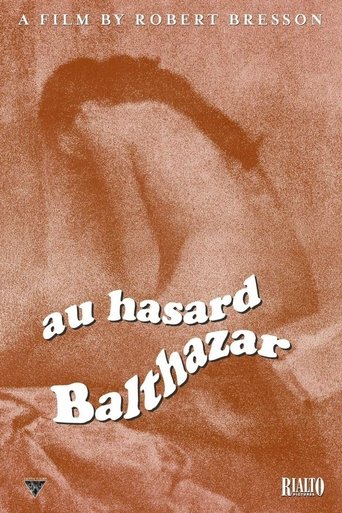
Au Hasard Balthazar (1966)
A donkey, humble faith and cruel human institutions: Bresson's austere treatment shares the film's concern with innocence and suffering.
Follow the idea
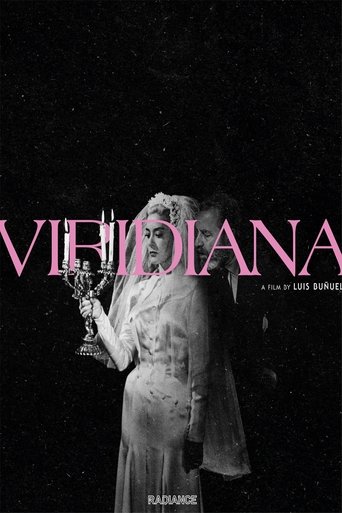
Viridiana (1961)
The Palme d'Or winner a year earlier also tests sincere Christian charity against the real world, but through Buñuel's sharper satire.
Explore the era or movement
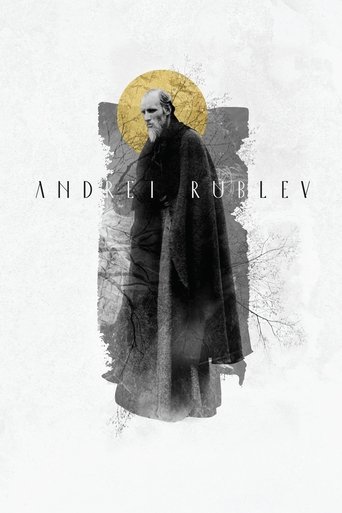
Andrei Rublev (1966)
A very different film from the same decade, which also asks what faith and the artist's or believer's vocation cost under pressure from authority.
Jump forward
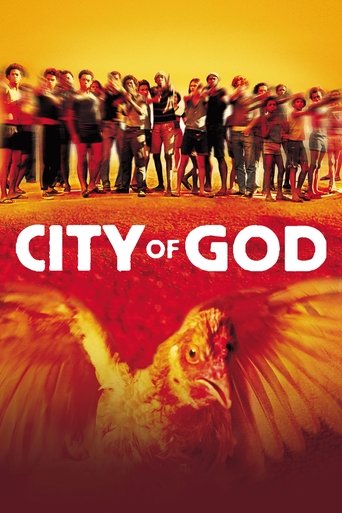
City of God (2002)
A leap to modern Brazilian cinema, showing how the country's filmmakers later addressed poverty and social forces with a much more energetic style.