Action · Crime · Thriller
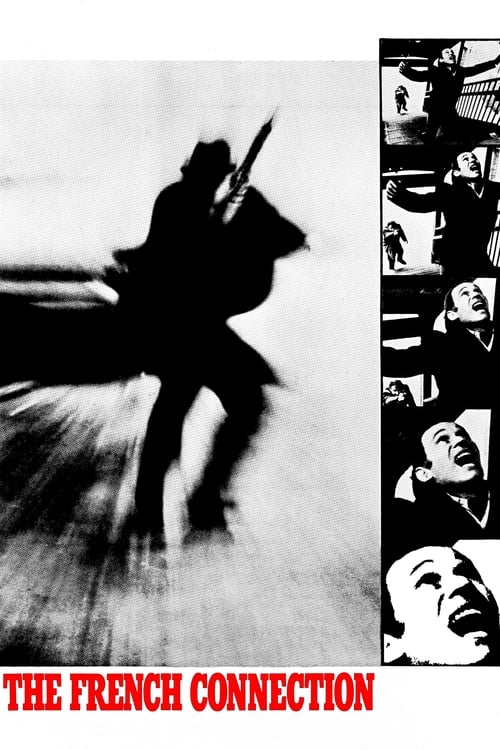
The French Connection
American
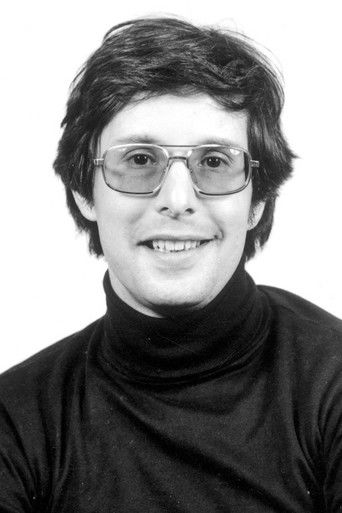
1971 · Directed by William Friedkin · 104 min


Action · Crime · Thriller
American
1971 · Directed by William Friedkin · 104 min


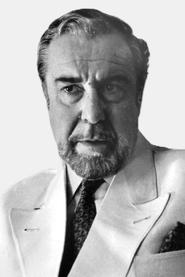
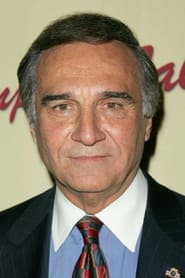
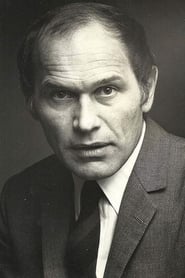
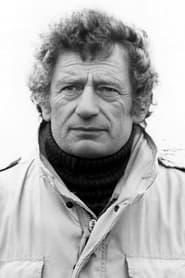


Meaning, unpacked
Central idea
The film can be read as a study of obsession in a morally exhausted city: the detective and the smuggler are equally patient and professional, and the film is less interested in justice than in the compulsion to pursue.
What it means
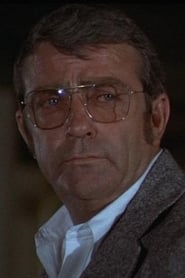
At its heart, The French Connection is about two men who share one talent: patience. A rumpled New York detective, Popeye Doyle, chases a refined French smuggler, Charnier, who is bringing heroin in from Marseille. Doyle gets close. He doesn't get his victory.
The film is less about justice than about the compulsion to pursue. Doyle is driven by instinct, ego and appetite as much as duty, and the film never tells you that being right makes him good. Charnier is courtly and quiet where Doyle is loud and untidy, yet both work through nerve and waiting. Around them, New York is cold, dirty and indifferent. Nothing in this place is clean, including the people trying to clean it up.
Why it mattered
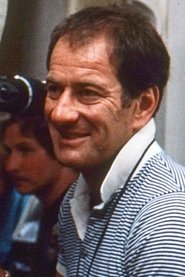
In the early 1970s, this film fused documentary-style location shooting with genre thrills. Friedkin and cinematographer Owen Roizman aimed for a news-footage feel: real locations, available light, a washed-out palette, grainy images shot from a distance through glass or crowds. It looks like a hidden surveillance record, and it replaced the polished screen detective with a flawed, obsessive one.
It also showed that suspense can come from looking rather than doing. The patient shadowing of Charnier through cold streets and the subway builds tension because you watch two equals at work. The chase under the Brooklyn elevated train was shot in live traffic with the camera fixed to the car, and one collision was unplanned. Friedkin kept it in.
Before anyone tells you what to think: what did you make of it?
Log in to rate it and leave commentsIt takes one click with Google or an email link. You come straight back here.
Rate it, keep your notes, and find the next film.
Free, no ads. Your journal, your lists, a Cine Guide that remembers you.
Create your free spaceThe film was one of the biggest hits of 1971 and won five Oscars from eight nominations, including Best Picture, Director and Actor. Its handheld, location-driven style shaped 1970s urban crime films, and its chase became a template for practical, in-traffic action. Popeye Doyle, in his pork-pie hat, became shorthand for the rogue city cop, often set beside Dirty Harry. The title even gave us a phrase, "French Connection," still used for smuggling routes.
Today it remains a benchmark for realistic thrillers. Early critics praised its craft, the chase and Hackman, though some debated its violence and the unexamined brutality of its hero. That debate has grown: modern viewers often find it more morally ambiguous than it first seemed, and discussion now centres on Doyle's racism and recklessness as part of its picture of the city.
What happens
In a warehouse shootout, Doyle accidentally kills a federal agent, ignores it, and chases Charnier into the building. A gunshot sounds and the film cuts to black. Text then says Charnier escaped, others got light sentences, and Doyle and Russo were reassigned.
The last image
A gunshot echoes inside the warehouse, then the screen goes black, and the epilogue text appears.
What it says
Doyle gets his seizure but no victory: the man he wanted walks free. The film is about the compulsion to pursue, not justice, so it denies you the payoff and leaves his obsession, and his recklessness, unresolved.
Or follow an idea from this film

Continue the director
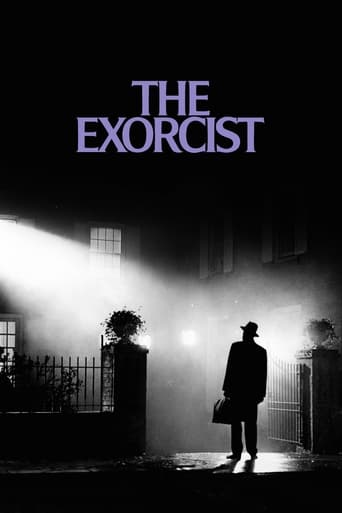
The Exorcist (1973)
Friedkin's follow-up applies the same documentary-like realism to horror, and became an even bigger sensation.
See what influenced it
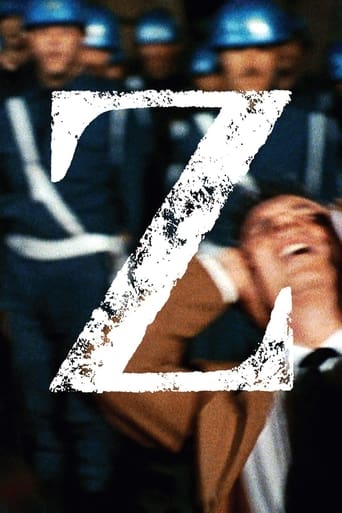
Z (1969)
The political thriller whose pace, handheld energy and sense of conspiracy fed directly into this film's style.
Explore the era or movement
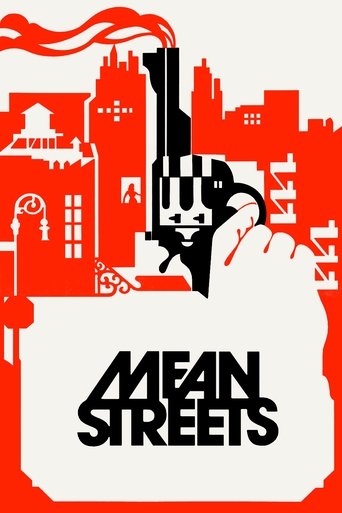
Mean Streets (1973)
Another early 1970s New York film built on real streets, raw energy and morally unsteady men, from a different, more personal angle.
Compare another approach
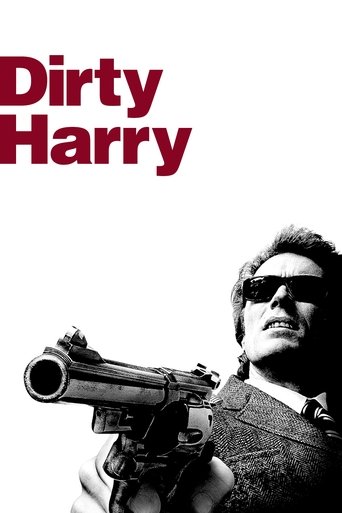
Dirty Harry (1971)
Released the same year, it presents a violent cop as mythic hero, which makes an instructive contrast with Doyle's unromantic portrait.
See its influence
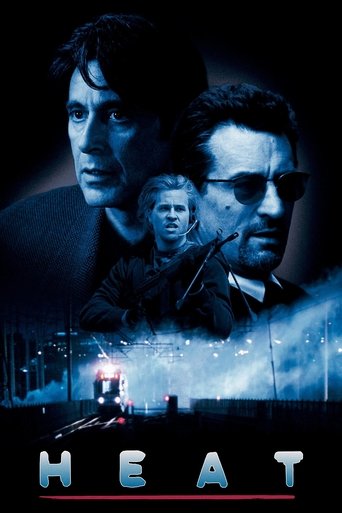
Heat (1995)
A later crime epic that inherits this film's mirrored cop and criminal and its commitment to realistic procedure.