Horror
The Exorcist III
American
1990 · Directed by William Peter Blatty · 110 min


Horror
American
1990 · Directed by William Peter Blatty · 110 min
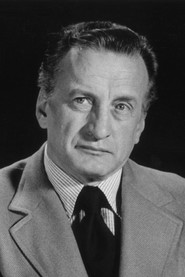
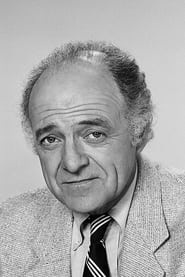

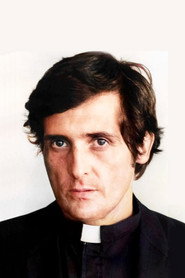
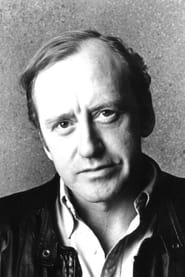



Meaning, unpacked
Central idea
The film can be read as an argument about evil and faith, staged as a murder mystery: can a rational, grieving man hold onto belief in goodness when confronted with something that wants him to despair?
What it means
The Exorcist III is a murder mystery dressed up as an argument about evil and faith. Its question is simple and hard: can a rational, grieving man keep believing in goodness when something is working to make him despair? Lieutenant Kinderman is still mourning Father Karras, and that grief is the film's heart. The horror is as much about mourning as it is about fear.
That is why the small, funny cinema conversation between Kinderman and Father Dyer matters so much. It sets up their friendship and the moral question the film will test. Around it the film worries at other things: faith against reason, with a secular detective pushed step by step toward the supernatural while the church figures seem weary and doubtful; who you are when your body or voice is no longer yours; and hospitals, confessionals and isolation cells as places where people are kept, watched or silenced, and where evil can hide.
Why it mattered
This was a studio horror sequel shaped by a novelist's preoccupations. William Peter Blatty adapted his own novel, Legion, and directed it as a story in its own right, mixing detective procedure, dark humor and theology. Talk becomes the engine of dread. In the isolation cell, George C. Scott and Brad Dourif play duels of voice, and Dourif shifts his tone and rhythm to unsettle you.
Its patience was unusual for horror of its day. The hospital corridor is a near-static wide shot that holds so long you scan the frame for danger before the shock arrives. Blatty locked the camera off to make you wait, and silence and hospital ambience do the work rather than constant orchestral cues. The film also shows how much meaning depends on an ending. Morgan Creek required an exorcism sequence, which Blatty reluctantly shot and later felt changed the film's meaning.
Before anyone tells you what to think: what did you make of it?
Log in to rate it and leave commentsIt takes one click with Google or an email link. You come straight back here.
Rate it, keep your notes, and find the next film.
Free, no ads. Your journal, your lists, a Cine Guide that remembers you.
Create your free spaceIn 1990 reviews were mixed and the box office modest. Critics who disliked it found it talky and uneven, though many praised Scott and Dourif and singled out the corridor scene as a genuine shock. Over the years its reputation has grown a great deal, largely through home video and word of mouth. It is now often called the best sequel to The Exorcist and an underrated horror film.
Its influence shows in how people talk about suspense. The corridor sequence is often cited as a model of patient, static-camera suspense, and the film seems to anticipate later slow-burn horror that prizes atmosphere, dialogue and moral weight over gore. A 2016 Blu-ray released the Legion cut, reconstructed from available materials, including lower-quality footage, to approximate what Blatty intended. Fans still debate whether the film counts as canon, even after The Exorcist: Believer, in 2023, followed the original alone.
What happens
Kinderman shoots the patient's body, which frees what remains of Karras and ends the killings. It reveals that his steady, stubborn compassion was enough to hold against something built to make him despair.
The last image
Kinderman is left mourning, grieving but still believing.
What it says
The film ends on grief, not triumph, because its question was never whether evil can be beaten. It asks whether a grieving, rational man can still believe in goodness. Kinderman's faith is bruised but intact, and that is the answer.
Or follow an idea from this film
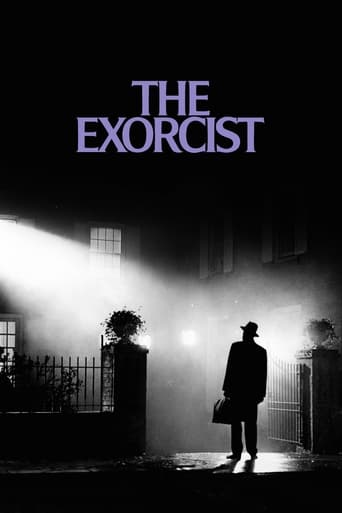

Follow the idea
The Exorcist (1973)
The original film provides the backstory, the characters and the questions about faith and evil that this film takes up fifteen years later.
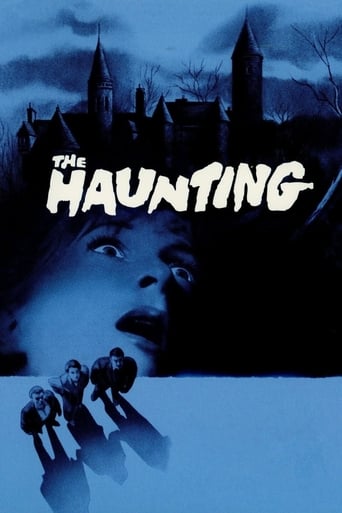
See what influenced it
The Haunting (1963)
Robert Wise's film builds fear from sound, framing and suggestion, the same restraint at the heart of Blatty's best scenes.
Compare another approach
Se7en (1995)
Another weary detective is drawn into a murder case with moral and religious weight, treated with a different, bleaker tone.
Coming soon
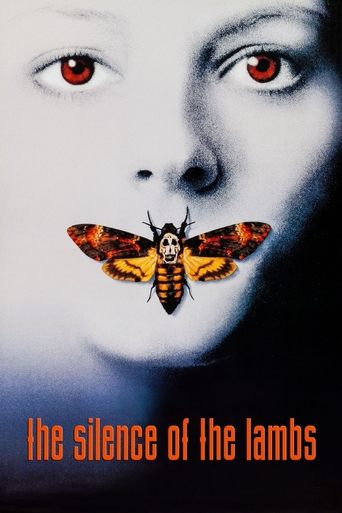
Compare another approach
The Silence of the Lambs (1991)
A caged, articulate killer and an investigator who must talk to him offer a close parallel to the interrogation scenes here.
Jump forward
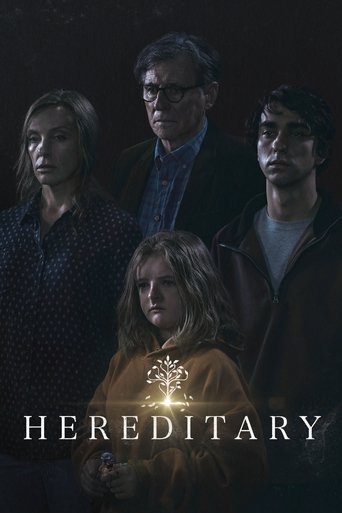
Hereditary (2018)
A modern slow-burn horror film that uses long takes, grief and dread in a way that echoes Blatty's approach.