Horror
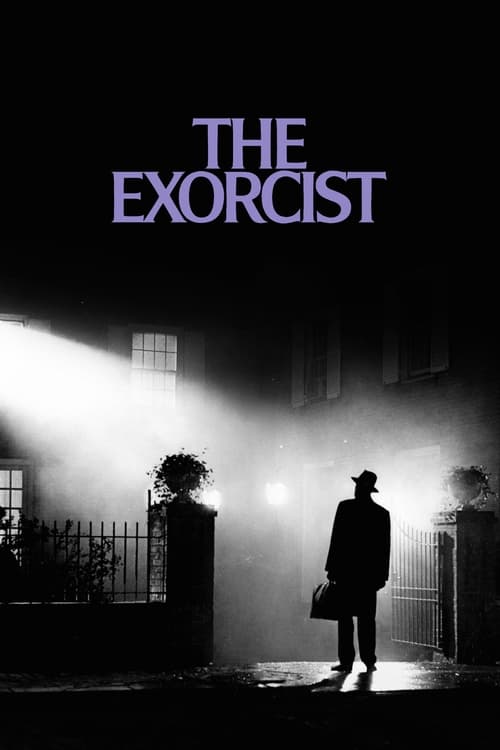
The Exorcist
American
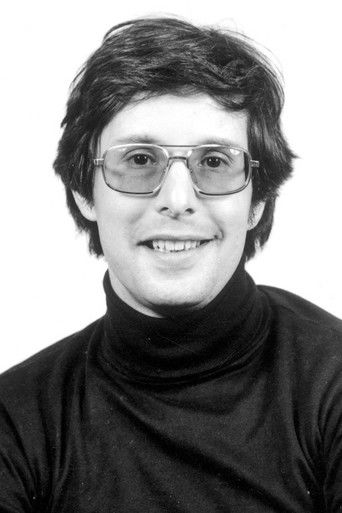
1973 · Directed by William Friedkin · 122 min


Horror
American
1973 · Directed by William Friedkin · 122 min





Meaning, unpacked
Central idea
The film can be read as a story about the limits of rational, modern explanation: a skeptical world of science and secular success confronted by evil it cannot diagnose, and by a faith that must be tested to mean anything.
What it means
The Exorcist is about the limits of modern, rational explanation. A world of science and secular success meets an evil it cannot diagnose, and the film suggests that faith only means something if it is tested. The hospital scenes, where nothing supernatural happens at all, show science running out of answers. The supernatural becomes a last resort, not a genre habit, which makes everything later harder to dismiss.
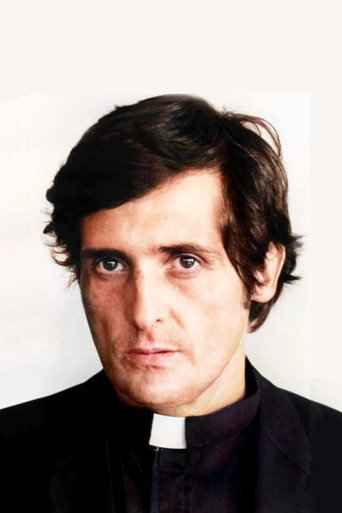
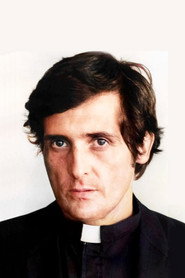
That's why Father Karras is the moral centre, more than the possessed girl. He is a priest who has stopped believing and a psychiatrist who trusts evidence, haunted by how he failed to care for his own mother. When he throws himself down those narrow stairs, the film seems to ask whether sacrifice can answer guilt. Beside him stands Chris MacNeil, frightened and helpless, whose love pulls the priests in. And the horror lives in a child's bedroom, not a castle. Evil here is intimate and ordinary.
Why it mattered
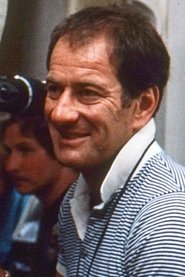
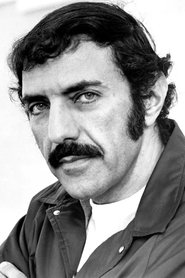
William Friedkin came from documentary and television, and had just made The French Connection. He treated the supernatural as a documentary subject, with real locations, practical effects, plain staging and long takes. The bedroom set was refrigerated so you can see the actors' breath. Dick Smith's prosthetics kept events physically present, without optical tricks. The horror grows out of reality, because the film first persuades you that everything on screen is plausible.
That approach lifted a genre long treated as B-picture material. The film earned ten Oscar nominations, including Best Picture, and won two: for the adapted screenplay and for sound. It proved horror could carry prestige, box-office power and adult themes at once. Audiences queued around the block, and it became one of the highest-grossing films of its time.
Before anyone tells you what to think: what did you make of it?
Log in to rate it and leave commentsIt takes one click with Google or an email link. You come straight back here.
Rate it, keep your notes, and find the next film.
Free, no ads. Your journal, your lists, a Cine Guide that remembers you.
Create your free spaceIt launched a decade of possession and occult films, from The Omen onward, and set a template for horror that mixes realism, family drama and religion. Later films such as The Conjuring and Hereditary still work in its shadow. Its images, the spinning head and the green vomit, became instant comic shorthand, spoofed in Scary Movie and elsewhere. The opening piano motif of Mike Oldfield's Tubular Bells is now a stock cue for creeping dread. Catholic dioceses later reported greater demand for exorcists.
Critics were divided at first. Many praised the craft and seriousness, while others condemned it as exploitative. Today its reputation has risen from scandalous hit to canonical classic, often named among the most effective horror films ever made. Its strongest trick is that it takes doubt seriously and lets you stay skeptical for a long time. That may be why it still unsettles people.
What happens
The ritual kills Merrin, and Karras goads the demon into himself, then throws himself from the window to the steps below. The demon dies with him. Regan, freed and remembering nothing, leaves Washington with her mother.
The last image
Regan and Chris drive away from the house, leaving behind the steps where Karras died.
What it says
Karras, who had stopped believing, proves his faith only by giving up his life, and the film suggests sacrifice can answer guilt. Evil is beaten at a cost, not for good, which is why the ending feels quiet and unsettled.
Or follow an idea from this film

See what influenced it
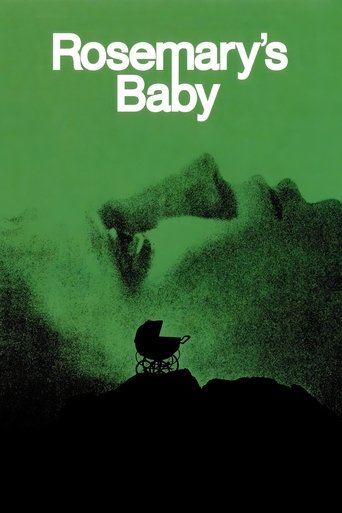
Rosemary's Baby (1968)
The immediate precedent: another devil-haunted pregnancy story that plays out in a realistic modern setting, with far more suggestion and paranoia than shock.
Continue the director
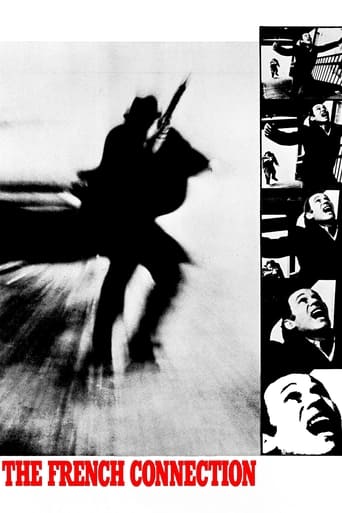
The French Connection (1971)
Friedkin's Oscar-winning thriller shows the documentary-like energy and location realism that he carried into The Exorcist.
Compare another approach
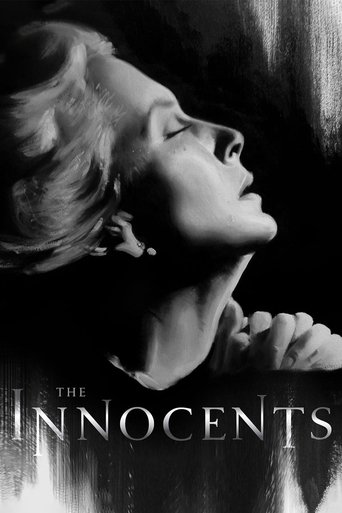
The Innocents (1961)
A ghostly horror that relies on ambiguity and suggestion, offering a revealing contrast to The Exorcist's explicit physicality.
Explore the era or movement
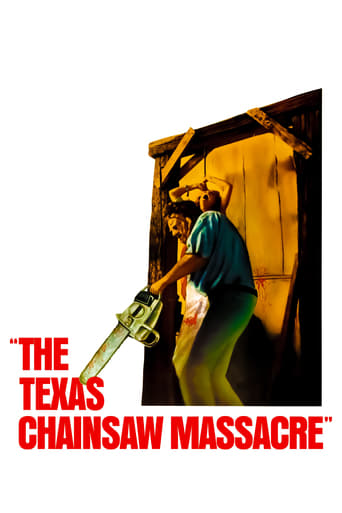
The Texas Chain Saw Massacre (1974)
Another landmark of 1970s horror, but a raw, low-budget, grimy response that shows how far the genre was moving.

Follow the idea
Under the Sun of Satan (1987)
A very different, austere art-house drama of a priest confronting evil and doubt, for those drawn to the film's spiritual themes.