Adventure · Action · Science Fiction
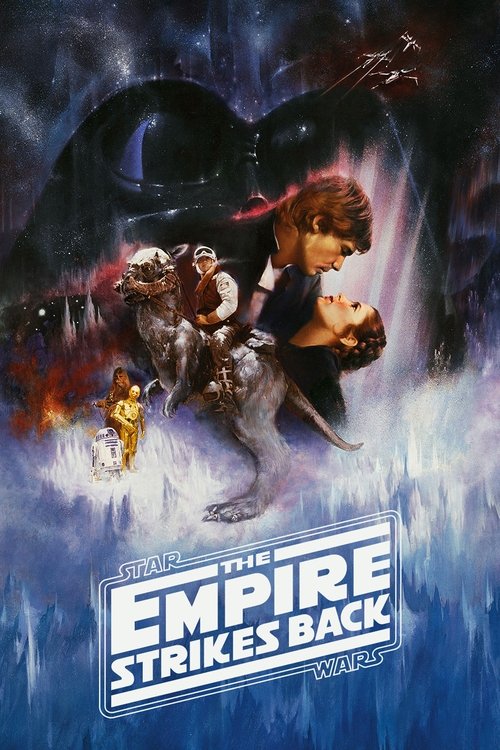
The Empire Strikes Back
American
1980 · Directed by Irvin Kershner · 124 min


Adventure · Action · Science Fiction
American
1980 · Directed by Irvin Kershner · 124 min





Meaning, unpacked
Central idea
The film can be read as a story about the cost of growing up: impatience, pride and desire are tested, and the heroes learn that courage and loyalty do not guarantee a clean victory.
What it means
The Empire Strikes Back can be heard as a story about the cost of growing up. Impatience, pride and desire are all put to the test, and the heroes learn that courage and loyalty do not guarantee a clean victory.
The film runs on three strands: pursuit, training and capture. Luke trains with Yoda while Han and Leia fall into a trap on Cloud City. At its heart is temperament. Luke wants action and certainty; Yoda values stillness and humility, so the training tests character, not just skill. The dark side looks like an easy path, alliances crack under pressure, and Luke's sense of who he is gets turned upside down by what he learns about his family. When Han is frozen in carbonite and Leia says she loves him, he answers, "I know." Then, in the duel on Cloud City, a swordfight becomes a moral crisis. Luke loses a hand, refuses Vader, and lets himself fall.
Why it mattered
George Lucas, exhausted after the first film, financed this sequel through his own company, stayed on as executive producer and chose Irvin Kershner to direct. Kershner focused on performance and mood, and encouraged improvisation. Harrison Ford and Carrie Fisher found a more adult register than the first film's brisk adventure had allowed. The result showed that a sequel could deepen its characters and tone instead of repeating the original.
The craft matched the ambition. Peter Suschitzky's lighting gave each world its own temperature: cold whites on Hoth, murky greens on Dagobah, glowing colours in Cloud City. Industrial Light and Magic built its walkers from miniatures and stop-motion, and Frank Oz's puppet Yoda was treated as a real actor. John Williams added the Imperial March and a love theme for Han and Leia. The film also trusts you to carry its questions past the final image.
Before anyone tells you what to think: what did you make of it?
Log in to rate it and leave commentsIt takes one click with Google or an email link. You come straight back here.
Rate it, keep your notes, and find the next film.
Free, no ads. Your journal, your lists, a Cine Guide that remembers you.
Create your free spaceReviews at release were mixed. Some critics found it darker and less complete than the first film. Audiences came in huge numbers anyway, and it was one of the highest-grossing films of 1980. It won an Academy Award for Sound, plus a Special Achievement Award for Visual Effects.
Its reputation has risen ever since, and many now call it the best of the original trilogy, a rare sequel that surpasses its predecessor. It helped make the dark middle chapter an expected shape for trilogies, and ILM's work shaped the effects industry. The Vader reveal became one of the most parodied moments in cinema, and Family Guy and Robot Chicken have spoofed it and the carbonite scene. The Imperial March is played at sporting events by people who may never have seen the film. Perhaps that is why it lasts: it lets the heroes lose, and trusts us to wait.
What happens
Luke refuses Vader, who has revealed he is Luke's father, and lets himself fall. Leia and Lando rescue him, but Han is carried off by Boba Fett, frozen in carbonite. The heroes regroup, resolved to find him.
The last image
Luke, fitted with a mechanical hand, stands beside Leia, Lando and the droids, gazing out at the stars.
What it says
The heroes don't win, and the film lets that stand. Luke has lost a hand and his certainty about who he is, and Han is gone. Courage and loyalty bring you through, but not cleanly, and the film trusts you to wait for the answer.
Or follow an idea from this film

See what influenced it
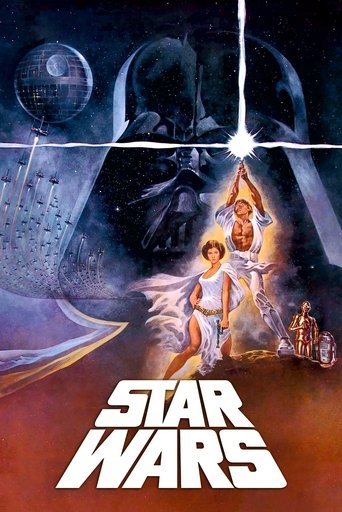
Star Wars (1977)
The original film shows what the sequel inherits and what it changes. Seen together, the shift from bright adventure to darker emotional drama stands out.
Follow the idea
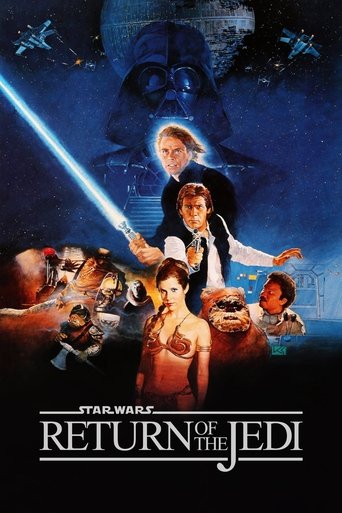
Return of the Jedi (1983)
It finishes the story of Luke, Vader and the Empire, and puts the questions raised here to their test.
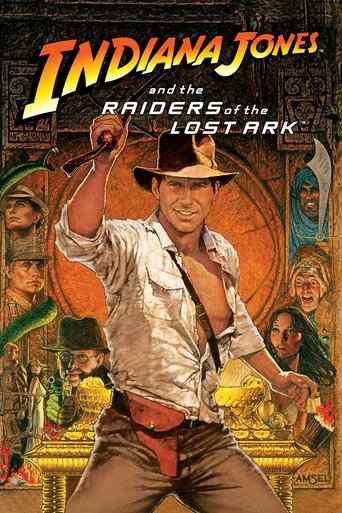
Explore the era or movement
Raiders of the Lost Ark (1981)
Written by Lawrence Kasdan and produced with Lucas, it shows the same early-1980s blend of serial adventure, humour and craft in a very different setting.
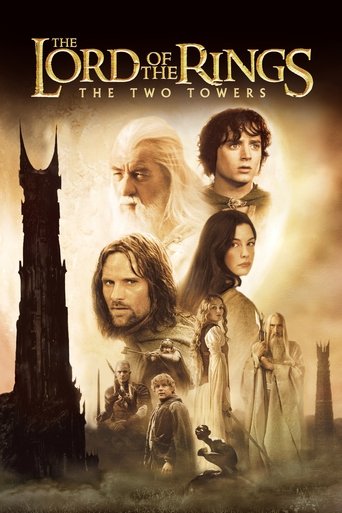
Compare another approach
The Lord of the Rings: The Two Towers (2002)
Compare how another saga's middle chapter handles separated characters, rising darkness and the audience's patience.
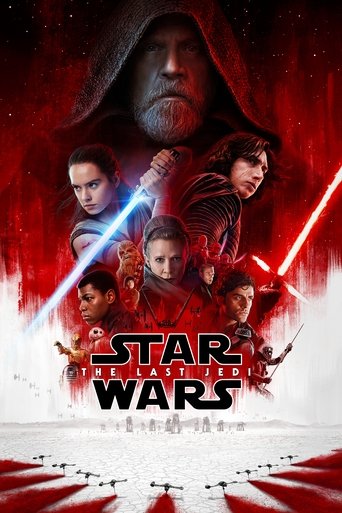
Jump forward
Star Wars: The Last Jedi (2017)
A later instalment that reworks the mentor, legacy and failure themes introduced here, and shows how the saga's own myth was reinterpreted.