Drama · War
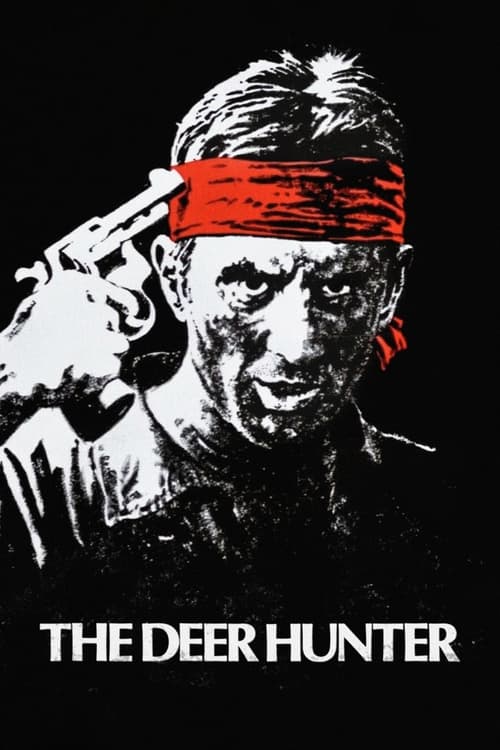
The Deer Hunter
American
1978 · Directed by Michael Cimino · 183 min


Drama · War
American
1978 · Directed by Michael Cimino · 183 min









Meaning, unpacked
Central idea
The film can be read as a study of how a tightly bound community, with its rituals, loyalties and unspoken codes, absorbs the shock of war, and how a belief in control and ceremony fails and is partly rebuilt.
What it means
On the surface, The Deer Hunter follows a group of steel-town friends into Vietnam. Two are broken by it, and Michael's promise to look after Nick leads him back to Saigon. But the film is really about a community. A wedding, a church, a bar and a hunt are the rituals that hold these men together. The war doesn't destroy them. It leaves them standing, and the men come home unable to fill them.
The film also asks whether luck can be mastered. Michael's creed of one shot, and Russian roulette in its most extreme form, are both attempts to control chance, and the film doubts it can be done. It shows how unprepared these men are for grief: they express love through jokes, drink and shared tasks, a language that works at a wedding and fails at a hospital bed. At the end, the mourners sing "God Bless America", quietly and haltingly. Is it patriotic or ironic? The film doesn't say.
Why it mattered
Released in 1978, it was among the first big studio films to confront Vietnam and its aftermath. It moved the war from protest and satire into personal, communal grief. It located the damage in the families, bars and hospitals of an American town, not just on the battlefield, and it showed almost no conventional combat.
Its structure was unusual too: home before the war, the war itself, and the return. The wedding runs long on purpose, and combat arrives late, so the war lands as the loss of people you know. It won five Oscars, including Best Picture and Best Director for Michael Cimino, his second feature. Peter Zinner's editing, which also won, lets scenes breathe, then cuts sharply in the war sections.
Before anyone tells you what to think: what did you make of it?
Log in to rate it and leave commentsIt takes one click with Google or an email link. You come straight back here.
Rate it, keep your notes, and find the next film.
Free, no ads. Your journal, your lists, a Cine Guide that remembers you.
Create your free spaceIt helped open the way for the Vietnam films of the 1980s, such as Platoon and Born on the Fourth of July, and made the veteran's return and the wounded community central subjects. Its Russian roulette scene is among the most imitated in later war and crime films. "Cavatina" became a hit in Britain, and the film is still taught in courses on Vietnam War memory.
Its reputation remains high but contested. Admirers see a powerful portrait of a community and a peak of 1970s acting. Critics object to its depiction of the Vietnamese and its invented use of Russian roulette, and Eastern bloc delegations protested its 1979 Berlin showing. Because of that, it is best read as an emotional account of the war, not a historical one.
What happens
In Saigon in 1975, Michael plays roulette against Nick to bring him home, and Nick shoots himself. After the funeral, the surviving friends gather at John's bar and sing "God Bless America".
The last image
The friends, grieving at the table in John's bar, sing the song quietly and haltingly, and the film ends without telling you what it means.
Three readings
What it says
The war has left these men's rituals standing but not the people who fit them. Michael's promise cannot control chance, so the film ends in a halting song of mourning, not triumph, and leaves its meaning to you.
Or follow an idea from this film

Compare another approach
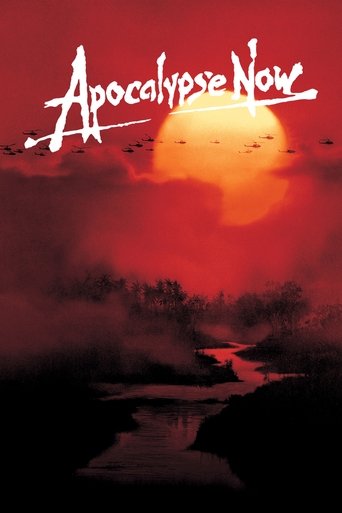
Apocalypse Now (1979)
Released a year later, it treats the same war as hallucinatory myth rather than community drama, and makes a revealing contrast.
Continue the director
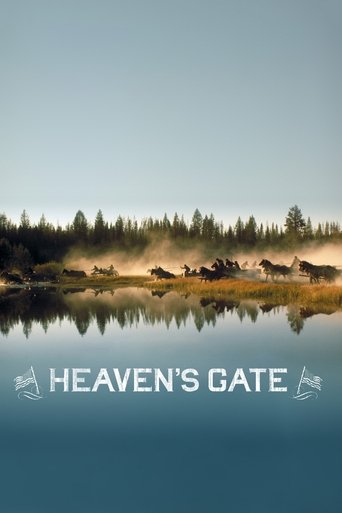
Heaven's Gate (1980)
Cimino's next film, another large-scale story of immigrants and community, and its disastrous commercial failure changed the director's career.
See what influenced it
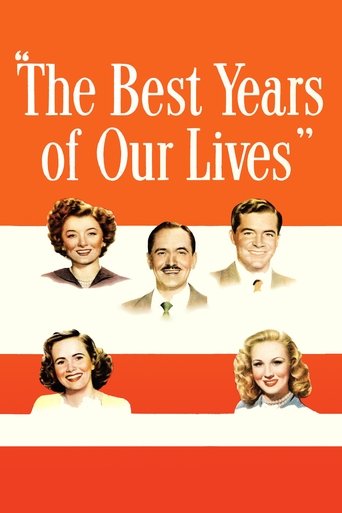
The Best Years of Our Lives (1946)
A gentler, earlier film about returning servicemen and the difficulty of fitting back into home.
See its influence
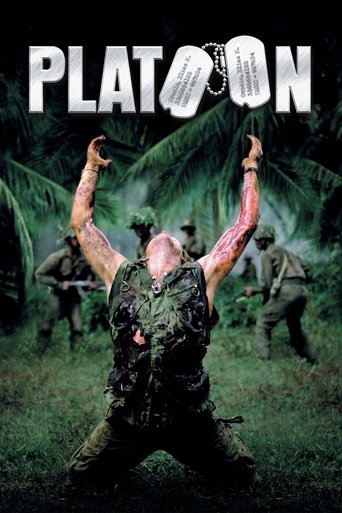
Platoon (1986)
A later, more combat-focused Vietnam film that shows how the cycle The Deer Hunter helped begin developed.
Explore the era or movement
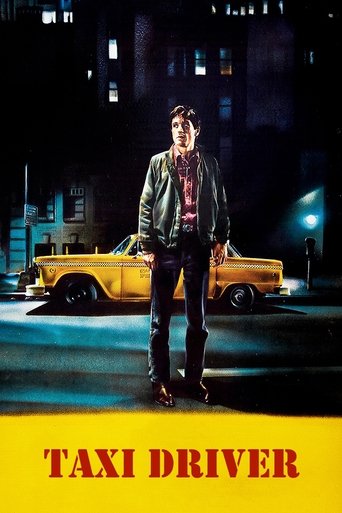
Taxi Driver (1976)
Another New Hollywood portrait of a damaged veteran, with Robert De Niro, in a bleaker and more urban setting.