Drama
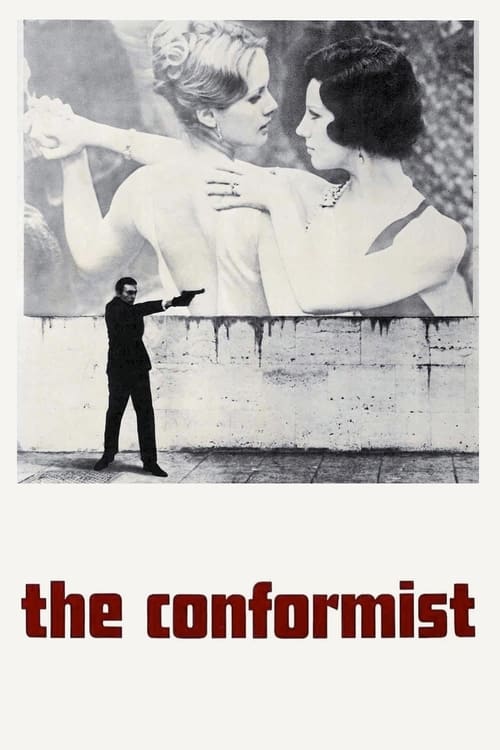
The Conformist
Italian (Il conformista)
1970 · Directed by Bernardo Bertolucci · 108 min


Drama
Italian (Il conformista)
1970 · Directed by Bernardo Bertolucci · 108 min





Meaning, unpacked
Central idea
The film can be read as a study of conformity as a form of flight: Marcello does not believe in fascism so much as use it to hide from his own nature and past. Political obedience becomes the outward form of private fear.
What it means
Marcello wants to be normal. That one wish drives every choice he makes, from his marriage to Giulia to his service to the regime. The Conformist is about conformity as a form of flight. Marcello doesn't truly believe in fascism; he uses it to hide from his own nature and his past. Political obedience becomes the outward face of private fear, and buried childhood events keep returning in flashbacks, inviting you to link personal guilt to political guilt.
What makes him unsettling is that he is no zealot. He is an opportunist and an observer, and the film suggests a regime can rely on people exactly like him. Quadri's lecture on shadows and reality echoes Plato's cave, and you can see it in the blinds and projected light: Marcello prefers shadows to truth. The two women mark his poles. Giulia offers the safe, conventional life he craves, Anna a freer sensuality he cannot accept. In the Paris dance hall the crowd joins in a flowing dance while he stands tense and still. In the snowy woods he watches violence from a distance. His passivity as a witness is the film's moral question.
Why it mattered
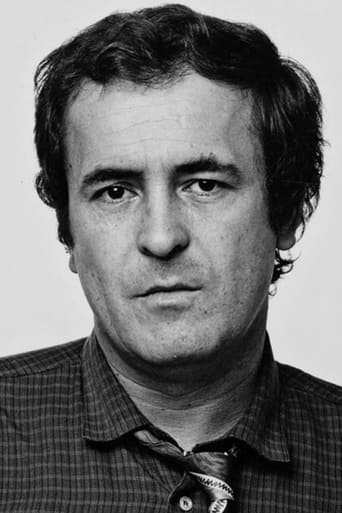
Bertolucci, then in his late twenties, reworked Alberto Moravia's 1951 novel, shifting its structure and giving it a more visual, dreamlike treatment. The film jumps between 1938, the 1920s and 1943 through association and memory, so it is a thriller in which time itself is unstable. It brought Bertolucci wide recognition, and was admired in Europe and the United States for its visual grandeur and political intelligence.
Before anyone tells you what to think: what did you make of it?
Log in to rate it and leave commentsIt takes one click with Google or an email link. You come straight back here.
Rate it, keep your notes, and find the next film.
Free, no ads. Your journal, your lists, a Cine Guide that remembers you.
Create your free spaceThe look was a landmark. Vittorio Storaro lit each place differently, with stripes of shadow, bluish winter tones and warm interiors, and his gliding camera made surveillance and anxiety feel physical. Ferdinando Scarfiotti built spaces of imposing geometry. Bertolucci shot in Rome's EUR district, built under Mussolini, so the real fascist buildings avoided pastiche and the architecture itself testified to the regime. He also admired Jean-Luc Godard, giving the Paris scenes a New Wave flavour in a lavish style quite unlike Godard's.
Storaro's expressive lighting and Scarfiotti's design helped inspire the look of American 1970s cinema, and Storaro went on to shoot Apocalypse Now. Bertolucci's mix of politics, psychology and spectacle returned in 1900 and The Last Emperor. The film earned one Academy Award nomination, for Best Adapted Screenplay, and no wins. Some critics asked whether its beauty aestheticised its subject, but it made Bertolucci a leading director of his generation.
Its reputation has only grown. It is taught in film and history courses as a study of how ordinary people drift into fascism, and its title is shorthand for conformity and complicity. Its link between sexuality and fascism is still debated, read as both insightful and problematic. Its cold image of Fascist-era Rome has echoed through films and photography, and cinematographers still cite it as a model of lighting and composition.
What happens
In 1943, as Mussolini falls, Marcello learns the man he thought he killed as a boy is alive. In panic he denounces that man, and his blind friend Italo, to a crowd as fascists. It shows his loyalty was only ever to safety.
The last image
Marcello sits alone and half-naked, staring at a young man in the street, still unsure of himself.
Two readings
What it says
Marcello changes sides the moment power does, which shows conformity was never belief, only flight from himself. The film ends with him exposed and unresolved, so the escape he chose gets him nothing.
Or follow an idea from this film

Continue the director
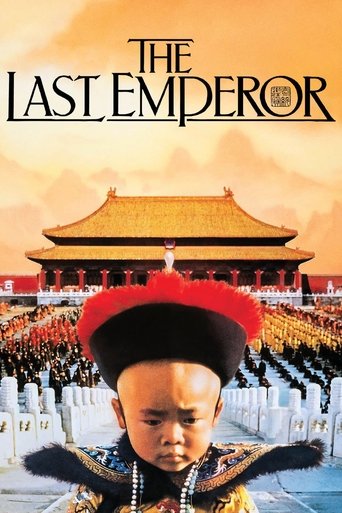
The Last Emperor (1987)
Bertolucci's later epic with Storaro, again following a man whose life is shaped by political forces and who is both a participant and a prisoner.
Follow the idea
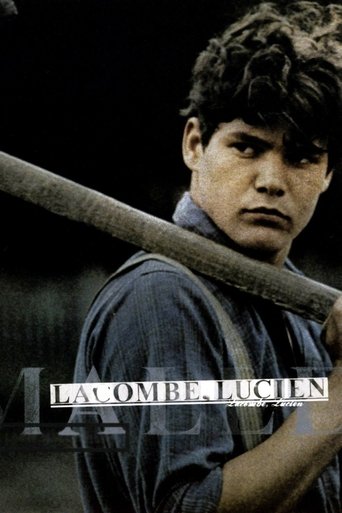
Lacombe, Lucien (1974)
A young man drifts into collaboration with an occupying regime without ideology, a close companion on the ordinariness of complicity.
See its influence
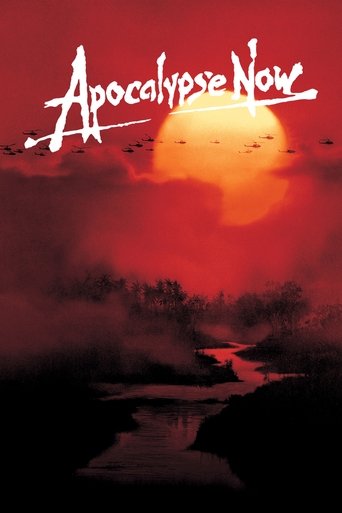
Apocalypse Now (1979)
Storaro photographed Coppola's war epic, which extends the expressive use of light, colour and moral darkness seen here.
Explore the era or movement
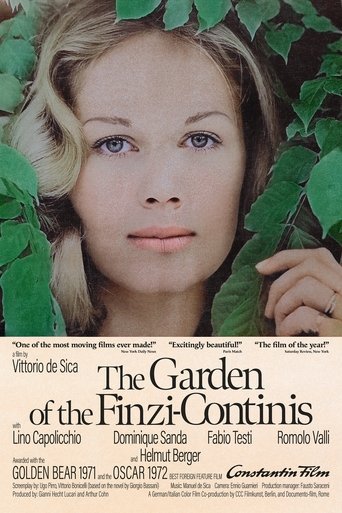
The Garden of the Finzi-Continis (1970)
Released the same year, it looks at Italian fascism from the opposite side, through a Jewish family's refined world closing in around them.
Compare another approach
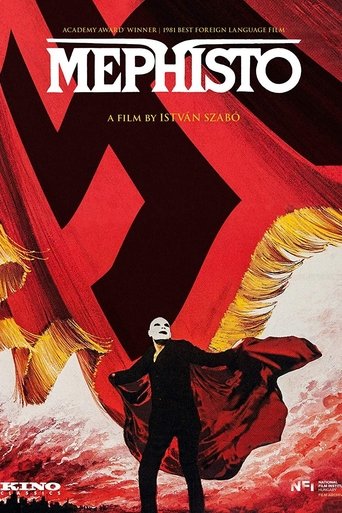
Mephisto (1981)
An actor's accommodation with the Nazi regime echoes Marcello's, and offers a useful comparison of ambition, vanity and complicity.