Horror · Mystery
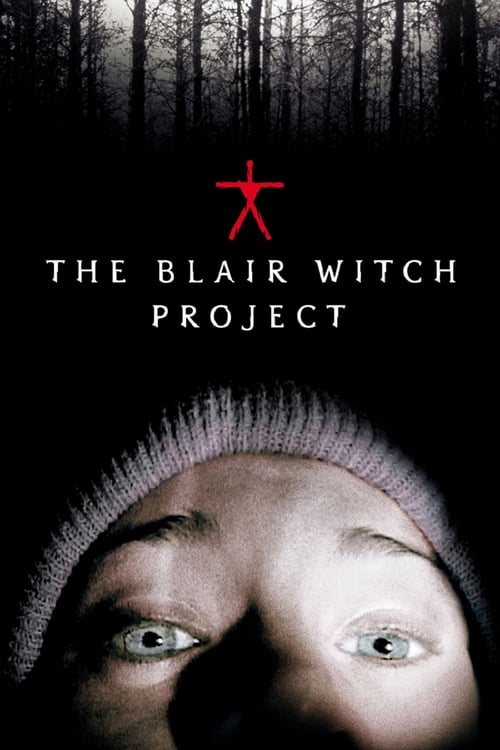
The Blair Witch Project
American
1999 · Directed by Daniel Myrick & Eduardo Sánchez · 81 min


Horror · Mystery
American
1999 · Directed by Daniel Myrick & Eduardo Sánchez · 81 min





Meaning, unpacked
Central idea
The film explores how fear grows from uncertainty: getting lost, losing trust in each other and in what the camera records. It can be read as a story about the limits of documentary, since the lens gives a feeling of evidence while hiding as much as it shows.
What it means
Three film students walk into the Maryland woods to make a documentary about a local legend, and they never walk out. What remains is their footage, and the uneasy feeling that a camera can show you everything and still tell you nothing.
That is the heart of it: fear grows from uncertainty. The town interviews plant the myth of a witch and a hermit named Rustin Parr, and that story colours every sound and object afterward. Then Michael kicks their map into a creek, and geography becomes psychology. The students lose their way, then each other's trust, then their faith in what the camera records. Heather's apology to the lens, one unbroken, tear-streaked close-up, is the emotional centre. The ending explains nothing, and leaves you to finish the story.
Why it mattered
Earlier films, such as Cannibal Holocaust in 1980, had used found footage. This one brought the device to a mass audience. Its directors, Daniel Myrick and Eduardo Sánchez, cast people for their skill at improvising, kept their first names for the characters, and sent them into the woods with cameras, GPS units and daily written instructions. Their food was reportedly cut and their interactions manipulated, so the exhaustion you see is partly real.
The style does the rest. Handheld shots, tilted horizons and badly lit faces make imperfection feel like proof. There is no music, so every snap and distant cry feels unmanaged. The editing mimics recovered tapes, with scenes growing shorter and more fragmented. And the fiction spilled past the screen: a website with police reports, a television special, even the actors listed as missing on IMDb. It was among the first campaigns to use the internet to build a film's mystery.
Before anyone tells you what to think: what did you make of it?
Log in to rate it and leave commentsIt takes one click with Google or an email link. You come straight back here.
Rate it, keep your notes, and find the next film.
Free, no ads. Your journal, your lists, a Cine Guide that remembers you.
Create your free spaceIt premiered at Sundance in January 1999. Many critics praised its originality and its power to scare on a tiny budget; others found the shaky camera and ambiguity frustrating. Audiences came in large numbers, and it earned well over two hundred million dollars worldwide. It set the template for Paranormal Activity, REC and Cloverfield, and showed that a very cheap horror film could rival studio releases. It also quickly drew spoofs, including Scary Movie and Book of Shadows: Blair Witch 2, both from 2000.
Heather's close-up became shorthand for panicked amateur filmmaking, and fans flocked to Burkittsville, where residents grew tired of people taking their road sign. Today it stands as a landmark of low-budget horror and film marketing. Some viewers who arrive late find it slow, because its look has been imitated so often. Yet its restraint and the sincerity of its performances are now often seen as what its many successors lacked.
What happens
Following Josh's cries, Heather and Michael reach an abandoned house. In the basement, Michael stands silent in a corner, Heather is attacked, and the camera falls. We never learn who or what did it.
The last image
The camera drops and the picture cuts to black, with Michael still standing facing the corner.
Three readings
What it says
By never showing the cause, the ending proves the film's point: fear grows from what we can't see. The camera records everything and explains nothing, so your imagination supplies a threat no effect could match.
Or follow an idea from this film

See what influenced it
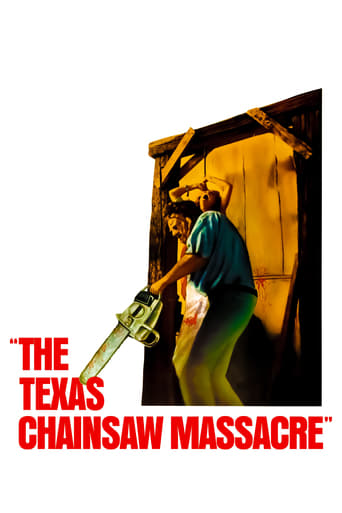
The Texas Chain Saw Massacre (1974)
A raw, low-budget horror film with a documentary-like texture. It shows the earlier American tradition of grimy, realistic fear that Blair Witch also draws on.
Explore the era or movement
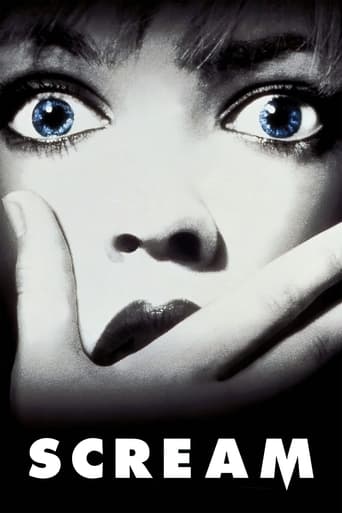
Scream (1996)
Made three years earlier, it shows the glossy, self-aware horror mainstream that The Blair Witch Project stood against.
Compare another approach
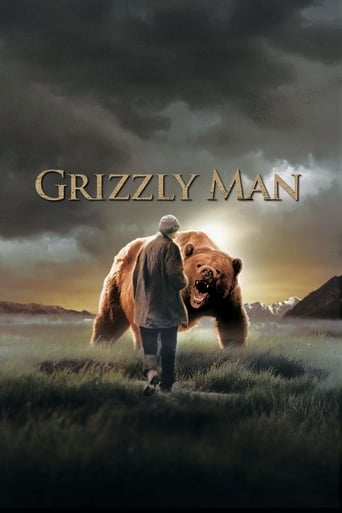
Grizzly Man (2005)
A real documentary assembled from a man's own recorded footage. Comparing it shows how actual and fictional recorded evidence differ, and what a camera reveals about its operator.
Follow the idea
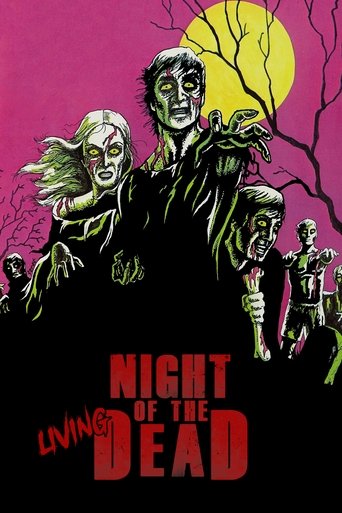
Night of the Living Dead (1968)
Another microbudget horror film that changed the genre through rough texture and bleak ambiguity, made outside the studio system.
Jump forward
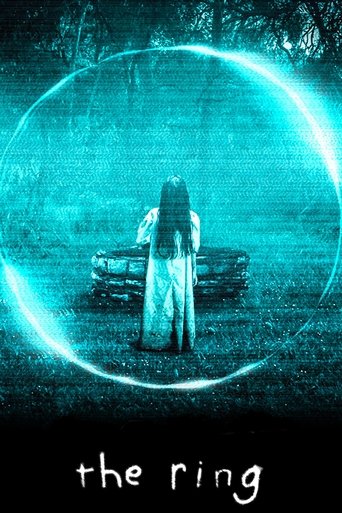
The Ring (2002)
Another turn-of-the-century horror hit built on recorded images and the fear that a recording can contain something dangerous.