Documentary
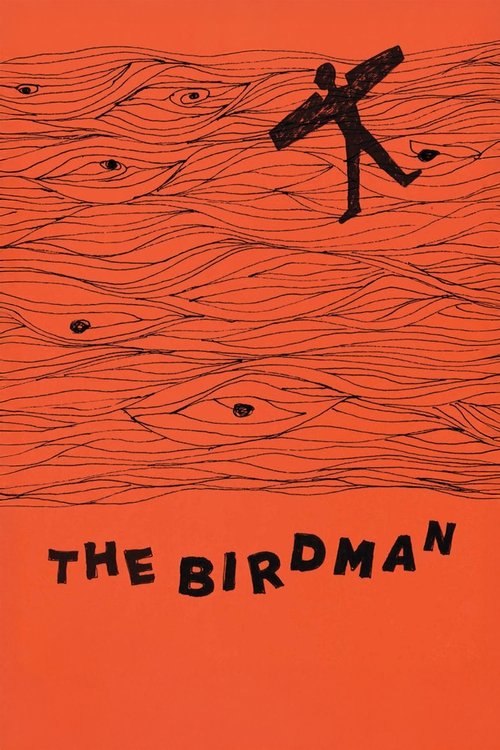
The Birdman
Romanian (Omul Pasăre)
2014 · Directed by Alexandru Mavrodineanu · 76 min


Documentary
Romanian (Omul Pasăre)
2014 · Directed by Alexandru Mavrodineanu · 76 min

Meaning, unpacked
Central idea
The film can be read as a study of how a person negotiates with time. Flying is Mihăiță's way of staying fully alive, and the film asks what a life is worth once the body begins to say no.
What it means
You have just spent time with Nicolae Mihăiță, known as Mami, an old aviator who refuses to treat age as a verdict. The film follows his effort to set an aviation record, and it ends not in final victory but in one more truce in his long argument with time. He does not accept ageing; he bargains with it, and each success only buys him a little more room.
The title, Omul Pasăre, literally means Bird Man. It does not describe a man who flies, but a man who is flight. So when his body begins to say no, the question is who he would be if he could not. The record is public and measurable, but its real value is private: proof that he is still capable. The quiet talk of age, health and doubt shows stubbornness and vulnerability side by side, and the film respects both. Time wins in the end, as it always does. The film asks what we do in the meantime, and answers in the sky.
Why it mattered
This is a small film, in the best sense. Like many documentaries from smaller national cinemas, it belongs to the festival and co-production world, not to mainstream release, and that shaped its modest scale and intimate tone. It is a modest but characteristic example of twenty-first-century observational documentary from Romania, where the portrait of one person carries a wider reflection on time and endurance.
Its method is patient. It follows its subject over time, mostly lets events and speech unfold without heavy commentary, and trusts Mihăiță's personality to carry the scenes. The camera stays close on his face, his hands and his instruments, so you feel the physical effort of ageing. Cockpit and sky are set against the ordinary world below, so flight reads as release and the ground as constraint. Building everything around one goal gives the film a simple shape and leaves room for reflection instead of plot.
Before anyone tells you what to think: what did you make of it?
Log in to rate it and leave commentsIt takes one click with Google or an email link. You come straight back here.
Rate it, keep your notes, and find the next film.
Free, no ads. Your journal, your lists, a Cine Guide that remembers you.
Create your free spaceThe release was modest, mainly through festivals and specialist audiences, as is usual for small national documentaries. People valued the intimacy of the portrait rather than any broad commercial impact. Its influence is quiet: it belongs to a wave of contemporary documentaries that treat the late-life ambitions of ordinary people as worth a feature-length look.
Today it remains little known, but sincere. It has circulated mostly among documentary audiences and festival-goers, and it tends to come up when people talk about small-scale, character-led portraits, not as a widely recognised reference point in popular culture. Its appeal grows for viewers who arrive through an interest in Romanian cinema, in aviation, or in the documentary tradition of close, patient character studies.
What happens
The film ends without telling you he won or lost. His record attempt is treated as one more truce in his long battle with time. What it reveals is that the outcome was never the point; his refusal to stop was.
The last image
A man who will not stop for as long as he is able to fly.
What it says
Time always wins in the end, and the film knows it. So it refuses both triumph and tragedy. It asks what we do in the meantime, and answers with one stubborn man deciding that today he will still go up.
Or follow an idea from this film
Compare another approach
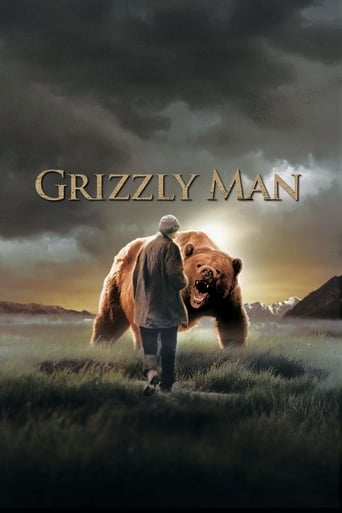
Grizzly Man (2005)
Another documentary about one obsessive individual and his chosen relationship with a risky world. Compare how each film frames its subject's dignity and delusion.
Follow the idea
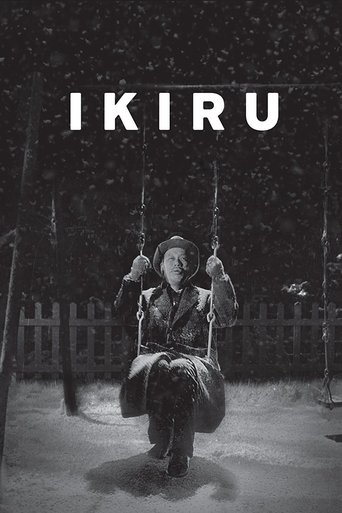
Ikiru (1952)
A fiction film about a man confronting his limited time and searching for meaning, and a natural companion to this film's central question.

See what influenced it
Salesman (1969)
A foundational direct cinema documentary that shows the observational method this film inherits.

Explore the era or movement
4 Months, 3 Weeks and 2 Days (2007)
The best-known film of the Romanian New Wave, useful for seeing the national filmmaking context around this documentary.
Follow the idea
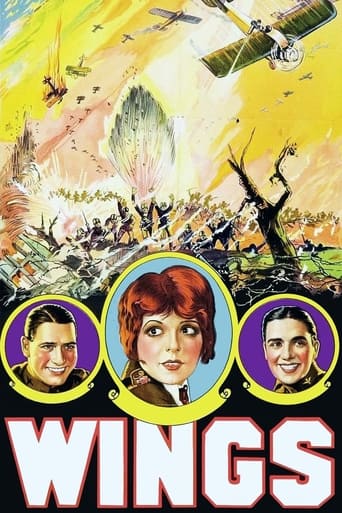
Wings (1927)
An early cinema celebration of flight, which makes a striking contrast with this film's late-life, human-scale view of aviation.