Comedy · Crime
The Big Lebowski
American
1998 · Directed by Joel Coen & Ethan Coen · 117 min


Comedy · Crime
American
1998 · Directed by Joel Coen & Ethan Coen · 117 min












Meaning, unpacked
Central idea
The film can be read as a comedy about meaning: a man who needs almost nothing is thrust into a plot full of people who are certain about everything. Its pleasure is in how little the world's schemes touch his calm.
What it means
A rug is ruined, a man seeks compensation, and a kidnapping plot that may not be a kidnapping swallows him whole. You don't need to hold on to the story, because the pleasure was never in the plot. The film is best seen as a comedy about meaning: a man who needs almost nothing is thrust among people who are certain about everything.
Walter has his rules, the nihilists have theirs, and the other Lebowski, the self-styled self-made man, has his own. The comedy comes when those rules run into reality, while the Dude's calm is barely touched. The film never says who is wiser. It only shows who is more at peace, and leaves you to decide whether you'd rather abide or strive.
Why it mattered
This was Joel and Ethan Coen right after Fargo, at their most playful. They wanted a Los Angeles story in the manner of Raymond Chandler, where a mystery drifts and clues lead to more eccentric people instead of answers. Then they put a passive, unambitious hero at its centre, and the gap between genre and hero is where the laughs live.
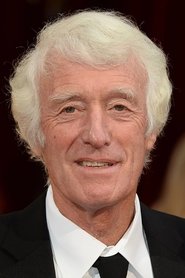
It also broke realism on purpose. Busby Berkeley-style bowling fantasies and a surreal chase show you the Dude's inner life, and Roger Deakins moves from long, gliding takes into saturated colour and impossible camera moves. The film runs on dream logic, not detective logic. That loose feel isn't improvisation, though. The dialogue is tightly written, with repeated phrases and running gags, and the actors make it look easy.
Before anyone tells you what to think: what did you make of it?
Log in to rate it and leave commentsIt takes one click with Google or an email link. You come straight back here.
Rate it, keep your notes, and find the next film.
Free, no ads. Your journal, your lists, a Cine Guide that remembers you.
Create your free spaceIt did not look like a classic at first. After a Sundance premiere in early 1998, reviews were mixed to positive and the box office modest, a cooler welcome than Fargo had enjoyed. Some critics found it shapeless and slight. Few expected it to become one of the Coens' most beloved films.
Home video changed that. In 2002, fans gathered in Louisville, Kentucky, and that grew into touring Lebowski Fests, with bowling, costumes and quote-alongs. Dudeism, a mock religion, ordains followers online, and lines like "The Dude abides" became everyday shorthand. The film helped define the modern cult movie and paved the way for shaggy-dog detective stories like Paul Thomas Anderson's Inherent Vice. Its reputation has kept rising, and critics now take its craft and structure seriously.
What happens
Donny dies, the nihilists are dealt with, and the Big Lebowski is exposed as a fraud who stole the ransom money himself. Walter scatters Donny's ashes, which blow back over the Dude. Life goes on, with bowling.
The last image
The Dude stands at the bowling alley bar, relaxed and unbothered, as the Stranger tells us that the Dude abides.
What it says
The plot's schemes end with nothing solved and nothing gained, yet the friendship survives. The film closes on mourning turned into a joke and then something warmer, because abiding, not winning, is what it values.
Or follow an idea from this film

Continue the director
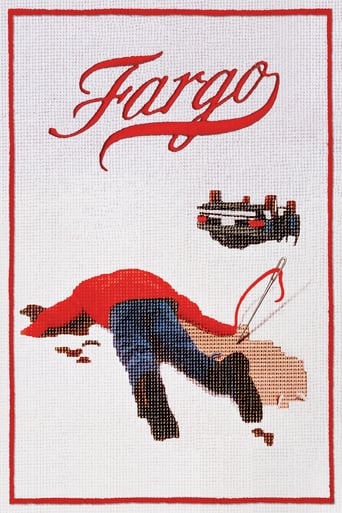
Fargo (1996)
The Coens' immediately preceding film shows their other register: a darkly comic crime story with wintry settings and polite, deadly characters.
See what influenced it
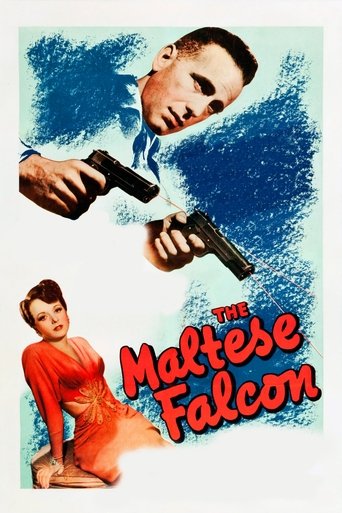
The Maltese Falcon (1941)
The classic hard-boiled detective story shows the genre mould the Coens are bending, with a tough, competent hero who is exactly what the Dude is not.
Follow the idea
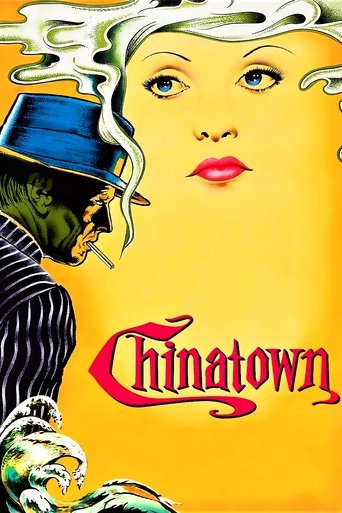
Chinatown (1974)
A serious Los Angeles detective story in which a simple case widens into corruption and money. It makes a revealing counterpoint to Lebowski's comic version.
Compare another approach
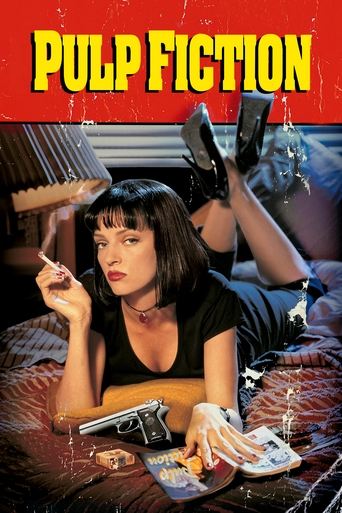
Pulp Fiction (1994)
Another 1990s crime comedy built from digressive dialogue, eccentric criminals and genre play, with a very different, more violent sensibility.
Jump forward
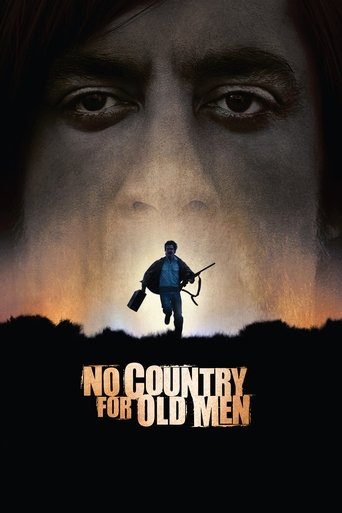
No Country for Old Men (2007)
The Coens return to crime and chance in a bleak register, a useful measure of how far their tone can range.