Documentary · History
The Battle of Chile: Part I
Chilean (La batalla de Chile (Parte 1). La insurrección de la burguesía)
1975 · Directed by Patricio Guzmán · 97 min


Documentary · History
Chilean (La batalla de Chile (Parte 1). La insurrección de la burguesía)
1975 · Directed by Patricio Guzmán · 97 min
Meaning, unpacked
Central idea
The film explores how a democratic experiment is contested, not in one dramatic moment but daily, through shortages, strikes, propaganda and elections. It can be read as a study of how political power is fought over in ordinary life.
What it means
You have just watched a film shot while history was still unfolding. It follows Chile in the early months of 1973, under Salvador Allende's elected government, as opposition and government fight over the country's future. Nobody on screen knows how it ends. That is the point.
The central idea is that a democratic experiment is not lost or won in one dramatic moment. It is contested every day, in shortages, strikes, propaganda and elections. The film asks how far an elected government can change a society when powerful interests refuse to accept the result. Politics appears as ordinary life: queues, markets, factories, mines. And Guzmán gives real time to middle-class and right-wing voices. Their fear and anger become part of the analysis, which makes the film more unsettling than a one-sided argument.
Why it mattered
The film recorded a national crisis as it happened. Guzmán worked with a very small crew from late 1972 to September 1973, planning the shooting like a military campaign, trying to guess where events would break out. Chris Marker, who admired Guzmán's earlier film The First Year, arranged for raw film stock to be sent from France. Without it, they could not have worked at that scale.
The style mattered too. The handheld camera stays close to speakers and crowds, the sound is the real street, and there is little or no credited score. The editing sets rival voices against each other and builds an argument without commentary. That roughness is part of its credibility, and it blends journalism, essay and thriller.
Before anyone tells you what to think: what did you make of it?
Log in to rate it and leave commentsIt takes one click with Google or an email link. You come straight back here.
Rate it, keep your notes, and find the next film.
Free, no ads. Your journal, your lists, a Cine Guide that remembers you.
Create your free spaceAfter the coup, Guzmán was held for about two weeks in Santiago's National Stadium. The footage was secretly sent abroad and the film was finished with Cuban support. Cinematographer Jorge Müller Silva was arrested in 1974 and has been missing ever since, so the film is also a memorial to him. In the mid-1970s it travelled through festivals and solidarity circuits, praised for its immediacy and rigour, though in Chile it could not be shown openly for many years.
It became a model for documentaries that record political conflict from within, and it shaped Guzmán's later work on memory, such as Nostalgia for the Light. Today the trilogy is seen as a founding work of political documentary and a great record of a national crisis, and it is used in teaching on the Allende years and the coup. It was made to keep a record, and it reminds you that evidence can survive even when the people who gathered it do not.
What happens
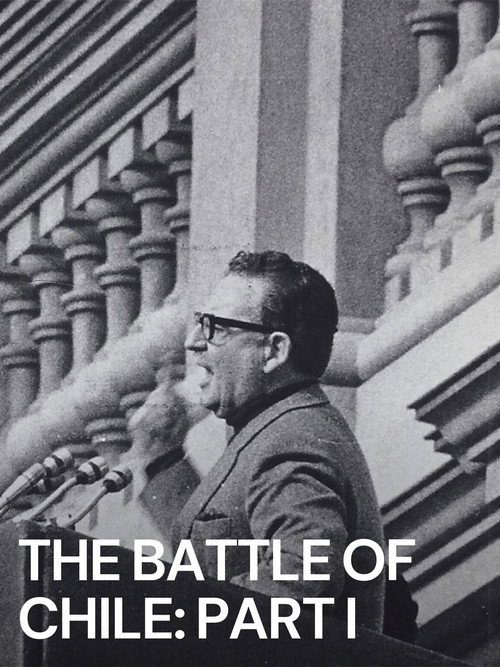
A military revolt in Santiago on 29 June 1973 is put down by loyal troops, and Allende addresses a crowd. Cameraman Leonardo Henrichsen is shot dead while filming. The crisis is not over; the film stops with the country still divided.
The last image
Allende speaks to a crowd after the revolt is crushed, with the country's conflict still unresolved.
What it says
The ending refuses to resolve anything because nothing was resolved. The film is meant to record a struggle still unfolding. Watching it, you know what came next, and that knowledge is why Part I closes on unease, not victory.
Or follow an idea from this film

Continue the director
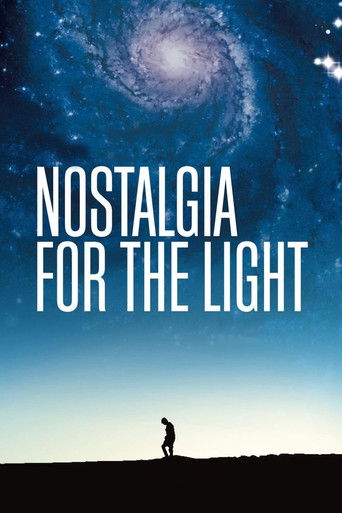
Nostalgia for the Light (2010)
Guzmán returns to Chile's history with a quieter, poetic approach, linking astronomy, the Atacama desert and the search for the disappeared.
Compare another approach
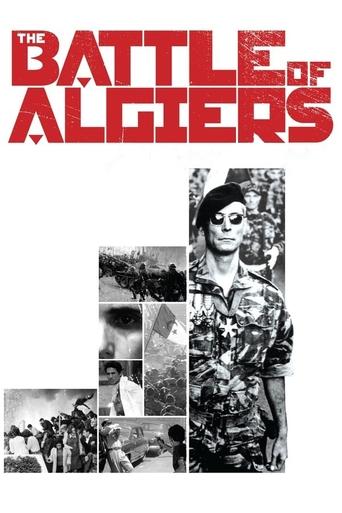
The Battle of Algiers (1966)
A fiction film shot to look like a newsreel about a political struggle. It makes a good contrast between staged and real footage of conflict.
See what influenced it
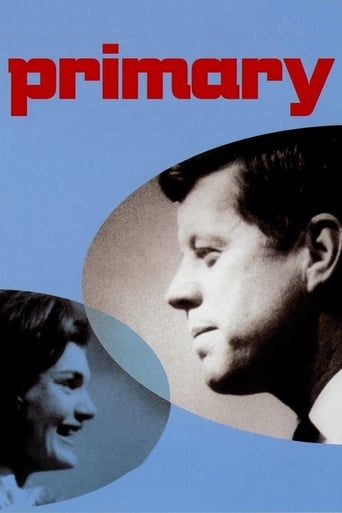
Primary (1960)
An early direct-cinema film that follows a political contest with a handheld camera, showing the roots of Guzmán's observational style.
Explore the era or movement
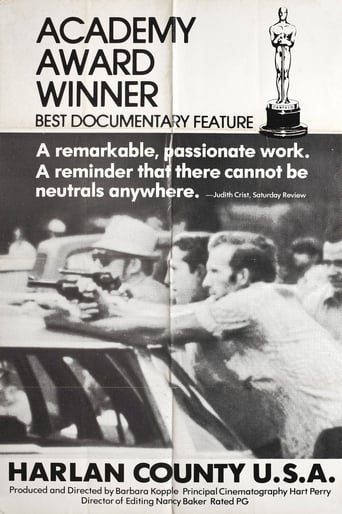
Harlan County U.S.A. (1976)
Another committed documentary from the same decade, following a miners' strike with close access and clear sympathies.