Drama · War · History
The Battle of Algiers
Italian (La battaglia di Algeri)
1966 · Directed by Gillo Pontecorvo · 122 min


Drama · War · History
Italian (La battaglia di Algeri)
1966 · Directed by Gillo Pontecorvo · 122 min



Meaning, unpacked
Central idea
The film examines how an occupation, an insurgency and a counterinsurgency feed one another, and how both sides justify violence. It can be read as a study of method rather than of heroes: organisation, terror and information.
What it means
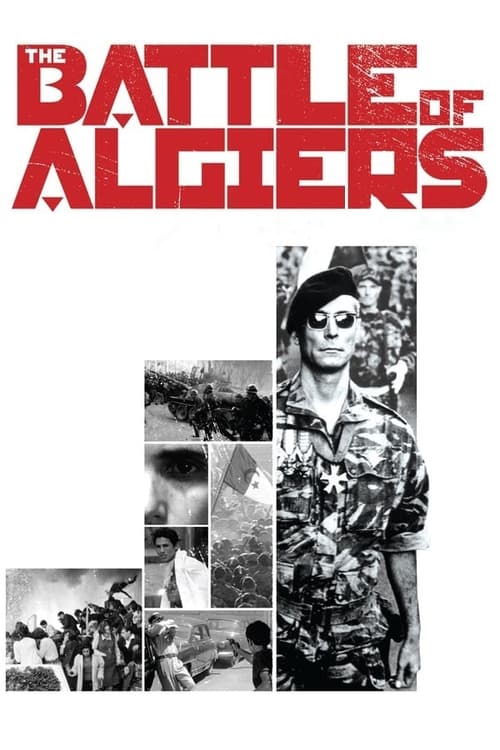
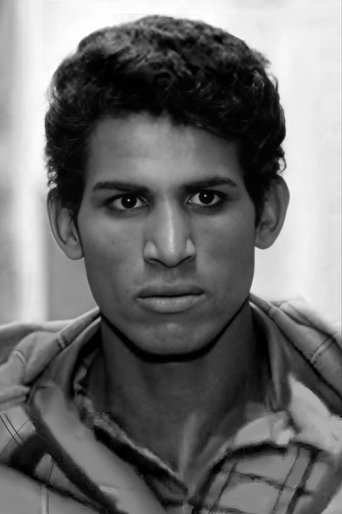
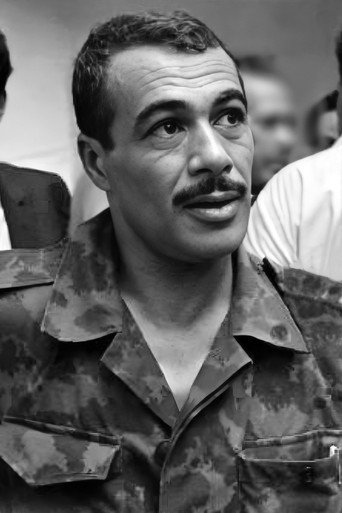
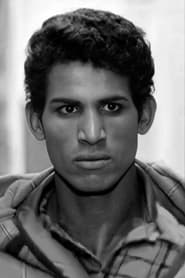
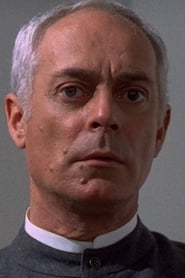
This is a film less about people than about a method. Its central idea is that occupation, insurgency and counterinsurgency feed one another, and that each side justifies its violence in its own terms. The FLN's bombs and the army's interrogations are both shown as policy, not accident. A petty criminal, Ali la Pointe, is drawn into the fight against French rule in Algiers, while Colonel Mathieu is sent to break it.
Information is the quiet engine. Informers, secret cells and the colonel's charts all serve one contest: who knows whose organisation. The film never lectures you about colonialism. It simply shows how French rule shaped the Casbah, and how that structure helped create the revolt. Ali keeps raising the question of what one person counts for. By the end the organisation is destroyed, yet the crowds fill the streets. Military success, the film suggests, may not settle a political question.
Why it mattered
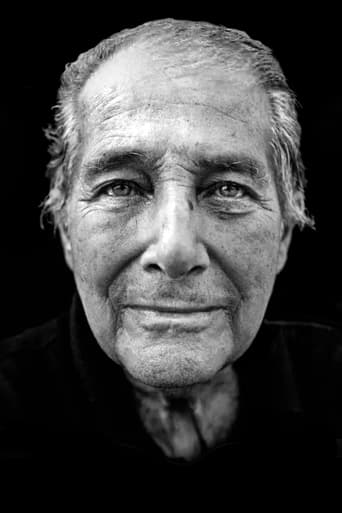
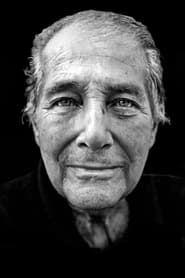
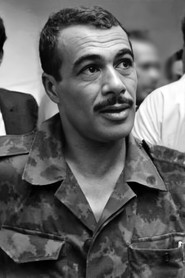
The footage looks like newsreel, but everything was staged, and a title card says so. Pontecorvo and cinematographer Marcello Gatti built the look with grain, long lenses, shaky framing and rough processing. Most of the cast were non-professionals found locally, many of whom had lived through these events. Saadi Yacef, a former FLN commander in Algiers, plays a version of himself. Large crowds in the narrow streets of the Casbah are choreographed with a documentary's clarity and a fiction's planning.
The film also stood out for its balance. Algeria backed it, yet Colonel Mathieu is given coherent arguments, and the film shows FLN violence against civilians. It won the Golden Lion at Venice in 1966. In Algeria it was celebrated as a national film, while in France it was effectively kept from view for years.
Before anyone tells you what to think: what did you make of it?
Log in to rate it and leave commentsIt takes one click with Google or an email link. You come straight back here.
Rate it, keep your notes, and find the next film.
Free, no ads. Your journal, your lists, a Cine Guide that remembers you.
Create your free spaceIts handheld, newsreel-like staging shaped political thrillers and modern war films, from Costa-Gavras to Paul Greengrass and Kathryn Bigelow. It has been screened in military and policy settings as a study of urban insurgency. After 2001, commentators kept citing the colonel's defence of harsh methods in arguments over torture and intelligence. Stories of groups like the Black Panthers and the IRA studying it are hard to verify, but they show its reputation as a revolutionary primer.
Today its standing has only grown. Film schools teach it for style, and political and military audiences study it for its view of insurgency. It received three Oscar nominations but no wins. Critics now stress its ambiguity as much as its commitment. It does not tell you what to feel. It leaves you holding the question.
What happens
The army blows up Ali la Pointe's hideout in the Casbah, killing him and seemingly crushing the FLN. Two years later, crowds with no leaders flood the streets of Algiers, showing the movement has outlived its organisation.
The last image
Huge crowds fill the streets of Algiers in 1960, shot like a news crew's footage, with no leaders in view.
What it says
The French win every battle yet lose the political question. The camera moves from leaders to the crowd because the film argues that force can destroy an organisation, but not a people's will to be free.
Or follow an idea from this film
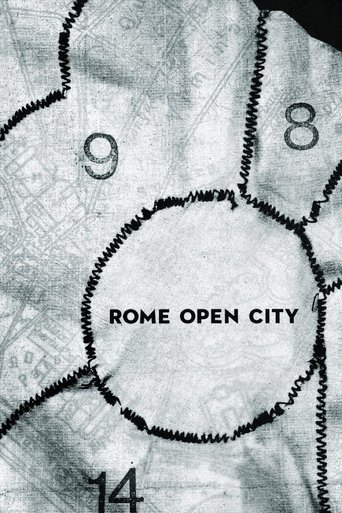

See what influenced it
Rome, Open City (1945)
Rossellini's resistance drama is the neorealist root of Pontecorvo's approach, showing how recent conflict could be staged like reportage.
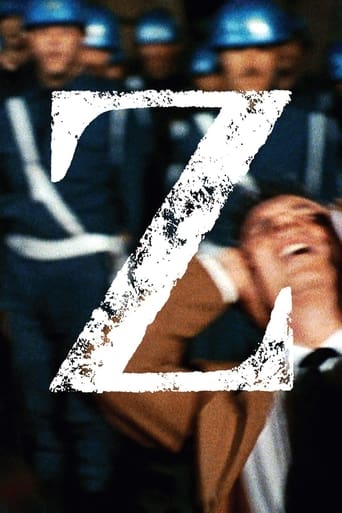
Follow the idea
Z (1969)
Costa-Gavras turns the urgent, journalistic style into a political thriller about a state cover-up, a close cousin of Pontecorvo's method.
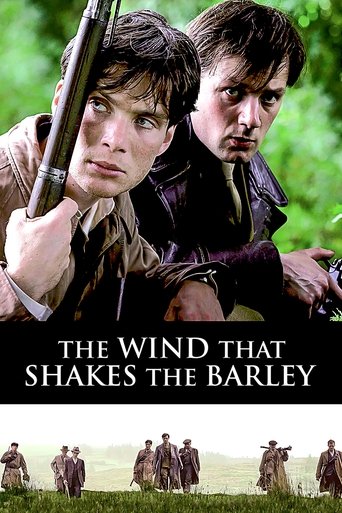
Compare another approach
The Wind That Shakes the Barley (2006)
Another film about an anti-colonial insurgency, which also traces how a struggle for freedom leads to violence and division.
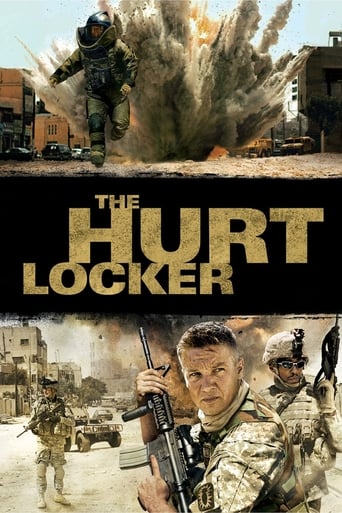
See its influence
The Hurt Locker (2009)
A modern handheld, observational portrait of a conflict that inherits the immediacy of Pontecorvo's style.

Follow the idea
Missing (1982)
Another political drama that examines a state's use of force and the cost to individuals, in a very different register.