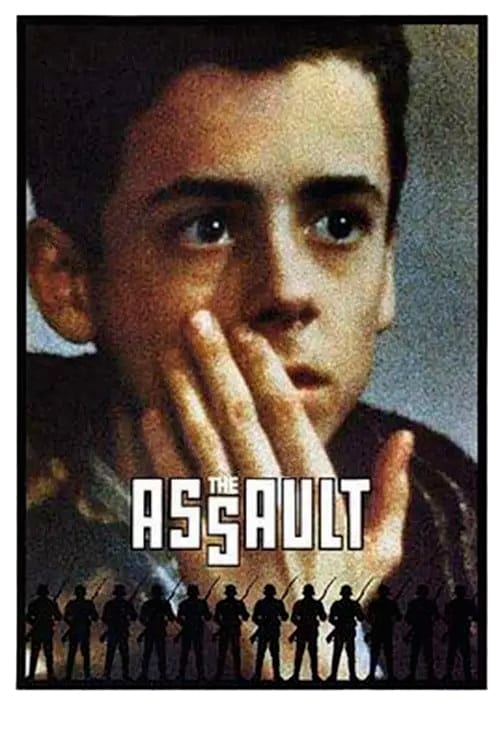
War · Drama · Thriller
The Assault
Dutch (De Aanslag)
1986 · Directed by Fons Rademakers · 144 min


War · Drama · Thriller
Dutch (De Aanslag)
1986 · Directed by Fons Rademakers · 144 min




Meaning, unpacked
Central idea
The film explores how a single act, and the choices around it, can define a life, and how truth arrives in fragments that never quite restore peace. It can be read as a study of memory, guilt and the limits of blame.
What it means
The Assault asks a question that sounds simple: who is to blame for what happened that night? Then it makes sure you cannot give a clean answer. It is January 1945 in occupied Haarlem. A killing takes place near a boy's home, German reprisal follows, and Anton survives. Over the years he meets the people connected to that night, and each gives him a new fact and a new moral complication. Everyone near the killing had a reason for what they did, so no one person is simply guilty. A family tragedy slowly becomes an investigation of shared guilt.
The film is about how one act, and the choices around it, can define a whole life. Truth arrives in fragments, and it never quite restores peace. Anton turns away from what he cannot bear to examine, and the film shows how an event can live in the mind as absence as much as memory. It is also an uncomfortable look at resistance: acts of defiance have consequences for people who never chose them, and the film asks whether that cost can ever be justified. By the end Anton knows everything, and it does not set him free. Some questions are never closed. They are only carried.
Why it mattered
In its time, the film did something Dutch cinema had rarely done: it looked at the occupation without celebrating it. Instead of the front line, you see a family home and a neighbourhood street, and you are asked what resistance, collaboration and everyday caution cost ordinary people. Its style serves that purpose. The story comes in episodes separated by years, like a puzzle put together slowly by a man reluctant to look. The opening stays close to the boy's limited view, so you share his confusion and see only fragments, just as his family does.
Before anyone tells you what to think: what did you make of it?
Log in to rate it and leave commentsIt takes one click with Google or an email link. You come straight back here.
Rate it, keep your notes, and find the next film.
Free, no ads. Your journal, your lists, a Cine Guide that remembers you.
Create your free spaceThe look and sound are deliberately plain. Theo van de Sande's photography avoids glamour, with winter streets and sober interiors keeping your eyes on faces. Jurriaan Andriessen's score is sparing, letting silence and everyday sound carry the dread. Splitting Anton between Marc van Uchelen as the boy and Derek de Lint as the man shows how the child and the adult stay linked by the same night.
The film won the Academy Award for Best Foreign Language Film, the first Dutch winner, and it brought international recognition to director Fons Rademakers, a central figure in Dutch cinema since the 1950s. It showed that a small national cinema could reach a worldwide audience. It also helped establish a Dutch tradition of questioning heroic stories of the occupation, paving the way for later films about complicity and compromise.
Its reach went beyond cinema. Harry Mulisch's novel is a standard title on Dutch secondary-school reading lists, and the film often accompanies it in the classroom. Today it remains a respected adaptation and a touchstone for Dutch occupation cinema, admired for its quiet seriousness and moral ambiguity. Some viewers find the pace slow, and the episodic form more literary than cinematic.
What happens
Anton, now a doctor with a family, finally learns the whole truth about that night. No single person is to blame: fear, chance and moral compromise all played a part. He gets his answers but no verdict.
The last image
The film closes on a quiet gesture of remembrance, with no verdict and no relief for Anton.
What it says
Knowing the facts is not the same as being at peace. The film ends quietly because blame is scattered among many people, and some questions are never closed. They are only carried.
Or follow an idea from this film
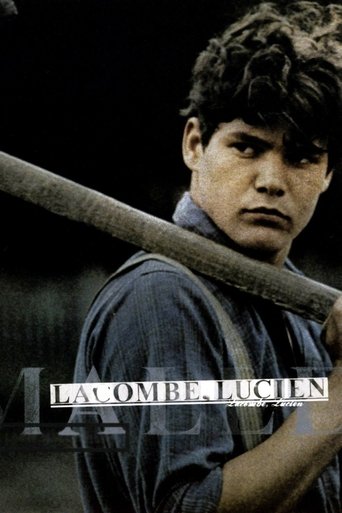

Compare another approach
Lacombe, Lucien (1974)
Louis Malle's film also refuses a simple moral picture of occupied life, following a young man whose choices are shaped by circumstance and ambiguity.

Follow the idea
Forbidden Games (1952)
A war story seen through a child's eyes, it shows another way cinema handles innocence and violence.
Follow the idea
Night and Fog (1956)
A short documentary about how the past is remembered and how places conceal what happened in them, which echoes the film's concern with memory.
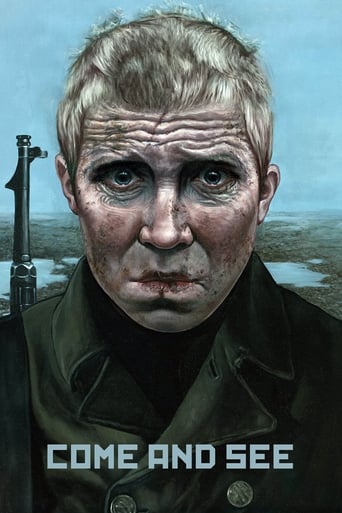
Explore the era or movement
Come and See (1985)
Released the year before, this Soviet war film shows a child's view of wartime violence in a far harsher, more expressionistic mode.
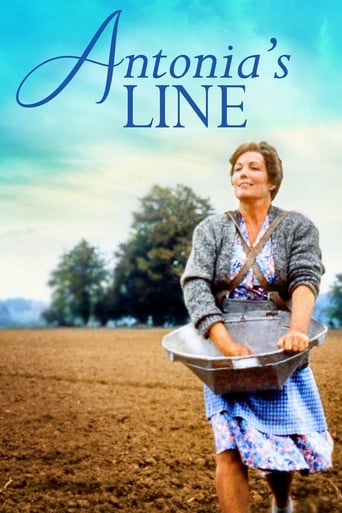
Jump forward
Antonia's Line (1995)
The next Dutch film in your list to win the foreign-language Oscar, a warmer, more fable-like treatment of postwar Dutch life.