Documentary · History
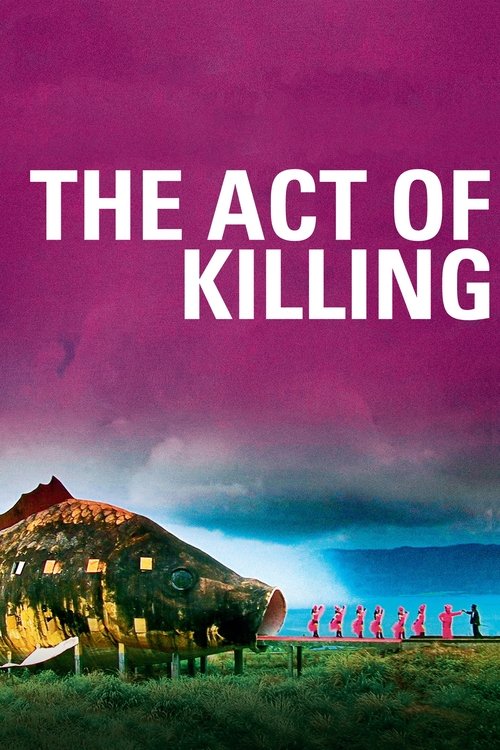
The Act of Killing
Danish
2012 · Directed by Joshua Oppenheimer · 159 min


Documentary · History
Danish
2012 · Directed by Joshua Oppenheimer · 159 min


Meaning, unpacked
Central idea
The film can be read as an inquiry into how killers live with their acts: through stories, borrowed images and an audience that never demands an accounting. It also asks what happens when those stories are staged and watched.
What it means
Men who took part in the Indonesian killings of 1965 and 1966 are invited to reenact their deeds in any film style they like. The film asks how killers live with what they did. They do it through stories, borrowed images, and an audience that never demands an accounting. Then it asks what happens when those stories are staged and the men must watch them back.
Their language is American cinema: gangsters, westerns, musicals. Each style a man picks shows how he wants to be seen, and how far that is from what he did. Other themes run underneath: impunity, since these men are honoured; propaganda, since a story that made communists into villains justified the killing; and normality, since violence sits beside jokes, costume fittings and television appearances. The ending, Anwar's wordless physical reaction, is left for you to interpret. It may be conscience, memory or shock.
Why it mattered
Oppenheimer gave the men control of the scenes, then filmed the process: rehearsals, makeup, playback. You watch the men watching themselves, while screens and monitors keep cutting back to the real locations. The film began elsewhere, with survivors. When the authorities obstructed that work, survivors suggested approaching the perpetrators.
It also turned the reenactment from a way of illustrating the past into a way of examining the people who stage it. It stands beside Shoah and The Thin Blue Line in a lineage of documentary that challenges its own evidence. Comedy, kitsch and dread sit side by side, and the film rarely tells you how to feel. Any laughter you feel at moments that should not be funny is where the unease comes from.
Before anyone tells you what to think: what did you make of it?
Log in to rate it and leave commentsIt takes one click with Google or an email link. You come straight back here.
Rate it, keep your notes, and find the next film.
Free, no ads. Your journal, your lists, a Cine Guide that remembers you.
Create your free spaceThe film premiered at Telluride in 2012 and was widely praised. Critics called it extraordinary and disturbing. Some questioned whether it gave the men too much space. It won major documentary prizes, including the BAFTA, and earned an Oscar nomination for Best Documentary Feature. Werner Herzog and Errol Morris joined as executive producers, which helped it reach festivals and audiences.
It helped normalise perpetrator-centred documentary and formal experiment in films about atrocity, and it sparked debate about the ethics of reenactment. In Indonesia it spread through informal and community screenings, reopening talk of a long-taboo subject. Today it is regarded as one of the most important documentaries of the century and is taught in courses on documentary, genocide and human rights. For more, watch The Look of Silence (2014), which views the same events through a survivor's family.
What happens
Anwar returns to the rooftop where he killed and, after watching himself on screen, gags and retches again and again. The film cuts there, then rolls credits filled with anonymous names. It reveals a body reacting where words fail.
The last image
Anwar on the rooftop, doubled over and retching, with nothing said, before the credits list crew members as Anonymous.
Three readings
What it says
The ending refuses easy redemption. After the fantasies and applause, one unscripted reaction is all you get, and what it means is left to you. The anonymous credits remind you the danger, and the silence around it, is still present.
Or follow an idea from this film

Follow the idea
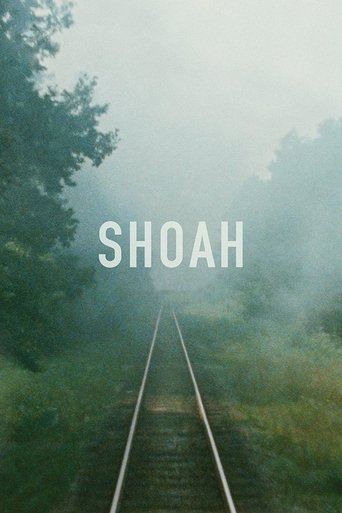
Shoah (1985)
Another documentary built on people speaking about a mass killing, including perpetrators. Its restraint contrasts with Oppenheimer's theatricality and shows two ways of confronting atrocity.
See what influenced it
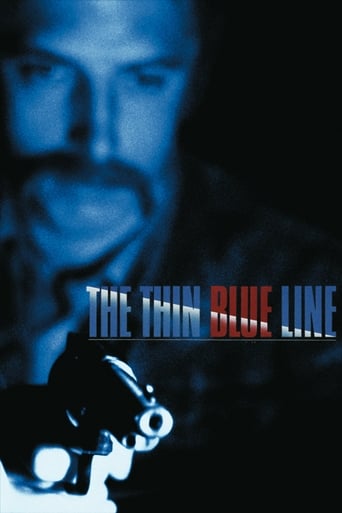
The Thin Blue Line (1988)
Errol Morris's use of stylised reenactments shows an earlier way of using staging to question the truth of testimony.
Compare another approach
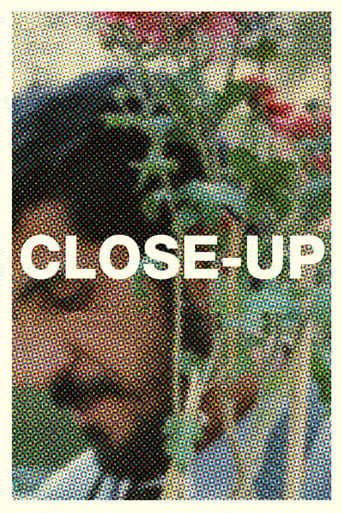
Close-Up (1990)
Real people play themselves in a staged retelling of a real event, with very different stakes and tone. It is a good comparison for the blur between fiction and fact.
Jump forward
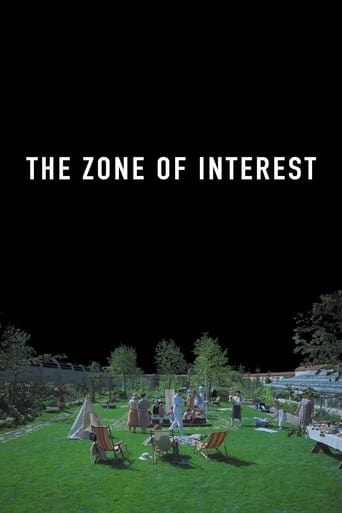
The Zone of Interest (2023)
A fiction film that examines complicity and normality in the Holocaust by observing domestic life, with no direct depiction of violence.

Follow the idea
Night and Fog (1956)
Alain Resnais's short documentary on the Nazi camps is an early model for a film that tests how images can represent atrocity.