Drama
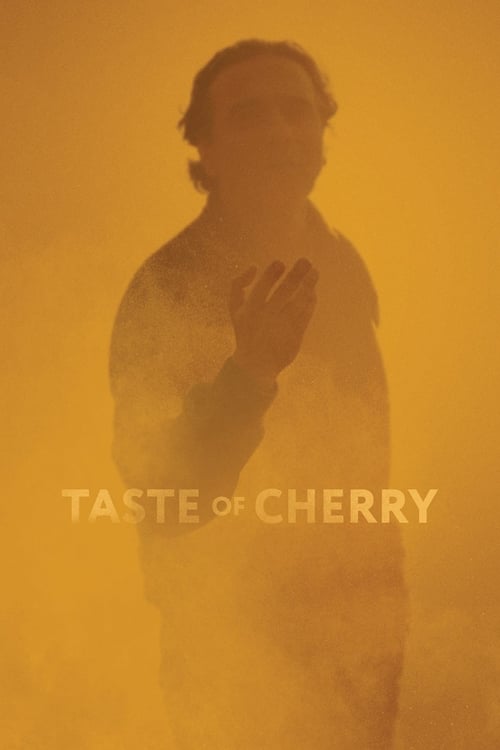
Taste of Cherry
Iranian (طعم گيلاس)
1997 · Directed by Abbas Kiarostami · 99 min


Drama
Iranian (طعم گيلاس)
1997 · Directed by Abbas Kiarostami · 99 min



Meaning, unpacked
Central idea
The film can be read as an inquiry into whether a life can be justified from outside, and into what, if anything, one person owes another, told with deliberate restraint.
What it means
A man drives a Range Rover through the dusty hills at the edge of Tehran, looking for someone to help with a request tied to his wish to die. That is all the plot you need. The film is really about the question underneath it: can a life be justified from the outside, and what does one person owe another?
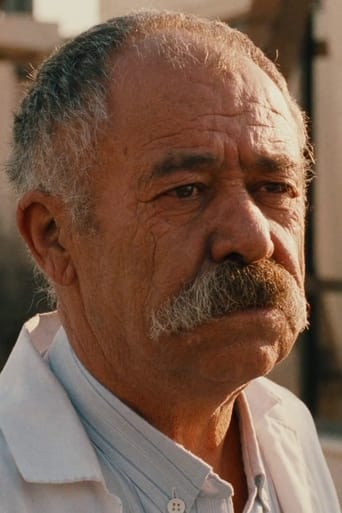
You never learn why Mr. Badii is in despair, and that is the point. Each passenger answers as who they are, shaped by religion, class and duty. The seminarian offers doctrine against private suffering, which turns the film into an ethical debate. The old taxidermist tells of his own despair, and of the cherries. He offers no solution, only taste, light and the morning, a plain human reason to keep going. That is the idea behind the title. Nobody in the car can answer for Badii, but each, by listening or refusing, shows what it means to be answerable to a stranger.
Why it mattered
Kiarostami built the film from almost nothing: a car, a landscape, and the same request returning again and again. The sameness is deliberate, making small differences between the responses stand out. Long, often still takes from inside or beside the car turn it into both a confessional and a cage. There is no score, only wind, dust and construction noise.
He cast people with little acting experience and directed with minimal rehearsal, so the talk feels hesitant and unforced. Homayoun Ershadi, who plays Badii, was not primarily an actor, and his reserved presence suits a man whose reasons stay hidden. Kiarostami often sat in the car or beside it, shaping conversations on the spot, a method that fed into his later film Ten. Suicide was a delicate subject in Iran, and the film's silence on Badii's reasons helped it exist within the rules while suiting Kiarostami's taste for ambiguity.
Before anyone tells you what to think: what did you make of it?
Log in to rate it and leave commentsIt takes one click with Google or an email link. You come straight back here.
Rate it, keep your notes, and find the next film.
Free, no ads. Your journal, your lists, a Cine Guide that remembers you.
Create your free spaceAt Cannes in 1997 the film divided the audience, with some reportedly jeering and others applauding. It shared the Palme d'Or with Shohei Imamura's The Eel, and it was the first Iranian film to win the festival's top prize. It helped make Kiarostami the best-known face of post-revolution Iranian cinema abroad. Abroad it was later widely praised; in Iran it was controversial and less widely seen.
Its example can be traced in later festival cinema, such as Jafar Panahi's Taxi, and in the slow-cinema tradition. It is often cited for treating a man's wish to die without judgment. The grainy video ending, set to "St. James Infirmary Blues", is still debated. Some call it a mistake or a budget shortcut, but it was a deliberate choice, exposing the film as a made thing and handing the question back to you. Today it is seen as one of Kiarostami's central works and a key film of 1990s world cinema. What once looked austere now reads as emotional precision, and it is a classroom staple for ambiguity, ethics and the line between fiction and documentary.
What happens
Badii lies down in the hole at dusk, thunder sounds, and the screen goes black. Then grainy video shows Kiarostami's crew and soldiers resting in spring, Badii walking among them. We never learn whether he lived or died.
The last image
Grainy video of the crew and soldiers resting on a spring hillside, with the actor who plays Badii walking among them.
Three readings
What it says
The ending won't explain Badii because the film was never about his reasons. It was about how others answer a stranger. Breaking the illusion reminds you this is a made thing, and leaves the judgment with you.
Or follow an idea from this film

Continue the director
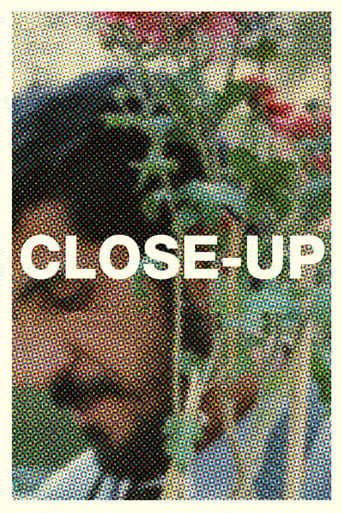
Close-Up (1990)
Kiarostami's most celebrated earlier work, a mix of documentary and reenactment that shows the same interest in what is real and what is staged.
Continue the director
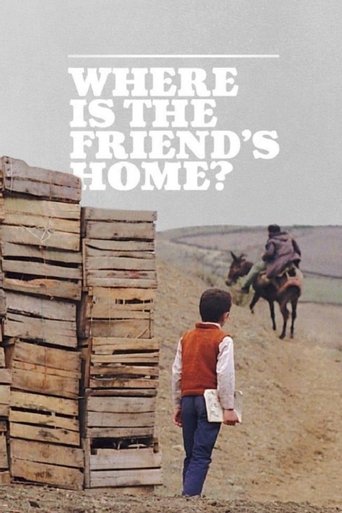
Where Is The Friend's House? (1987)
A gentle, simple quest through a village, and a good way to see the roots of his style and moral concerns.
Follow the idea
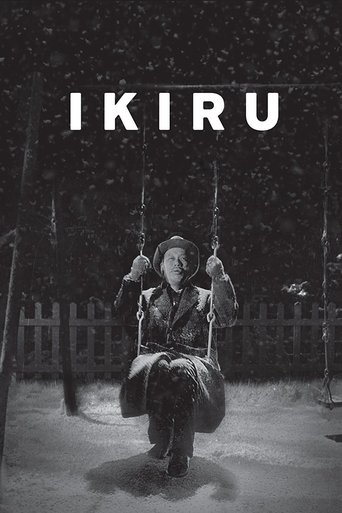
Ikiru (1952)
Kurosawa's story of a man facing death asks how a life can have meaning, and sits in clear dialogue with this film's central question.
Compare another approach
Au Hasard Balthazar (1966)
Bresson's austere, unsentimental style and refusal to explain feelings make a useful comparison with Kiarostami's restraint.
Explore the era or movement
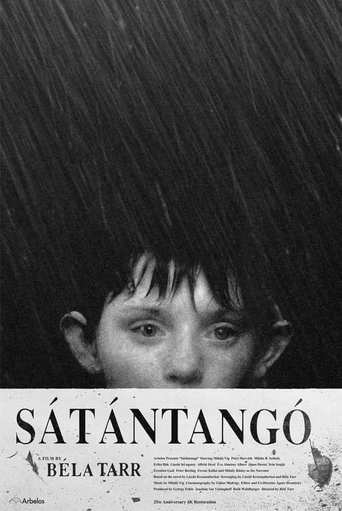
Satantango (1994)
Another 1990s art-house work built on long takes and bleak landscapes, though far more demanding in length and mood.