Music · Drama
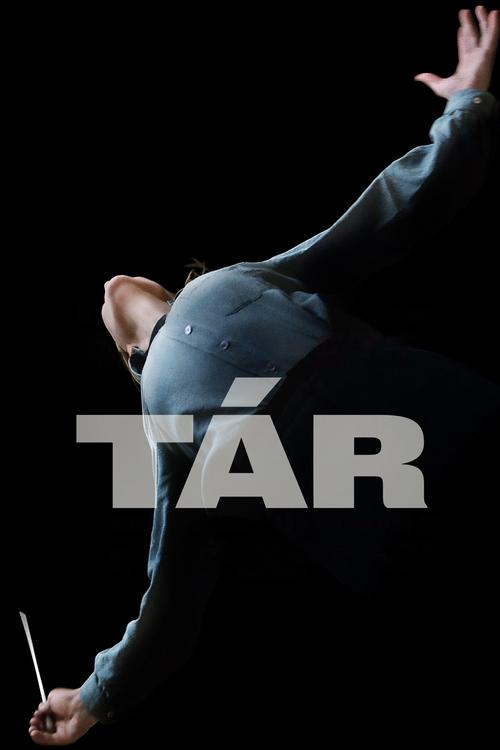
TÁR
American
2022 · Directed by Todd Field · 158 min


Music · Drama
American
2022 · Directed by Todd Field · 158 min











Meaning, unpacked
Central idea
The film can be read as an examination of power and its justifications: how talent, charm, scholarship and institutional status can shield a person from accountability, and how a reputation is both built and dismantled by stories told about someone.
What it means
Lydia Tár is a celebrated conductor whose authority is absolute, until stories about her begin to travel. The film can be read as an examination of how power is justified. Talent, charm, scholarship and status can shield a person from accountability, and a reputation is both built and dismantled by the stories told about someone. Notice how often the film shows power in small decisions: who gets an audition, who sits where, who is allowed in the rehearsal room. Those choices come long before anything reaches a headline.
The film also tests the old question of whether you can separate the art from the artist. The opening interview and the masterclass argue about it in the abstract, and then the story tests the argument on Lydia herself. The masterclass is the hinge: she teaches, charms and dominates, until her rhetoric and her cruelty become hard to tell apart. Field never explains her, and sound blurs music and anxiety, so you can't be sure her mind is as steady as her manner. The last scene leaves the judgement to you. Does her art survive her fall, smaller and changed? Or has she only found a new audience?
Why it mattered
What was new was the film's trust in you. Todd Field withholds backstory and cuts away from key events, so you piece things together from overheard talk, emails and gesture. Monika Willi's editing favours duration and abrupt jumps in time, so the big moments are felt as gaps, not set pieces. Florian Hoffmeister's cold interiors and symmetrical frames match Lydia's control over her world, and then the sound undermines it.
Before anyone tells you what to think: what did you make of it?
Log in to rate it and leave commentsIt takes one click with Google or an email link. You come straight back here.
Rate it, keep your notes, and find the next film.
Free, no ads. Your journal, your lists, a Cine Guide that remembers you.
Create your free spaceIt was also a landmark of 2020s auteur cinema: an original, formally rigorous character study built around one of the great modern screen performances. It was Field's first film in sixteen years. It showed rehearsals, auditions and podium technique with unusual precision, using a real orchestra, the Dresden Philharmonic, and a professional cellist, Sophie Kauer, in her first film role.
Reception was strong from the Venice premiere, and Blanchett's performance drew near-universal acclaim. She won the Volpi Cup there, and the film earned six Oscar nominations: Best Picture, Director, Actress, Original Screenplay, Cinematography and Film Editing. It was controversial too. Some found it cold. Others argued over how it treated accountability, and in the classical world Marin Alsop said she found the premise offensive, while others defended it as a study of power.
It renewed interest in adult, dialogue-driven character studies about powerful and flawed artists, and it showed that an ambiguous moral stance can still reach a wide, argumentative audience. The Juilliard clip circulated widely, with both sides of the cancel culture argument claiming it. Today the arguments about what the film endorsed have given way to appreciation of its craft, and Blanchett's work is often counted among the best of its decade.
What happens
Disgraced and dismissed, Lydia ends up in Southeast Asia, conducting a concert of video game music for an audience in costume. It shows how far she has fallen from the Berlin Philharmonic and Mahler's Fifth.
The last image
Lydia, on the podium before the costumed audience, shows her first reaction to this new setting: she is still a conductor, in a place she never imagined.
Two readings
What it says
The film refuses to tell you what to conclude. By ending on Lydia's changed circumstances, not a verdict, it hands the judgement to you, and keeps asking whether art can be separated from the person who makes it.
Or follow an idea from this film

See what influenced it
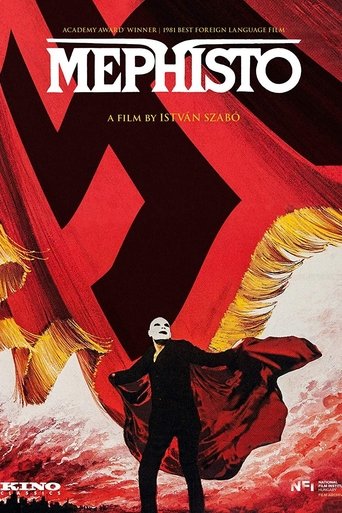
Mephisto (1981)
A gifted performer rises within a powerful institution. Compare how each film connects personal ambition with the structures around it.
Compare another approach
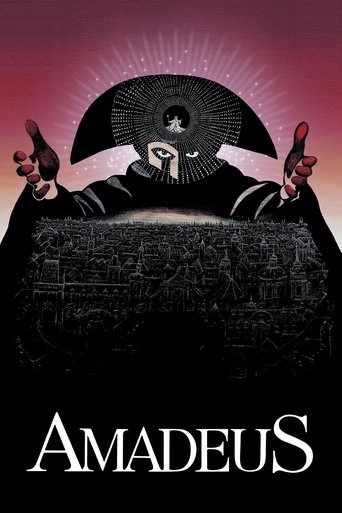
Amadeus (1984)
Another study of musical genius and the people it affects, but more theatrical. It makes a useful contrast to TÁR's controlled coolness.
Follow the idea
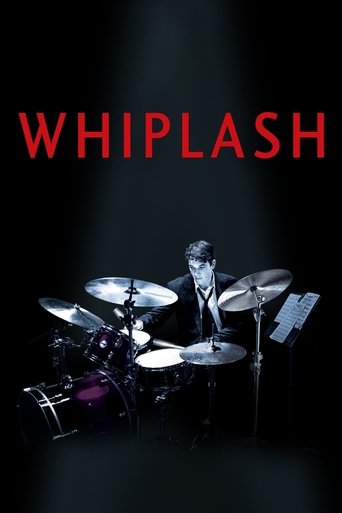
Whiplash (2014)
Explores the same question from a student's side: what an exacting musical teacher demands, and what it costs.

Jump forward
Anatomy of a Fall (2023)
A recent film that shares TÁR's interest in ambiguity, public judgement and a powerful woman whose story is told through competing accounts.
Compare another approach
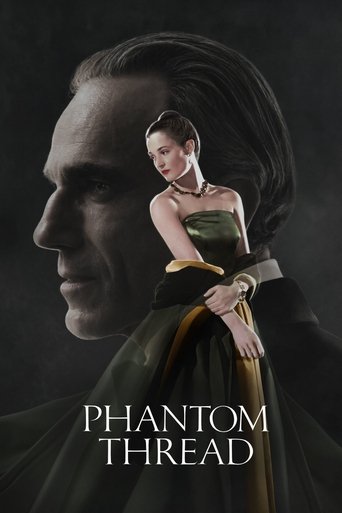
Phantom Thread (2017)
Another controlled portrait of a demanding artist, with exacting craft and a household shaped around one person's genius.