Drama · Romance
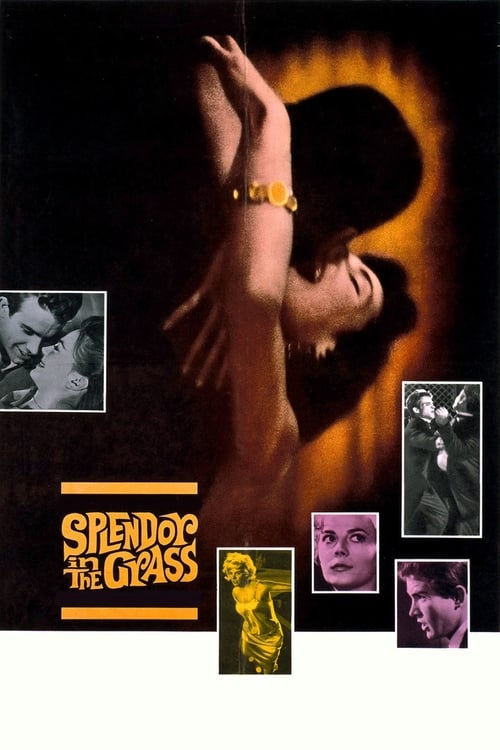
Splendor in the Grass
American
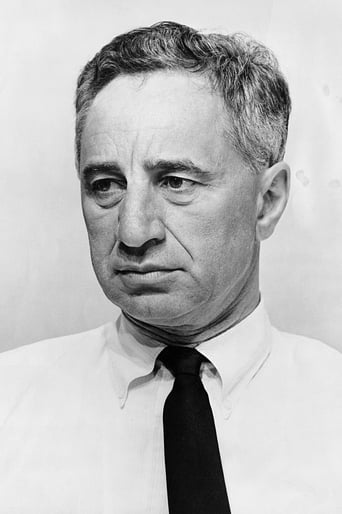
1961 · Directed by Elia Kazan · 124 min


Drama · Romance
American
1961 · Directed by Elia Kazan · 124 min





Meaning, unpacked
Central idea
The film can be read as a study of how love is damaged when it is made to carry other people's fears: about reputation, money and sex. Its young lovers suffer less from each other than from the rules they inherit.
What it means
Splendor in the Grass is about what happens when love is made to carry everyone else's fears: fears about reputation, money and sex. Deanie and Bud suffer less from each other than from the rules they have inherited. Deanie's mother tells her that a good girl does not give in. Bud is told that a boy's urges are natural. The film shows both messages as damaging, and shows how little the parents are really listening. They pour their own hopes and anxieties onto their children, and family standing counts for more than real feeling. Money sits underneath it all: Bud's father, a rich oilman, plans his son's future, and that plan decides what the love is allowed to become.
The film also asks what survives when youthful passion cannot be kept. Think of the classroom scene, where Deanie is asked to recite Wordsworth and her feelings have outrun anything she can say aloud. The poem gives the film its title, and it returns at the end, when Deanie visits Bud and they both know they cannot go back. She drives away, recalling the lines about finding strength in what remains behind. You can read that as defeat, or as a quiet, painful kind of maturity. What is lost does not vanish, and living on is a kind of strength.
Why it mattered
In 1961, a major studio picture was bold to treat teenage desire and sexual repression as a serious subject, rather than a scandal or a joke. William Inge's screenplay, which won the Oscar, builds scenes from long, loaded conversations in which what goes unsaid weighs as much as what is said. Elia Kazan, known for drawing raw, risky performances from his cast, pushed his actors to emotional extremes. The result sits at a turning point in Hollywood melodrama, which was opening up to adult subjects and moving towards the more openly rebellious cinema of the later 1960s.
Before anyone tells you what to think: what did you make of it?
Log in to rate it and leave commentsIt takes one click with Google or an email link. You come straight back here.
Rate it, keep your notes, and find the next film.
Free, no ads. Your journal, your lists, a Cine Guide that remembers you.
Create your free spaceThe film also made smart choices about how to tell its story. It jumps forward in time, so it shows consequences instead of stopping at heartbreak. Boris Kaufman's widescreen colour images keep the characters framed inside houses, schoolrooms and landscapes, so the setting always feels like part of the pressure. And the stock market crash ties the personal story to the wider world: the wealth that shaped Bud's life proves fragile, and it never protected anyone.
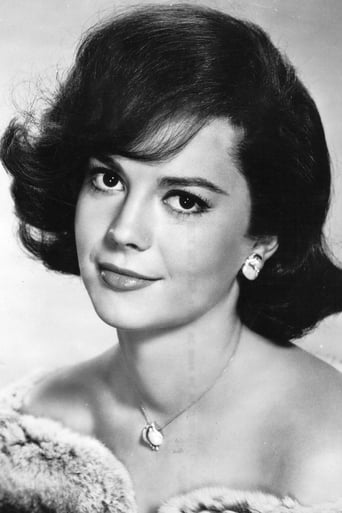
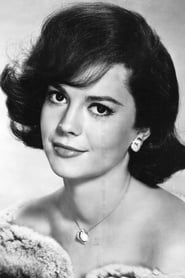
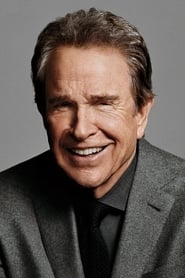
The film helped establish the serious adolescent drama about family pressure and sexual repression, a line that runs through later American films about young people, small towns and the cost of social expectation. It also made stars. Warren Beatty made his screen debut here and was launched as a leading man. Natalie Wood, who had worked since childhood, earned an Oscar nomination and established herself as a serious adult actress. Its title has become a common shorthand for fading youth and first love.
It was a commercial success, praised for its emotional honesty and for Wood's performance, though some critics found it overheated or too theatrical. Its reputation has grown steadily since. Today it is valued as one of Kazan's most humane films and as a vivid portrait of American sexual repression, with Wood's performance and the Wordsworth-linked ending often singled out as its lasting strengths. It is still shown in film and literature courses.
What happens
Deanie, steadier after two years in an institution, is about to start a new life with Bill. She visits Bud, now married and farming, and they both see that what they had cannot be recovered. She leaves.
The last image
Deanie drives away from the farm, recalling the Wordsworth lines about finding strength in what remains behind.
Two readings
What it says
The ending drops melodrama for restraint. Having shown love damaged by other people's fears, the film asks what survives it. Its answer, through the poem, is that loss does not erase what was real, and living on is a strength.
Or follow an idea from this film


Continue the director
On the Waterfront (1954)
Kazan's most celebrated film, with Method-influenced performances and moral pressure, showing the director at the height of his powers.
Compare another approach
West Side Story (1961)
Released the same year with Natalie Wood in the lead, it also tells a young love story under social pressure, but as a musical.
Follow the idea
Romeo and Juliet (1968)
The classic story of young lovers crushed by family and society, filmed with a new generation of actors.
Jump forward
Ordinary People (1980)
A later American drama that treats family pressure and emotional crisis with the same seriousness, and without melodramatic excess.