Animation · Action · Adventure · Science Fiction
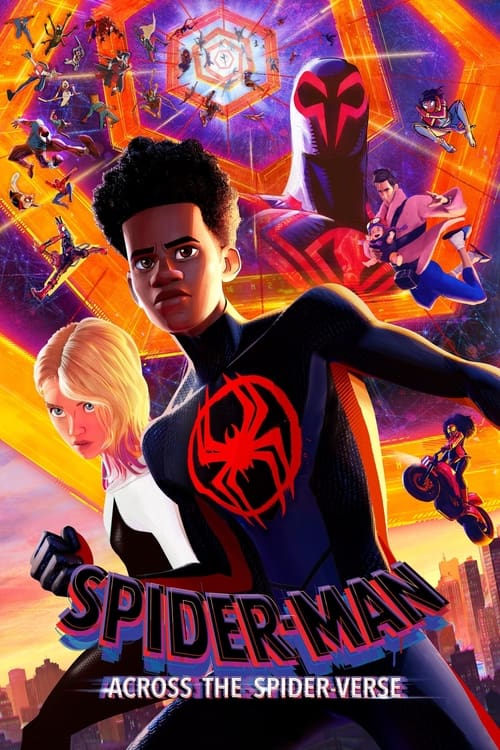
Spider-Man: Across the Spider-Verse
American
2023 · Directed by Kemp Powers & Justin K. Thompson & Joaquim Dos Santos · 140 min


Animation · Action · Adventure · Science Fiction
American
2023 · Directed by Kemp Powers & Justin K. Thompson & Joaquim Dos Santos · 140 min










Meaning, unpacked
Central idea
The film can be read as an argument about identity under pressure: whether a person's story is fixed by a pattern set before them, or can be written by the person living it. Its animation styles make the same point, since every world has its own rules.
What it means
Miles Morales finds a whole society of Spider-people, then runs from it when it tells him how his story must end. Gwen Stacy is his guide and his friend, and the film leaves him in a Brooklyn that is almost his own, but not quite.
Under the action, this is an argument about identity under pressure. Is a person's story fixed by a pattern set before they were born, or can it be written by the person living it? The multiverse gives every Spider-person the same recurring pattern, and the film asks whether that is a law of nature or just a convenient story adults tell. Around that sit smaller questions: belonging that demands conformity, parents whose love and worry shape what their kids can say, a villain who grows out of being overlooked, and who gets to decide what "great responsibility" requires. The film's quiet bet is a hopeful one: a pattern only becomes a destiny if nobody dares to break it.
Why it mattered
It mattered because of how it looks. Every world has its own rules: Gwen's dimension is watercolour, with colour bleeding across the frame as she feels things; Mumbattan has bold, print-like colour; Spider-Punk is torn paper and collage. Style is treated as worldbuilding, not decoration, and the look itself says that no single way of being a Spider-person is the right one.
It is computer animation, not hand-drawn, with hand-drawn linework and textures laid over CG models. Frame rates change to suit each character's movement, so it feels drawn even when the camera moves like a live-action one. Comic-book captions and split frames became screen grammar, and cuts often follow the music. Following Into the Spider-Verse (2018), it pushed studio animation further from the polished Pixar and DreamWorks look.
Before anyone tells you what to think: what did you make of it?
Log in to rate it and leave commentsIt takes one click with Google or an email link. You come straight back here.
Rate it, keep your notes, and find the next film.
Free, no ads. Your journal, your lists, a Cine Guide that remembers you.
Create your free spaceTogether with the first film, it helped encourage studios to take stylistic risks in CG animation. You can see that influence in Puss in Boots: The Last Wish, Teenage Mutant Ninja Turtles: Mutant Mayhem and The Wild Robot. Its multi-style approach became a reference point for animated blockbusters.
Critics widely praised its invention, emotional focus and ambition, and many ranked it above its acclaimed predecessor, though some found the running time and open ending demanding. It earned well over six hundred million dollars after opening in June 2023 and was nominated for the Academy Award for Best Animated Feature. Today it is seen as one of the strongest superhero films and a high point of 2020s animation, often discussed beside Everything Everywhere All at Once as multiverse storytelling with real emotional stakes. Many trans viewers embraced Gwen as trans-coded, and Miles, a Black and Puerto Rican teenager from Brooklyn, reached a far wider audience.
What happens
Miles flees the Spider Society and lands in a Brooklyn that is almost his own, where a different Miles has become the Prowler. He is captured, and Gwen rallies rebel Spiders to rescue him. The film stops there.
The last image
Miles, held captive in that near-identical Brooklyn, faces his Prowler double while Gwen gathers allies to come for him.
What it says
The ending shows Miles refusing the Society's claim that his story is fixed, only to meet a version of himself shaped by that very pattern. It is deliberately a middle chapter: the film was planned as two parts.
Or follow an idea from this film

See what influenced it
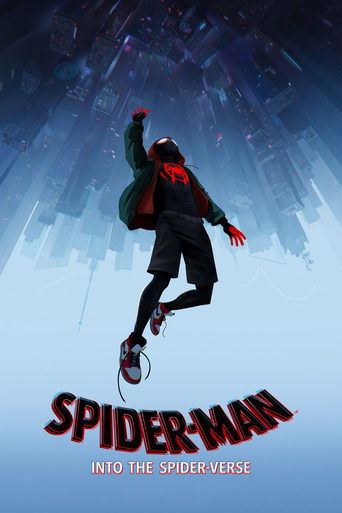
Spider-Man: Into the Spider-Verse (2018)
The first film introduces Miles and the visual rules that this sequel develops. Watching it first makes the sequel's escalation clearer.
Compare another approach
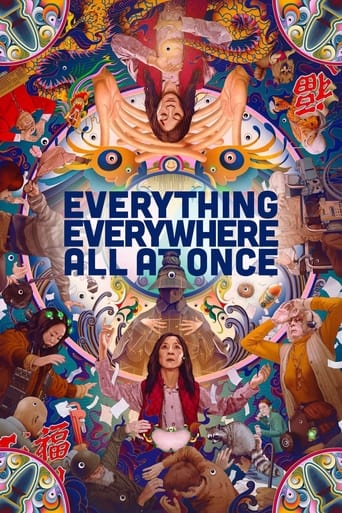
Everything Everywhere All at Once (2022)
A contemporary multiverse story that also uses style shifts and a family drama to explore choice and identity.
Follow the idea
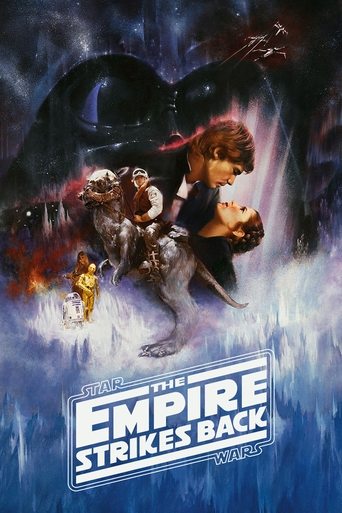
The Empire Strikes Back (1980)
A famous middle chapter that deepens the stakes and ends on an open note, a useful model for how sequels can work.
Jump forward
Avengers: Infinity War (2018)
Another blockbuster built around an unresolved ending and a huge ensemble, for comparing different ways of using the superhero formula.
Explore the era or movement
Toy Story (1995)
The first fully computer-animated feature shows where CG began, and how far the medium's look has moved by 2023.