War · Drama · Thriller
Son of Saul
Hungarian (Saul fia)
2015 · Directed by László Nemes · 107 min


War · Drama · Thriller
Hungarian (Saul fia)
2015 · Directed by László Nemes · 107 min




Meaning, unpacked
Central idea
The film can be read as a study of how a person holds on to a human act, burial, in a place designed to make humanity meaningless. It is equally a reflection on what cinema can ethically show.
What it means
Saul is a prisoner forced to work in the crematoria at Auschwitz in October nineteen forty-four. When he sees the body of a boy he takes to be his son, he sets out to find a rabbi and bury the child properly, while others around him plan an uprising. The film asks how a person holds on to one human act in a place built to make humanity meaningless.
Saul wants a rabbi and the Kaddish, the prayer for the dead. In a system that erases the dead and even their names, this is a stubborn assertion of meaning. But it puts other people at risk, and the film never pretends otherwise. Whether the boy really is his son is left open. Perhaps the need to believe matters more than the fact. The film also refuses easy judgment of the Sonderkommando, forced collaborators in the process, while showing the moral damage it caused. Its lasting question is simple: when you cannot save anyone, what do you owe the dead? Saul's answer is small, and it is nearly impossible.
Why it mattered
Son of Saul is László Nemes's first feature, and it answered a long argument about what cinema can ethically show. Earlier films had made the camps visually legible, and Nemes has described his approach as a response to that. The frame is almost square and filled by Saul's head and shoulders, so you see only what he is prepared to see. Shallow focus keeps him sharp and everything behind him a blur. Bodies and violence are there as shapes, never as things to examine.
What the image withholds, sound supplies. Languages overlap until they become texture, and orders and cries bleed into the background. Long, precisely choreographed takes leave you no refuge, so the day feels continuous and breathless. Géza Röhrig, a poet with little acting experience, plays Saul almost emptied of expression, so small shifts hit hard and there are no sentimental cues. Restraint becomes a moral position. It premiered in competition at Cannes in two thousand fifteen, and audiences fell into a prolonged silence.
Before anyone tells you what to think: what did you make of it?
Log in to rate it and leave commentsIt takes one click with Google or an email link. You come straight back here.
Rate it, keep your notes, and find the next film.
Free, no ads. Your journal, your lists, a Cine Guide that remembers you.
Create your free spaceThe film won the Grand Prix at Cannes, then the Academy Award for Best Foreign Language Film, for Hungary. Critics praised its rigour and its sound. Some argued about whether a thriller structure suited the subject, but even some who disliked it defended it as the most serious recent attempt to rethink the genre.
It renewed the old debate about whether the Holocaust can or should be dramatised, standing against both the Shoah tradition of avoiding fictional reconstruction and more conventional, redemptive dramas. It also drew wider attention to the Sonderkommando. Its subjective, sound-led, non-spectacular method can be seen later in The Zone of Interest. Today it is regarded as a key film of the 2010s and a central reference point for how to depict the Holocaust. If you want to go further, Béla Tarr's The Man from London is a good next step.
What happens
During the revolt, Saul flees into the forest carrying the boy's body, but the river sweeps it away. In a hut he sees a living boy who smiles at him. Soldiers arrive, the boy runs, and shots are heard.
The last image
The boy runs into the trees as gunfire sounds, and the camera stays on the empty forest.
Two readings
What it says
Saul never gets his burial, and the film never confirms the boy was his son. What it offers is the attempt itself, and the smile as the barest sign that his stubborn act of care mattered.
Or follow an idea from this film

See what influenced it
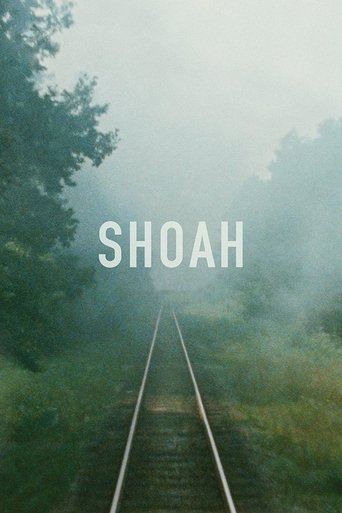
Shoah (1985)
Lanzmann's nine-hour documentary rejects archival images and reconstructions in favour of testimony. It is the intellectual background to Nemes's refusal of spectacle.
Compare another approach
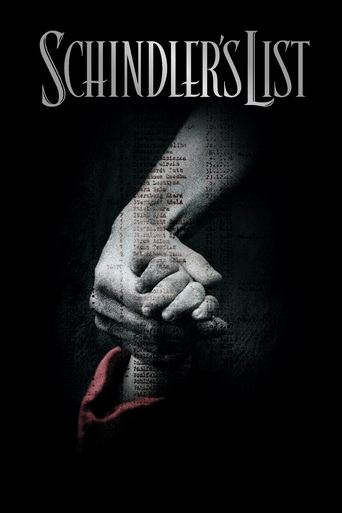
Schindler's List (1993)
A hugely influential, wide-angle and redemptive treatment of the same history. Comparing the two shows the stakes in the debate about how to depict it.
Follow the idea
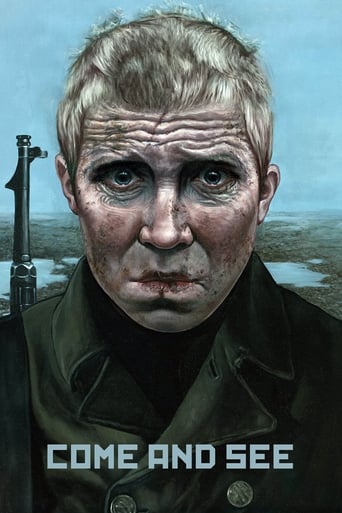
Come and See (1985)
Another film that traps the viewer in one young person's perception of war, using sound and a fixed gaze to convey atrocity.
Jump forward
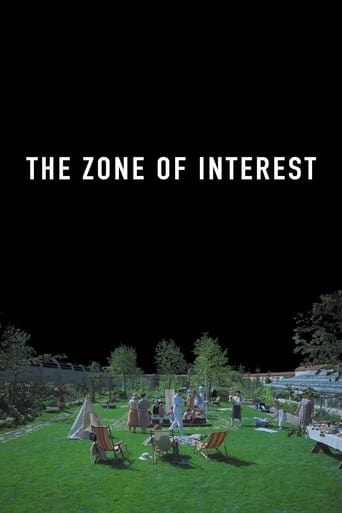
The Zone of Interest (2023)
Takes the idea of sound over image to a new extreme, placing Auschwitz just out of sight and showing how far restraint can go.
See what influenced it
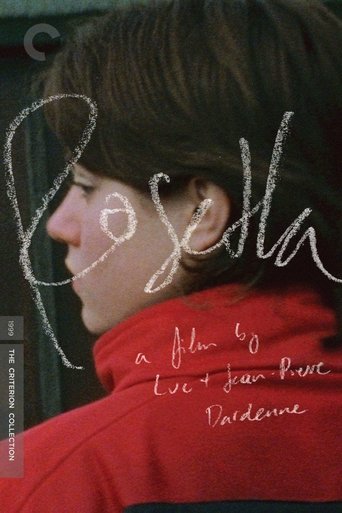
Rosetta (1999)
The Dardennes' handheld camera, tightly following a single driven protagonist, shows the kind of immersive realism that Nemes shapes into a stricter form.