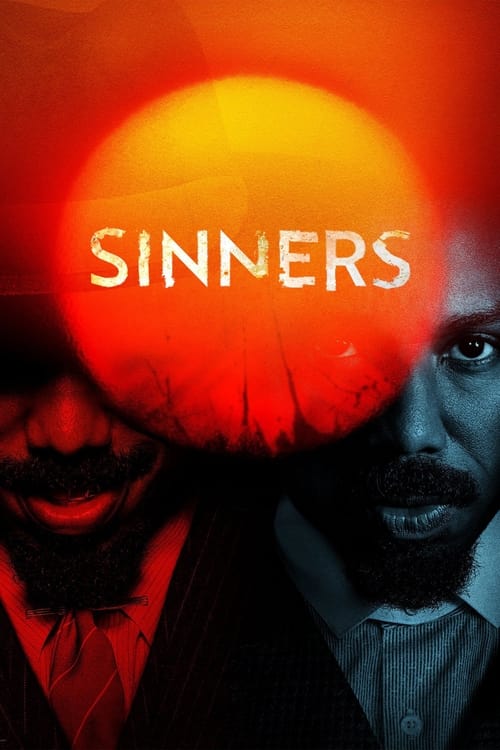
Horror · Action · Thriller
Sinners
American
2025 · Directed by Ryan Coogler · 138 min


Horror · Action · Thriller
American
2025 · Directed by Ryan Coogler · 138 min









Meaning, unpacked
Central idea
The film can be read as a story about who owns Black culture. Music, belonging and spiritual freedom are valuable enough that others will try to consume or absorb them. Coogler stages that fight as horror.
What it means
On the surface, Sinners is a siege story. Two brothers open a juke joint in Mississippi in 1932, and a vampire called Remmick asks to be let in. But one strong reading is that the film asks who owns Black culture. Music, belonging and spiritual freedom are valuable enough that others will try to consume or absorb them, and Ryan Coogler stages that fight as horror.
Notice how many people want something from the Black characters. White landowners want their labour, gangsters want their money, and Remmick wants their talent and their community. The brothers only want a place of their own. Remmick is the sharpest part of the idea: he offers belonging without borders, and the film asks whether acceptance that erases who you are counts as freedom at all. He doesn't only attack. He persuades. Music sits at the centre, the blues as a living, almost supernatural force that connects past, present and future, and makes young Sammie both precious and endangered.
Why it mattered
Sinners is not based on an older film, novel or true story. It is Coogler's original screenplay, drawing on real blues history, life under Jim Crow, folklore and horror traditions. It is also personal, shaped by his bond with his late uncle, a Mississippi native and blues lover. After Black Panther, he reportedly negotiated final cut and eventual ownership, which is rare for a studio original at this budget.
What it showed is how far genre can carry history. Human racism arrives at dawn, hard on the heels of the supernatural threat, a reminder that the deepest horror here is historical and has no easy end. Autumn Durald Arkapaw shot in Ultra Panavision 70 and IMAX 65mm, expensive and cumbersome formats chosen on purpose to give the Delta scale and texture. It makes the case that big, personal, large-format films can still exist inside the studio system.
Before anyone tells you what to think: what did you make of it?
Log in to rate it and leave commentsIt takes one click with Google or an email link. You come straight back here.
Rate it, keep your notes, and find the next film.
Free, no ads. Your journal, your lists, a Cine Guide that remembers you.
Create your free spaceSinners opened in April 2025 to strong reviews and a very successful run, unusual for an original, R-rated film. Critics praised its ambition, its musical sequences, Michael B. Jordan's double performance and its visual scale. A few found the final stretch less focused than the first half. It received sixteen Academy Award nominations, the most for any single film in Oscar history.
It is too early to settle its legacy, but it strengthens the case for original, personal, large-format genre films and for horror that engages directly with history. It has become a main point of discussion for its blues-to-funk-to-hip-hop sequence and as a popular route into conversations about Black Southern history and hoodoo traditions. It is often mentioned alongside Get Out, and many already treat it as one of the defining films of its year.
What happens
Remmick is destroyed, but Smoke dies and the Klan arrives at dawn. Sammie survives and refuses Remmick's offer. Decades later, vampire Stack and Mary offer him immortality, and he chooses to live and die a mortal man.
The last image
The older Sammie, a living bluesman, faces the vampires who have lasted through the decades and sends them away.
What it says
The ending is clear: Sammie keeps his music and his identity by accepting a mortal life. Remmick offered belonging that erased who you are, and Sammie refuses it twice. The film suggests the song belongs to those who make it, and endures through the people they pass it to.
Or follow an idea from this film
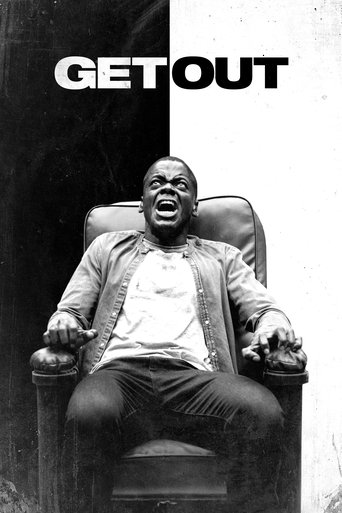

Compare another approach
Get Out (2017)
Another horror film built on racial history and social allegory. Comparing the two shows how differently Peele and Coogler use genre.
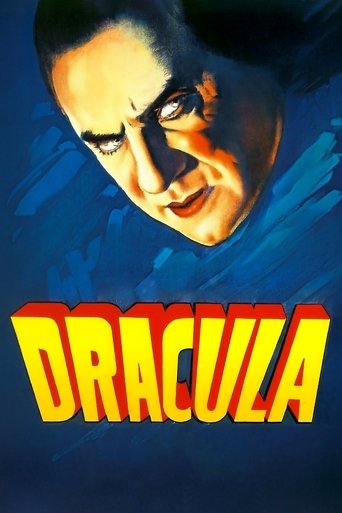
See what influenced it
Dracula (1931)
The film's vampire rules, including the need for an invitation, descend from this foundational screen version of the legend.
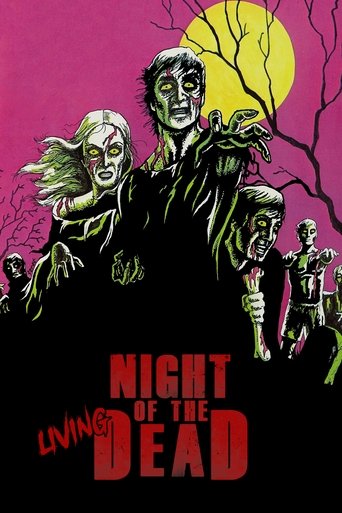
Explore the era or movement
Night of the Living Dead (1968)
An early American horror film that makes social tension central, with a Black protagonist, and shows how horror and politics have long been linked.

Follow the idea
Daughters of the Dust (1991)
A landmark of Black American cinema about memory, tradition and community in the South, with a very different, lyrical tone.
Continue the director
Black Panther (2018)
Coogler's earlier large-scale film, in which the same interest in heritage, community and choice shapes a superhero story.
Coming soon