Loading…


Meaning, unpacked
Central idea
The film can be read as an argument that the genocide can be understood only through the memory of those present, not through images of the dead. Lanzmann treats the past as still alive in places and voices, and speech as an act of reliving.
What it means
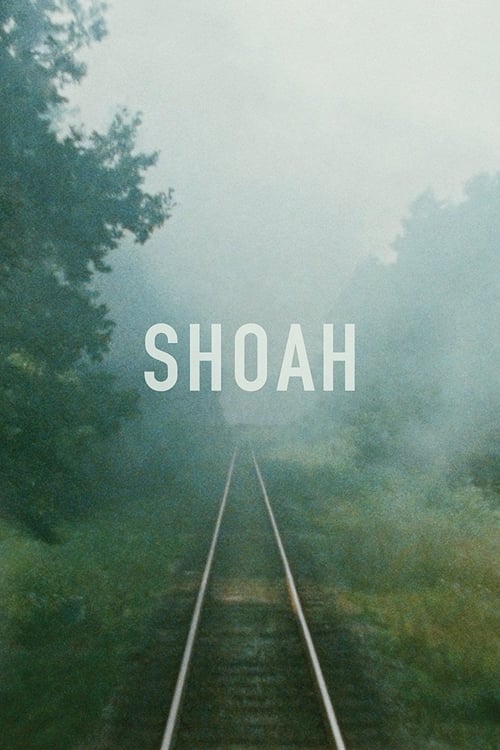
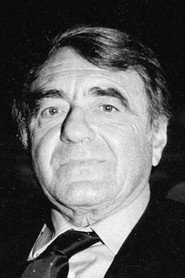
Shoah is nine and a half hours long and contains no archive footage at all. No piles of bodies, no black and white newsreel. Claude Lanzmann gives you only voices, faces and places as they look today: survivors, Polish bystanders, former Germans involved in the killing, all asked to describe in exact detail what happened at the camps and along the railways that fed them.
The film can be read as an argument that this genocide can be understood only through the memory of the people who were there, not through pictures of the dead. Lanzmann saw archive images as a way of explaining the event, and so softening it. A picture can comfort you. He wanted the event to stay unsettling. So the past here is never over: it lives in a field, a station, a voice that starts to shake. Along the way come other themes: bystanders and complicity, killing as timetables and procedure, the way words fail, and ordinary landscape as evidence.
Why it mattered
Rejecting archive footage was a formal and moral decision, not a limitation. It forces you to imagine the event yourself, and it stops any image from standing in for it. There is no chronology either. The film moves between camps, ghettos and countries, returning to motifs, more like music or memory than a timeline.
It also changed what a documentary could look like. Lanzmann stays visible and insistent, translators stay in the frame, and hesitation and resistance are left in as part of the record. Slow travelling shots over roads, rails and forests give you time to set the quiet present beside what you are being told. Editor Ziva Postec, often credited as essential to the film's architecture, shaped about 350 hours of footage over years. It reset the terms for how cinema could represent atrocity, by asking whether it should show it at all.
Before anyone tells you what to think: what did you make of it?
Log in to rate it and leave commentsIt takes one click with Google or an email link. You come straight back here.
Rate it, keep your notes, and find the next film.
Free, no ads. Your journal, your lists, a Cine Guide that remembers you.
Create your free spaceShoah premiered in France in 1985 and was received as a major event, hailed by many critics and intellectuals as a work of extraordinary moral and artistic seriousness. It also drew debate over Lanzmann's methods, his treatment of Polish witnesses and his rejection of archive images. Poland protested officially, accusing it of unfairly presenting Poles as complicit. The title helped bring the Hebrew word Shoah into common use in French and other languages.
Its standing has only grown. It is taught as a key work on memory, testimony and the limits of representation, and the debate over its methods rarely questions its importance. Filmmakers have positioned themselves beside or against it, notably in Son of Saul and The Zone of Interest, and Lanzmann used it to attack later treatments such as Schindler's List. His outtakes are held by the United States Holocaust Memorial Museum, and a restored version came out in 2010.
What happens
Nothing is resolved. After the final testimonies and return visits to now-quiet sites, the film simply stops. There is no summary, no verdict, no comfort, only the sense that the event cannot be neatly closed.
The last image
The film ends not on any single picture but on the quiet ground of the sites themselves, still and ordinary, with the voices of witnesses left in your head.
What it says
Lanzmann refuses a conclusion because he believes the past is not over. It lives in places and in voices that shake. Ending without closure leaves the work of imagining to you, which is exactly what he wanted no image to replace.
Or follow an idea from this film


See what influenced it
Night and Fog (1956)
A short, essential companion that uses archive footage and present-day colour images. Seeing both shows the two opposing ways of confronting the same subject.
Continue the director
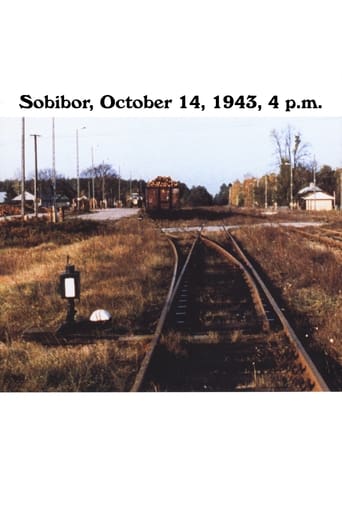
Sobibor, October 14, 1943, 4 p.m. (2001)
Lanzmann returned to the testimony of a survivor of the prisoner revolt at Sobibor, drawn from his Shoah footage, in a focused film.
Compare another approach
Schindler's List (1993)
A dramatised, narrative approach to the same history, which Lanzmann publicly criticised. Comparing them shows the debate about representation.
See its influence
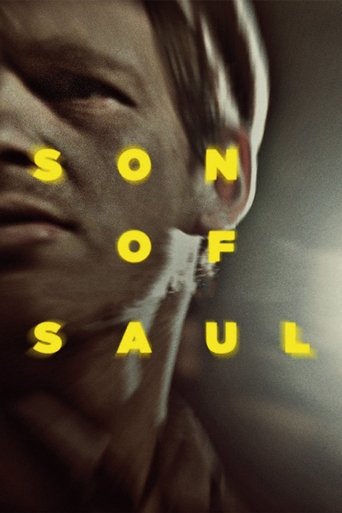
Son of Saul (2015)
A fiction film that follows the logic of limited view and sound, and shows how Shoah's ideas about representation shaped a later generation.
Follow the idea
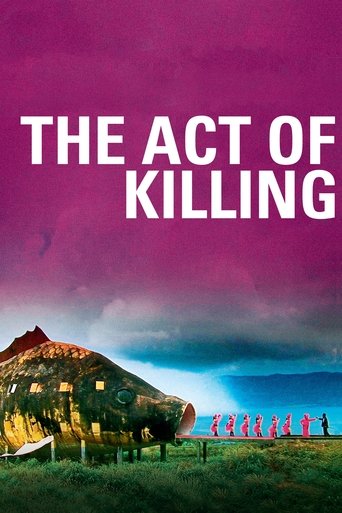
The Act of Killing (2012)
Another documentary about the people who carried out mass killing, in Indonesia, which shows how speech, performance and denial reveal the perpetrators.