Drama · History · War
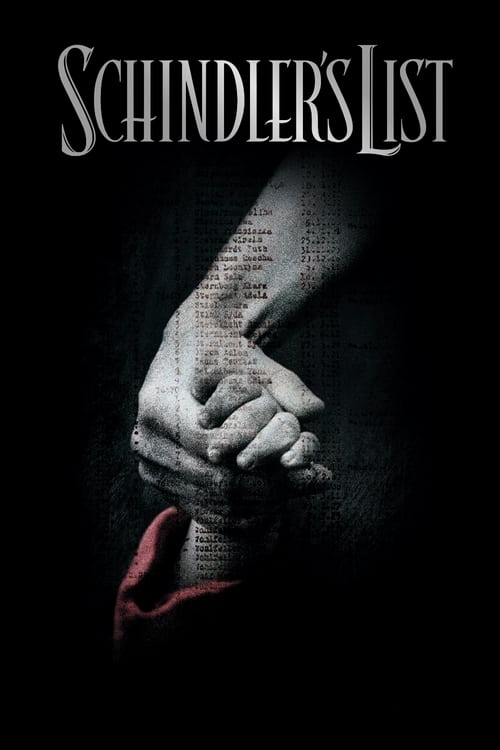
Schindler's List
American
1993 · Directed by Steven Spielberg · 195 min


Drama · History · War
American
1993 · Directed by Steven Spielberg · 195 min









Meaning, unpacked
Central idea
The film explores how moral change can happen unevenly and almost by accident. It can be read as asking how an opportunist becomes a rescuer, and how much one flawed individual can accomplish inside a system built to destroy people.
What it means
Schindler's List asks a hard question and refuses to answer it neatly: how does an opportunist become a rescuer? Oskar Schindler arrives in occupied Kraków looking for profit, and ends up using a list of names to protect the Jewish workers in his factory. But the film's real idea is that moral change can be uneven, almost accidental. Schindler is no saint at the start, and the film leaves room for doubt about when and why he shifts.
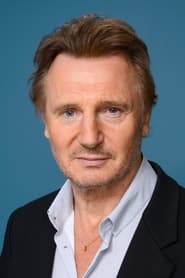
Three things carry that idea. First, paper: lists, ledgers, stamps and permits are the machinery of killing and of survival, and a name on a page can decide a life. Second, power: Ralph Fiennes's Amon Goeth is frightening because he is relaxed, and he becomes an uncomfortable mirror for Schindler, a man with similar appetites. Third, Schindler's breakdown near the end, when the man of charm and control loses both and asks whether anyone can ever do enough. The ending moves from reconstruction to real survivors, perhaps the film's last argument: this was not only a story, and it needs to be remembered.
Why it mattered
When it came out in December 1993, a studio picture was taking on the Holocaust at huge scale, as a three-hour black-and-white drama, and it became a major commercial success. Critics widely praised it. It won seven Academy Awards, including Best Picture and Spielberg's first Best Director.
What felt new was the restraint. Spielberg, the most commercially successful director of his generation, set aside many of his trademarks, like the sweeping crane move. Janusz Kamiński's black-and-white images borrow from newsreel and photojournalism, with hard light and handheld movement, so it feels closer to evidence than polished period drama. John Williams's score is sparing. It showed what a filmmaker can achieve by choosing what not to do.
Before anyone tells you what to think: what did you make of it?
Log in to rate it and leave commentsIt takes one click with Google or an email link. You come straight back here.
Rate it, keep your notes, and find the next film.
Free, no ads. Your journal, your lists, a Cine Guide that remembers you.
Create your free spaceThe film set the template for later mainstream Holocaust and war dramas, notably The Pianist and Spielberg's own Saving Private Ryan. It led Spielberg to found the Shoah Foundation to record survivor testimony. Its 1997 American television broadcast reached an audience far larger than its cinema run, and it became a common classroom text. The girl in the red coat, a single splash of colour, became shorthand for innocence amid mass atrocity, and Williams's violin theme is performed at remembrance events.
Today it is widely taught and often seen as Spielberg's most serious achievement. Questions remain: can Hollywood storytelling represent the Holocaust, and does focusing on a rescuer leave out the victims' own perspectives? Later films such as Son of Saul and The Zone of Interest work partly in dialogue with those doubts, and the debate continues.
What happens
With Germany's surrender, Schindler must flee as a Nazi. The workers give him a ring made from a gold tooth, and he breaks down, saying he could have saved more. The epilogue shows survivors, with the actors, laying stones on his grave.
The last image
In colour, in Jerusalem, survivors and the actors who played them place stones on Schindler's grave, one by one.
What it says
The ending turns from triumph to doubt: the man of charm and control cannot count his success, only what he failed to do. Switching to real survivors insists this was not just a story, and must be remembered.
Or follow an idea from this film
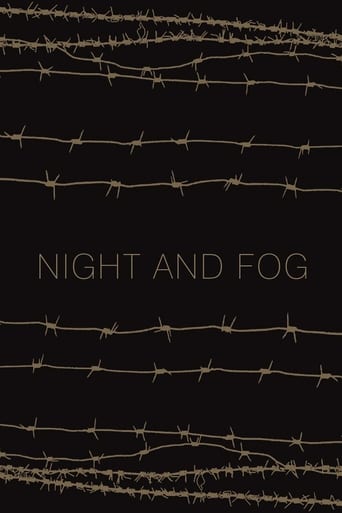

See what influenced it
Night and Fog (1956)
A short documentary about the camps, essential for seeing what the dramatic reconstruction in Schindler's List is built on.
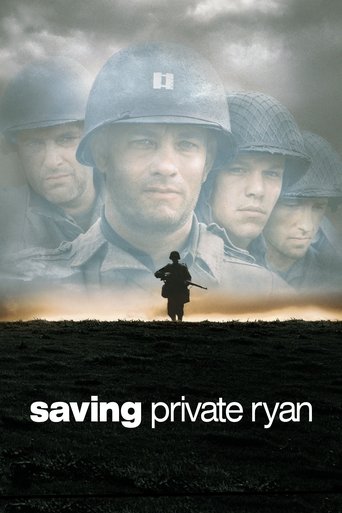
Continue the director
Saving Private Ryan (1998)
Spielberg applies the same documentary-influenced realism to a war film, showing how the approach developed after Schindler's List.
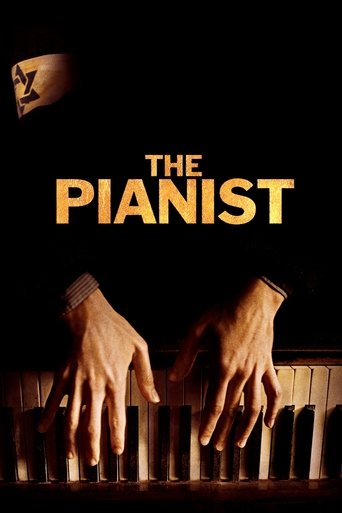
Compare another approach
The Pianist (2002)
Another major Holocaust drama, told from the viewpoint of one survivor in hiding rather than a rescuer.
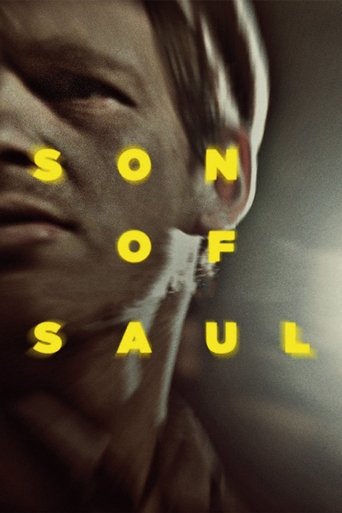
Follow the idea
Son of Saul (2015)
A deliberately narrow, claustrophobic response to the question of how to depict the Holocaust on screen.
Jump forward
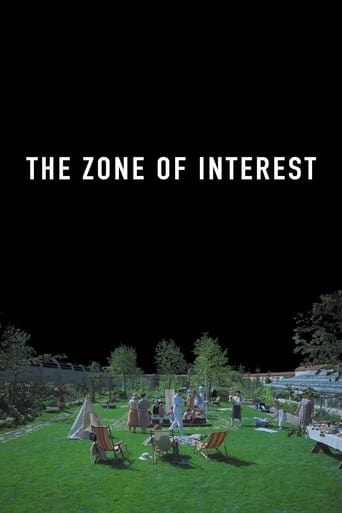
The Zone of Interest (2023)
Shows how far the debate has moved by treating the Holocaust through everyday domestic life and sound rather than depiction.