Horror · Mystery · Crime
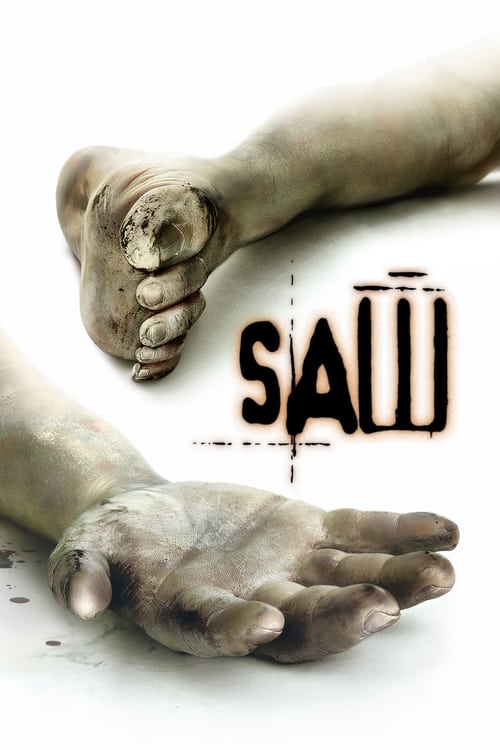
Saw
American
2004 · Directed by James Wan · 103 min


Horror · Mystery · Crime
American
2004 · Directed by James Wan · 103 min
Meaning, unpacked
Central idea
The film can be read as a grim moral experiment: it asks what people do when their lives are put on the scale, and whether a punisher who forces choices through pain is teaching a lesson or excusing his own cruelty.
What it means
At its heart, Saw is a grim moral experiment. Two men wake chained in a filthy bathroom with a body lying between them, and a tape sets out the rules. The film puts people's lives on the scale and watches what they do. Then it turns the question on the man who set the scale up: is Jigsaw teaching a lesson, or excusing his own cruelty?
The themes run through choice, control and watching. Jigsaw says his game teaches people to cherish survival, but the film never settles whether suffering can really create that awareness. He casts himself as a moral teacher, which lets him dodge responsibility for what he does, and you can read the whole film as a critique of that logic. Each victim is handed a decision, and what they do reveals who they are, so innocence turns out murkier than it looks. The traps work like a designer's puzzles: someone writes the rules and everyone else has to play. Cameras, photographs and tapes run through the plot, and you sit in the same position, looking on.
Why it mattered
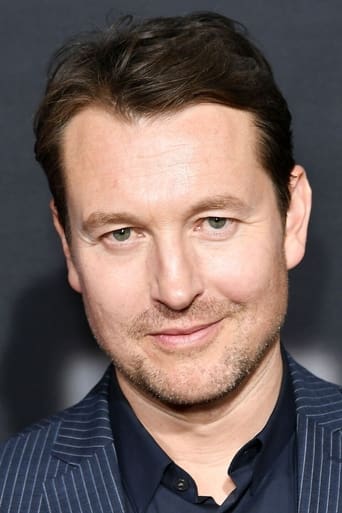
Saw was made small, and that was its identity. James Wan and Leigh Whannell met at film school in Melbourne. They shot a short scene from the script to show investors what the full film could be, and it helped secure the money. Whannell wrote for a tiny cast and one main location because that was all they could afford. The feature was shot in about eighteen days on roughly $1.2 million, then premiered at Sundance in 2004 before Lionsgate released it that October.
The bathroom's tiles, pipes and stains do the work of expensive effects. Jump cuts, fast motion and flash images give the film a nervy rhythm, and they hide the budget too. Charlie Clouser, a former Nine Inch Nails keyboardist, scored it with industrial textures. It showed that a micro-budget independent film, built on a strong idea and tight structure rather than spectacle, could start a whole franchise and help launch the wave of trap-driven horror of the 2000s.
Before anyone tells you what to think: what did you make of it?
Log in to rate it and leave commentsIt takes one click with Google or an email link. You come straight back here.
Rate it, keep your notes, and find the next film.
Free, no ads. Your journal, your lists, a Cine Guide that remembers you.
Create your free spaceCritics were sharply divided. Some admired the ingenuity and low-budget energy, while many objected to the violence, the uneven acting and the plot logic. Audiences turned out in force: it made around $100 million worldwide. A new entry followed almost every Halloween through 2010, and the film became a reference point in the mid-2000s argument over so-called torture porn, a label popularised by critic David Edelstein in 2006. The Billy puppet and the line "I want to play a game" became Halloween staples, Scary Movie 4 spoofed it, and Saw – The Ride opened at Thorpe Park in 2009.
Wan and Whannell went on to Insidious and The Conjuring, and Whannell later directed Upgrade and The Invisible Man. Today the original is often seen as sharper and more restrained than the sequels it spawned. Its reputation for endless gore was built by those sequels and the imitators, since much of the first film's violence is implied or cut away. It leans on dread and a puzzle structure, and it is now admired as resourceful independent horror, even if critics still disagree about its violence and its script.
What happens
The corpse on the floor stands up. He is Jigsaw, and he has been lying in the room the whole time. Gordon has crawled away to find help, and Jigsaw switches off the light and shuts the door, leaving Adam chained inside.
The last image
The door closes and the light goes out, with Adam still chained in the dark bathroom.
What it says
The reveal shows that you, like the characters, were watched and misled the whole time. It also makes Jigsaw the author of every choice, and ending on Adam's confinement leaves you sitting in that locked room with him.
Or follow an idea from this film

See what influenced it
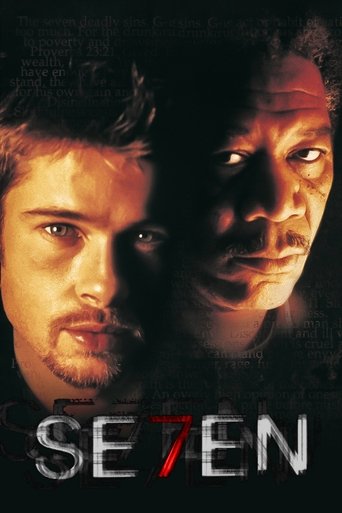
Se7en (1995)
A bleak detective thriller about a killer with a moral agenda. It shows the tone and structure that Saw reworks on a smaller budget.
Continue the director
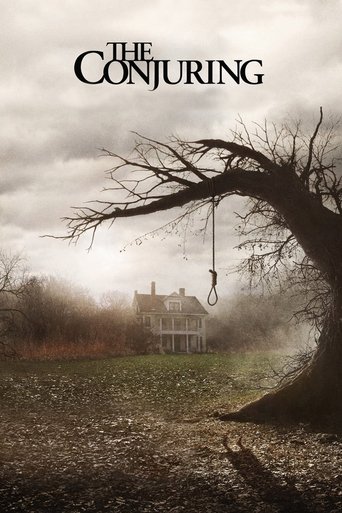
The Conjuring (2013)
James Wan's classical haunted-house film shows how his skill with suspense, camera movement and sound developed after his debut.
Explore the era or movement
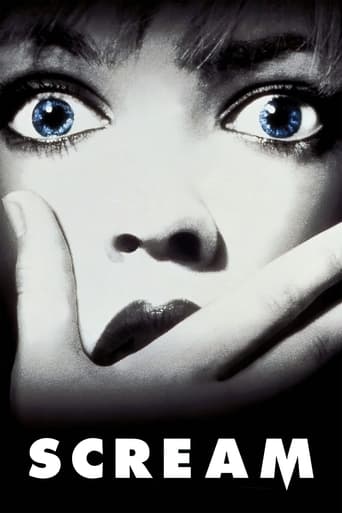
Scream (1996)
The self-aware slasher that shaped the horror landscape Saw arrived in, useful for seeing what Saw rejected.
Compare another approach
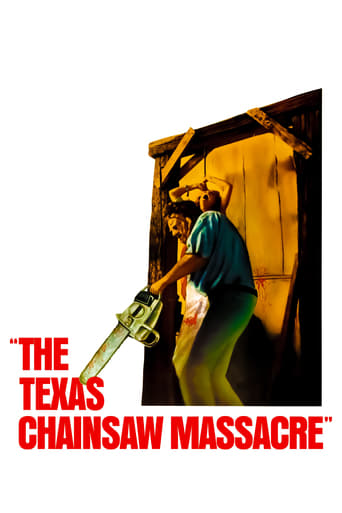
The Texas Chain Saw Massacre (1974)
Another low-budget horror landmark that built its terror through atmosphere and implication, contrasting with Saw's mechanical design.
Jump forward
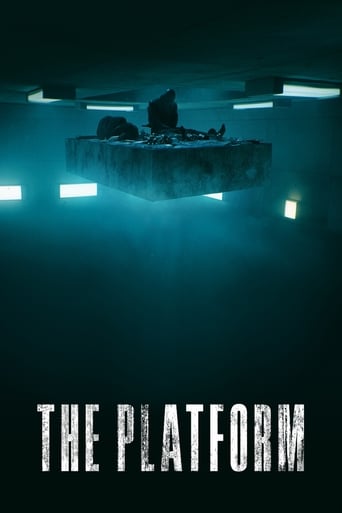
The Platform (2019)
A confined-space thriller in which a rigged system tests the characters' morality, a later cousin of Saw's trap-and-choice premise.