War · Drama · History
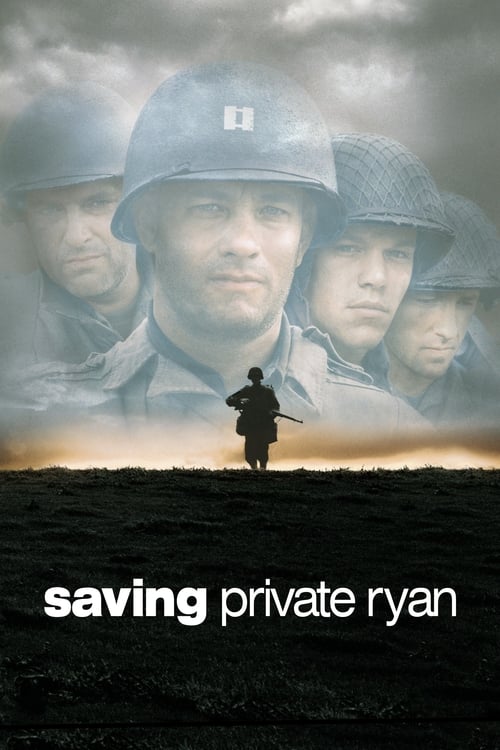
Saving Private Ryan
American
1998 · Directed by Steven Spielberg · 169 min


War · Drama · History
American
1998 · Directed by Steven Spielberg · 169 min







Meaning, unpacked
Central idea
The film can be read as an inquiry into the moral arithmetic of war: how individual lives are weighed against missions, and how ordinary men find meaning in duty when the rationale offered to them feels arbitrary. It also asks what survivors owe the dead.
What it means
Saving Private Ryan asks a hard question: how do you weigh one life against many? The film treats war as moral arithmetic, with men spent for missions and reasons that can feel arbitrary. Under that runs a second question: what do survivors owe the dead?
The story is not only about the mission. Orders, mercy and revenge collide again and again, as when the squad argues over what to do with a captured German and lets him go. That small choice spirals, because he later kills Captain Miller. Fear is treated as human, not shameful, and Miller hides his own tremors, so command looks partly like performance and partly like burden. Dying, he tells Ryan to earn it, and in the last scene the old man at the cemetery asks his wife whether he has led a good life. You are quietly asked to answer too.
Why it mattered
The landing at Omaha Beach is the film's great statement. Spielberg stays at soldier level, so you get noise, panic and chaos, and the sense that war has no plan you can see from inside it. Cinematographer Janusz Kamiński drained the colour and shot handheld with a fast shutter, borrowing from wartime photography and newsreels, especially Robert Capa's D-Day pictures. Sound pulls you in too: bullets whizz, water muffles, and after explosions the mix narrows to a ringing hum, like shock.
At the time, this brought frankness about violence back to the Second World War, a conflict Hollywood had long shown with more restraint and reverence. It also came five years after Schindler's List. Here Spielberg turns his skill for spectacle to the soldier's view, and the film argues with itself about whether the mission is worth it.
Before anyone tells you what to think: what did you make of it?
Log in to rate it and leave commentsIt takes one click with Google or an email link. You come straight back here.
Rate it, keep your notes, and find the next film.
Free, no ads. Your journal, your lists, a Cine Guide that remembers you.
Create your free spaceCritics and audiences were awed by the opening, and many veterans said it showed combat more truthfully than earlier films. It was one of 1998's biggest hits and won five Oscars, including Best Director, though Best Picture went to Shakespeare in Love, a result people still argue about. Its handheld, desaturated style shaped Black Hawk Down, Band of Brothers and The Pacific, the Medal of Honor games, and later films from The Hurt Locker to Dunkirk.
It also fed a late-1990s wave of interest in the wartime generation, and Tom Hanks became a leading advocate for the National World War II Memorial. "Earn this" became a phrase for living up to a sacrifice. Its standing remains high for craft and influence. Some critics find the framing story and final act more sentimental than the beach, and debate whether the opening overshadows the rest.
What happens
At Ramelle, Miller's squad defends the bridge with Ryan, and most of them die, including Miller. Decades later, the old man at the cemetery is Ryan, who asks his wife whether he has led a good life.
The last image
The old Ryan stands before Miller's grave in the Normandy cemetery and asks his wife whether he has been a good man.
What it says
The mission's cost was never really about one man's rescue. It becomes a debt Ryan carries for life. Ending on his question, not on victory, hands that debt to you: what would it take to deserve such a sacrifice?
Or follow an idea from this film
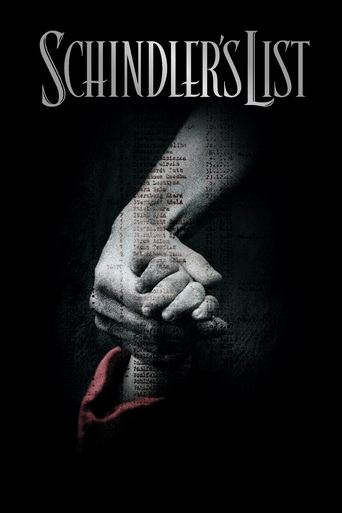

Continue the director
Schindler's List (1993)
Spielberg's earlier historical drama shows the same sober style, black-and-white and handheld, applied to the Holocaust. Together the two films mark his shift to serious history.
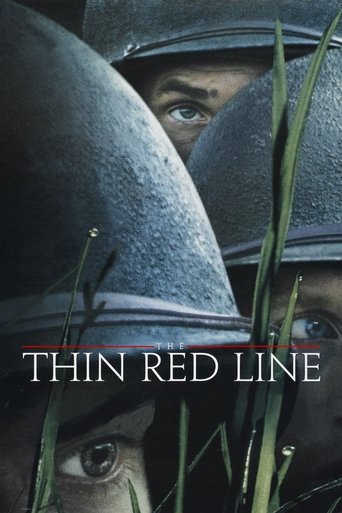
Compare another approach
The Thin Red Line (1998)
Released the same year, Terrence Malick's Second World War film is meditative and philosophical where Spielberg's is visceral and plot-driven. A revealing contrast.
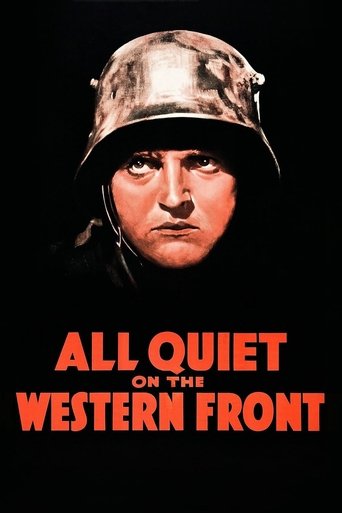
See what influenced it
All Quiet on the Western Front (1930)
This early sound classic shows an earlier effort to depict combat's horror and soldiers' disillusion, a tradition Spielberg's film inherits.
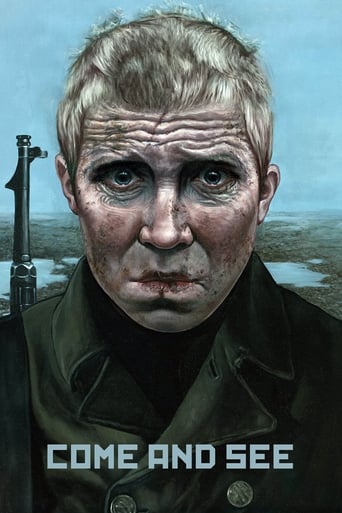
Follow the idea
Come and See (1985)
Elem Klimov's Soviet war film pushes the subjective, traumatic view of war much further, and shows how differently another national cinema treats it.
Jump forward
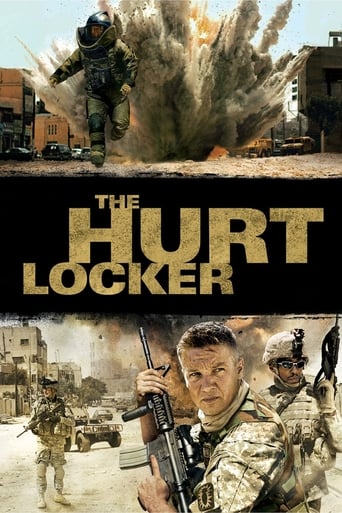
The Hurt Locker (2009)
Kathryn Bigelow's Iraq War film shows how the immersive, handheld realism of combat cinema evolved a decade later.