Documentary
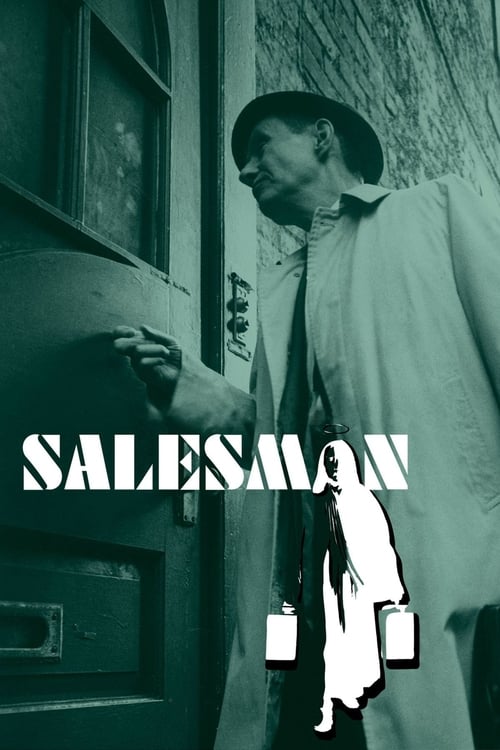
Salesman
American
1969 · Directed by David Maysles & Albert Maysles & Charlotte Zwerin · 90 min


Documentary
American
1969 · Directed by David Maysles & Albert Maysles & Charlotte Zwerin · 90 min


Meaning, unpacked
Central idea
The film can be read as a study of salesmanship as both work and identity: what it costs to turn charm and conviction into income, and how thinly the line runs between belief in a product and belief in oneself.
What it means
You have just spent time with a handful of Bible salesmen, and the film never once tells you what to think of them. That silence is the whole design. It follows men who sell expensive Bibles door to door, starts with several of them, and gradually settles on one, Paul Brennan, nicknamed the Badger, as the pressures of the job close in.
At its heart, Salesman is about selling as both work and identity. What does it cost to turn charm and conviction into income? How thin is the line between believing in a product and believing in yourself? Bibles are sold as sacred objects and as stock, with spiritual language sitting beside price, quotas and weekly results. The film sees both sides of the transaction: the salesmen are not villains, and the customers, working and lower-middle-class families asked to spend heavily on a symbol of respectability, are not fools. The ending refuses to resolve, staying with Paul as the pressure carries on.
Why it mattered
Salesman is the Maysles brothers' first feature and one of the defining American documentaries of the 1960s. It belongs to direct cinema, the movement that took lightweight sync-sound equipment into real situations and trusted observation over commentary. Albert Maysles shot and David Maysles recorded sound, a lean two-person team that could sit within arm's reach of people in ordinary rooms where a bigger crew would have felt intrusive.
It also showed how a documentary could be shaped like drama. With no script, Charlotte Zwerin, credited as co-director, edited hours of footage into a clear arc, using repetition and juxtaposition. The film follows several men but concentrates on one, so it plays like fiction built from fact. It was a commercial risk: a theatrical feature about unknown salesmen, with no famous names, pushed into cinemas.
Before anyone tells you what to think: what did you make of it?
Log in to rate it and leave commentsIt takes one click with Google or an email link. You come straight back here.
Rate it, keep your notes, and find the next film.
Free, no ads. Your journal, your lists, a Cine Guide that remembers you.
Create your free spaceAt first it made only modest impact. Many critics admired its sympathetic, unflashy portrait of ordinary work, though some found the subject dull or the method intrusive. But it made the Maysles leading figures in American documentary. Later filmmakers took up its approach to character, long takes and ordinary working lives, from the Maysles' own later work onwards.
Its reputation has grown steadily. Paul is often likened to a real-life Willy Loman from Arthur Miller's Death of a Salesman, and the film became shorthand for the anxieties behind the American dream. It is read as a quiet social document about religion, consumer credit and salesmanship in postwar America, and it is a staple of documentary courses, where it raises questions about the fly-on-the-wall ideal and the ethics of filming people. It is observational, not objective.
What happens
Paul Brennan's sales dry up and his patter fails him, while his colleagues keep closing. The film offers no rescue and no judgment. It leaves him still working, uncertain, as the company's cheerful slogans carry on around him.
The last image
Paul is left in the field, still on the job and unsure of himself, with the company's upbeat talk of positive thinking going on around him.
Three readings
What it says
The ending refuses a verdict on purpose. Selling and identity are tangled together, and the film trusts you to judge. It stays with Paul rather than resolving him, which is the observational method taken to its end: watch, don't conclude.
Or follow an idea from this film

Continue the director
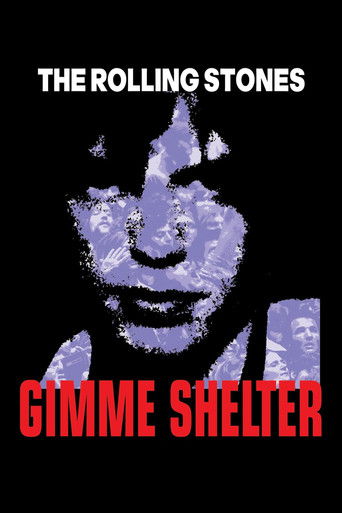
Gimme Shelter (1970)
The Maysles' next landmark applies the same observational method to a concert, and shows how the approach changes when events become violent.
See what influenced it
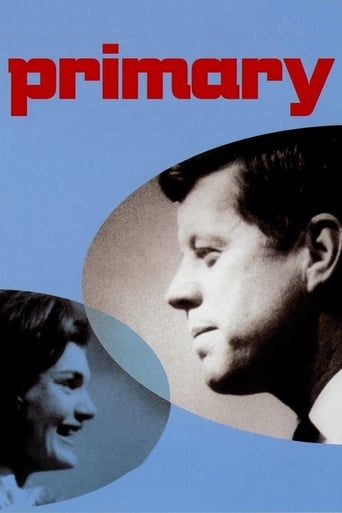
Primary (1960)
The early direct cinema film that helped create the approach. It makes Salesman's method easier to understand and compare.

Explore the era or movement
Titicut Follies (1967)
Frederick Wiseman's film from the same moment of American observational documentary is far harsher and shows how varied the movement's tone could be.
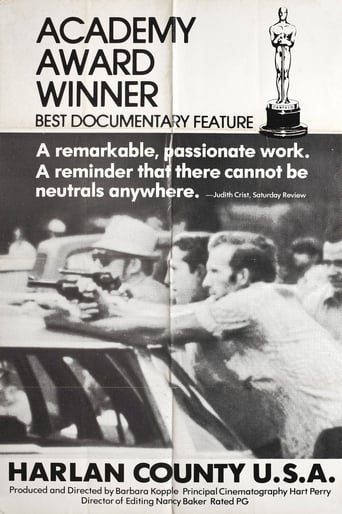
See its influence
Harlan County U.S.A. (1976)
A later American documentary that immerses itself in a working community and takes a stronger political stance.
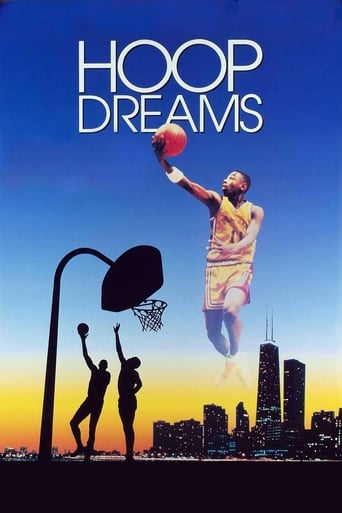
Follow the idea
Hoop Dreams (1994)
It follows ordinary people through a competitive system, with hope and pressure shaping lives, a theme close to Salesman's.