Crime · Thriller
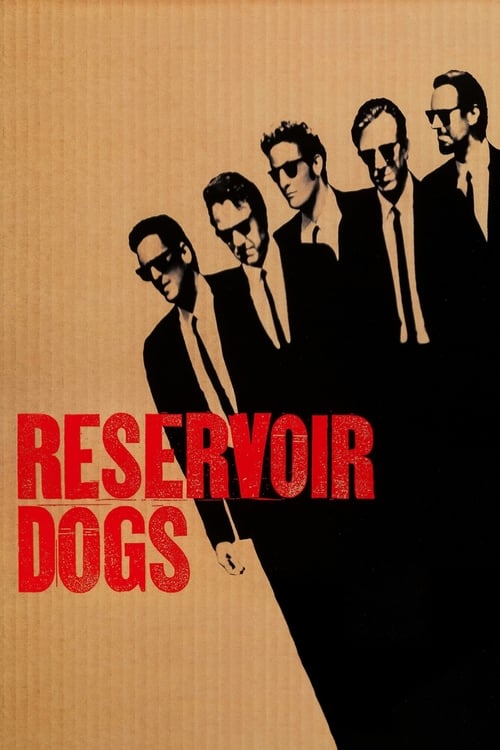
Reservoir Dogs
American
1992 · Directed by Quentin Tarantino · 99 min


Crime · Thriller
American
1992 · Directed by Quentin Tarantino · 99 min






Meaning, unpacked
Central idea
The film can be read as a study of loyalty and identity among criminals who barely know each other. Their code of professionalism is tested by fear, performance and the stories people tell to survive.
What it means
A robbery goes wrong, the survivors gather in a warehouse, and nobody knows who to trust. That is all the plot you need, because the film is really about loyalty and identity among criminals who barely know each other. They have colour names instead of real ones, no shared history, and only each other's word. The film turns that fragile trust into suspense, then tests whether honour among thieves can survive fear.
Notice how much of it is performance. Mr. Orange's anecdote is learned, practised and then performed, showing how a well-told fiction can create belief. The diner talk, full of swagger and trivia, is a way of masking fear and setting rank. The film keeps asking how much of anyone's identity is an act, and it shows violence as sudden, ugly and costly.
Why it mattered
Reservoir Dogs was Quentin Tarantino's first feature, made on a tiny budget. Scenes were developed at the Sundance Institute's directors' workshop in 1991, and Harvey Keitel's commitment to the script, and his work as co-producer, gave a first-time director the credibility and money to make a real film. It premiered at Sundance in 1992, and critics were struck by its confident writing and style.
It showed what a cheap crime film could do with talk and structure alone. The robbery is never shown, which keeps the focus on aftermath and suited the budget. The timeline is shuffled, so information arrives on the director's schedule. Most of it happens in one warehouse, with long takes and circling camera moves. The most famous scene cuts away to an empty corridor, yet it feels graphic because of sound, performance and suggestion.
Before anyone tells you what to think: what did you make of it?
Log in to rate it and leave commentsIt takes one click with Google or an email link. You come straight back here.
Rate it, keep your notes, and find the next film.
Free, no ads. Your journal, your lists, a Cine Guide that remembers you.
Create your free spaceIt helped launch a wave of 1990s crime films built on chatty dialogue, shuffled timelines and ironic pop soundtracks. The black-suited walk in slow motion is still parodied in advertising and worn as a group costume. "Stuck in the Middle with You" is forever tied to the torture scene, and the three-way gun finale helped popularise the Mexican standoff, echoed in films, TV, video games and The Simpsons.
It wasn't an instant hit. Its US run was modest, and some viewers walked out over the violence. Its reputation grew through festival buzz, overseas and home-video interest, and especially after Pulp Fiction in 1994. Today it is regarded as one of the most influential debuts in American cinema. People now praise its tight structure, ensemble acting and economy more than its shock value, though some critics still debate its violence and its debts to earlier crime films.
What happens
Mr. Orange, the undercover cop, confesses to Mr. White, who shoots him as police burst in and shoot White. Joe and Eddie are already dead. Only Mr. Pink escapes with the diamonds, his fate unknown.
The last image
White cradles the dying Orange on the warehouse floor, then the film cuts to black as the police shots ring out.
What it says
White's loyalty to a man he liked outlasts his professional code, and it destroys him. The ending shows trust built on performance collapsing once the performance is exposed. No one is rewarded, and the only survivor is the one who ran.
Or follow an idea from this film

Continue the director
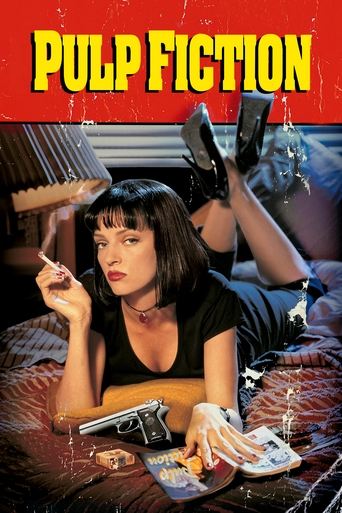
Pulp Fiction (1994)
Tarantino's next film takes Reservoir Dogs' ideas of shuffled time, pop music and talky criminals and turns them into a sprawling, more playful masterpiece.
See what influenced it
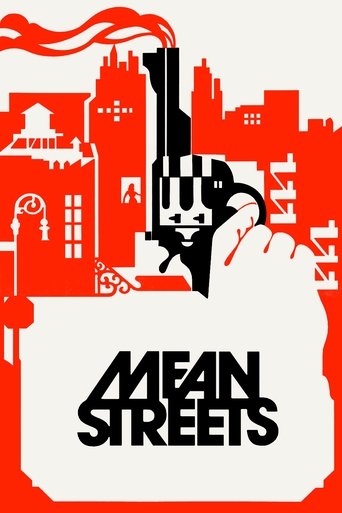
Mean Streets (1973)
Scorsese's breakthrough shows how pop music, loose dialogue and sudden violence were combined in a crime film two decades earlier.

Explore the era or movement
GoodFellas (1990)
Released two years earlier, it shows the crime-film mood Tarantino stepped into and offers a very different, more expansive style of storytelling.
Compare another approach
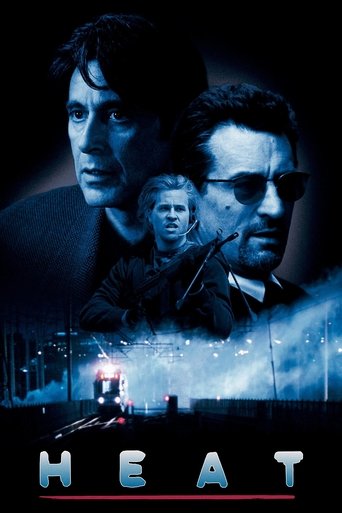
Heat (1995)
Another heist-centred crime film about professionals and loyalty, made with polished scale instead of low-budget intimacy, which makes the contrast useful.
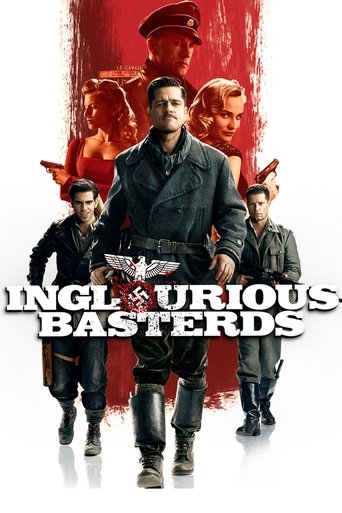
Jump forward
Inglourious Basterds (2009)
Tarantino's later work shows how his talk-driven suspense scenes grew in scale while keeping the same tension built from dialogue.