Drama
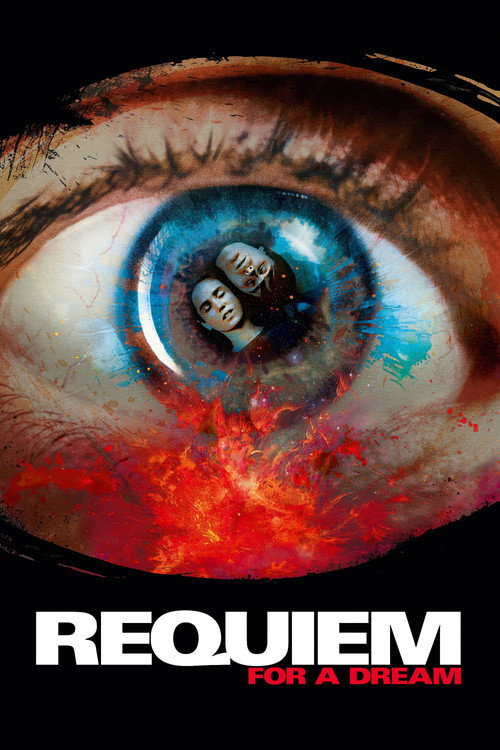
Requiem for a Dream
American
2000 · Directed by Darren Aronofsky · 102 min


Drama
American
2000 · Directed by Darren Aronofsky · 102 min










Meaning, unpacked
Central idea
The film can be read as a study of addiction in its widest sense: any craving that replaces a life. It sets a widow's television-and-pills dependence beside her son's circle's heroin habit, and treats the American dream as a promise that feeds the craving.
What it means
On the surface, Requiem for a Dream follows a widow, her son and his circle, each chasing a modest dream: a shop, a television appearance, a home. Each is swallowed by a craving. By winter, nothing is left of the hope that began in summer.
It's often called an anti-drug film, but that's a myth. It's closer to a tragedy about wanting itself. Sara Goldfarb's dependence on television, food and prescription pills stands on the same footing as her son's heroin habit, and the film refuses to rank the respectable addiction above the illicit one. Sara's game show fantasy is really a wish to be seen, and the culture offers it only as spectacle. Sara and Harry love each other but can't reach each other; the drugs sit where conversation should be. The cruelest idea is how ordinary the wanting is. These people don't want much. That's the part that stays with you.
Why it mattered
The film made addiction physical through form, not just story. The camera keeps returning to pupils, veins, skin and weight. Hip-hop montages of pupils dilating, pills dropping and powder dissolving set the film's grammar, and their repetition makes ritual feel mechanical. Jay Rabinowitz's editing has a very high shot count, speeding up and slowing down with the characters' state.
Quick cutting for drug use existed before, but Aronofsky made it a recurring structural device and paired it with exaggerated sound. Body-mounted camera rigs and split screens added to the vocabulary. When the MPAA wanted cuts for an R rating, he declined, and the film went out unrated in the US. That limited its theatres, but the dispute added to its notoriety.
Before anyone tells you what to think: what did you make of it?
Log in to rate it and leave commentsIt takes one click with Google or an email link. You come straight back here.
Rate it, keep your notes, and find the next film.
Free, no ads. Your journal, your lists, a Cine Guide that remembers you.
Create your free spaceIts fast, rhythmic editing and subjective, body-mounted camera shaped later screen depictions of obsession, and Aronofsky carried the approach into The Wrestler and Black Swan. Clint Mansell's theme, Lux Aeterna, took on a life of its own, reworked for trailers, online videos, memes and concert arrangements. Sara's story, where prescribed diet pills feed her spiral, also helped bring attention to dependence that doesn't match the street stereotype.
Critics were divided but largely impressed. Many praised Ellen Burstyn and the film's formal daring; some found it punishing. Box office was modest, and Burstyn's Best Actress nomination was its only Oscar nod. Its reputation has grown steadily. It's now often cited as a landmark of 2000s American independent film, and as a film many people admire but hesitate to watch twice.
What happens
In winter, all four lives collapse: Tyrone is jailed, Harry loses his arm, Marion sells herself for drugs, and Sara is shocked in a hospital. Each ends curled up alone, the dream gone.
The last image
Sara, alone in her hospital bed, imagines winning on television with Harry beside her, successful and well.
What it says
The ending refuses a rescue. Cross-cutting the four fates makes them one verdict on craving, and Sara's fantasy is the cruelest part: she gets the connection and recognition she wanted only in her mind.
Or follow an idea from this film


Continue the director
Black Swan (2010)
Aronofsky returns to a subjective, body-focused style, applying it to ambition and perfectionism in the ballet world.
Compare another approach
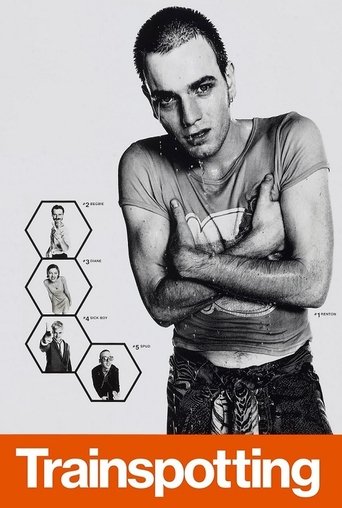
Trainspotting (1996)
A kinetic, darkly comic treatment of heroin addiction that makes a useful contrast with this film's unrelenting tragedy.
Follow the idea
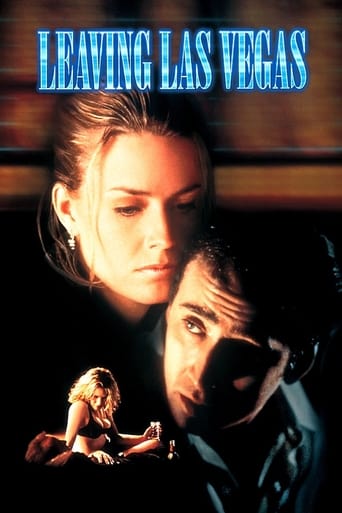
Leaving Las Vegas (1995)
Another American drama that treats addiction as a human story without moralising, anchored by committed lead performances.
See what influenced it
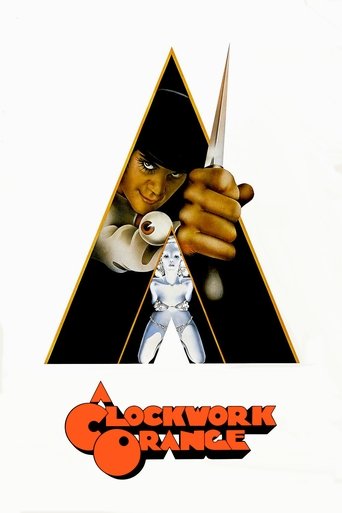
A Clockwork Orange (1971)
An earlier example of a film using stylised form, music and distorted perspective to put the viewer inside a compulsion.