Horror · Mystery
[REC]
Spanish
2007 · Directed by Jaume Balagueró & Paco Plaza · 78 min


Horror · Mystery
Spanish
2007 · Directed by Jaume Balagueró & Paco Plaza · 78 min









Meaning, unpacked
Central idea
The film can be read as an exploration of the camera as both witness and shield: the reporter keeps recording because it is her job, and the audience keeps watching for the same reason, while the horror closes in. It questions what it means to record and broadcast fear.
Its lasting influence
It spawned the sequel [REC] 2 and the US remake Quarantine, and it became a standard reference for horror filmmakers working with handheld, single-location, restricted-view storytelling, helping to establish Spanish horror as an international force.
The rest, in short
The central idea is the camera as both witness and shield. Ángela keeps recording because it is her job, and you keep watching for the very same reason. The film asks whether documenting an event becomes a way of avoiding it, or a duty to the public. The cheerful opening teaches you to trust the frame. Then the stairwell outbreak arrives, the camera confused and late, and it will not protect you.
Limited vision does the rest. In the dark finale, night vision shows almost nothing, and with no score, offscreen noise and sudden quiet do the frightening.
Before anyone tells you what to think: what did you make of it?
Log in to rate it and leave commentsIt takes one click with Google or an email link. You come straight back here.
Rate it, keep your notes, and find the next film.
Free, no ads. Your journal, your lists, a Cine Guide that remembers you.
Create your free spaceWhat happens
In the penthouse you learn the contagion began with Tristana Medeiros, a girl a church-linked researcher experimented on. Pablo is killed, Ángela is dragged into the dark, and the camera falls to the floor, still recording.
The last image
The camera lies on the floor in the dark, still recording, as Ángela's screams carry on off-screen.
What it says
The ending says that recording is no protection. Ángela and Pablo keep filming because it is their job, and you keep watching for the same reason. The film ends when the camera can no longer show you enough.
Or follow an idea from this film

See what influenced it
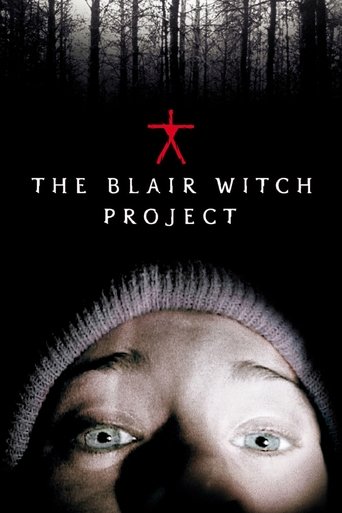
The Blair Witch Project (1999)
The film that made found-footage horror a mainstream idea. Comparing the two shows how [REC] turns a slow, ambiguous approach into a tightly plotted siege.
See what influenced it
Cannibal Holocaust (1980)
An early and far more extreme use of recovered footage, useful for seeing where the format's questions about recording and ethics began.
Coming soon
See its influence
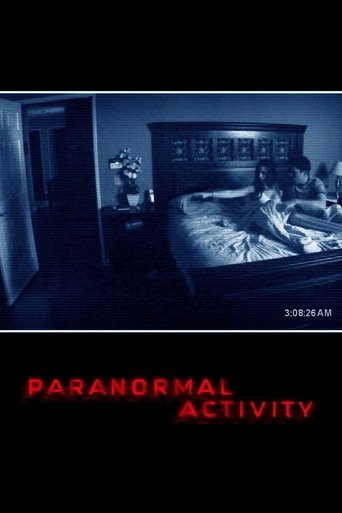
Paranormal Activity (2009)
A later, quieter and cheaper take on the same format, which shows how the approach spread and what it traded away.
Follow the idea
28 Days Later (2002)
Another early-2000s horror film that uses digital video and an outbreak narrative to create a sense of immediacy and social collapse.
Coming soon
Explore the era or movement
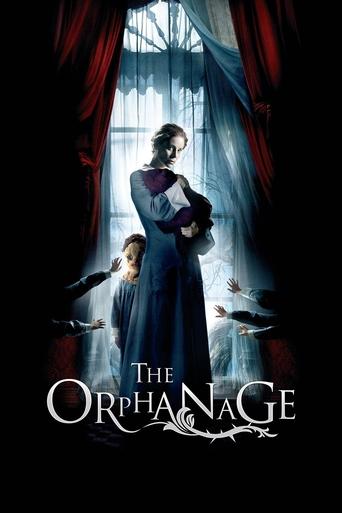
The Orphanage (2007)
Released the same year in Spain, it shows the other side of the country's 2000s horror: elegant, emotional and gothic where [REC] is raw and immediate.