Adventure · Action
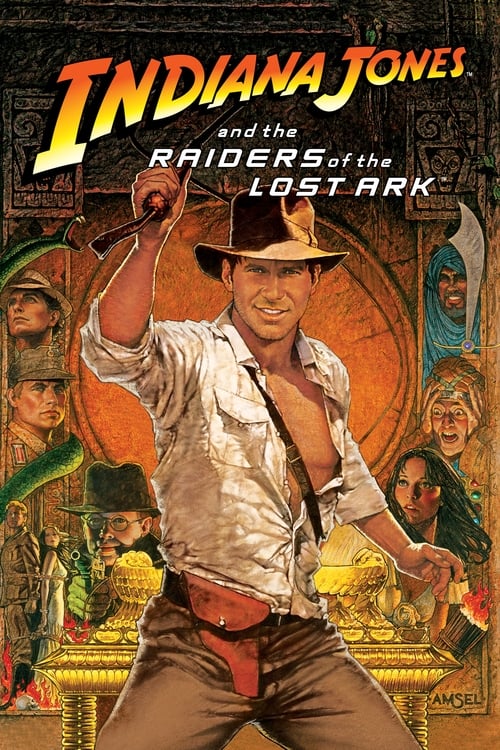
Raiders of the Lost Ark
American
1981 · Directed by Steven Spielberg · 115 min


Adventure · Action
American
1981 · Directed by Steven Spielberg · 115 min










Meaning, unpacked
Central idea
The film can be read as a contest between two ways of seeking power: Indiana's rough, worldly curiosity and a collector's hunger to possess the sacred. It stages that contest as pulp adventure, then ends by asking what a rational man should do before something he cannot explain.
What it means
Raiders of the Lost Ark can be read as a contest between two ways of seeking power. On one side is Indiana Jones, with his rough, worldly curiosity. On the other is a collector's hunger to possess the sacred. Spielberg stages that contest as pulp adventure, then ends by asking a quiet question: what should a rational man do when he stands before something he cannot explain?
Indiana is a sceptic who dismisses legends as superstition, yet the story keeps pushing him up against forces his scholarship cannot explain. Three parties claim the Ark: Indiana as teaching, Belloq as property, the Nazis as a weapon. And he is no invincible hero. He is outsmarted and injured, and his strength is persistence and improvisation. When the Ark is opened, the mood shifts toward something close to religious horror. In the end it sits crated in a vast warehouse, and the hero walks away. Perhaps the wisest thing he does is to look away.
Why it mattered
Raiders came out in June 1981 as a defining film of the blockbuster era. Spielberg and Lucas set out to rebuild the Saturday-matinee serial with big-studio craft. The old serials were an inspiration, not a template to copy: this was an homage rebuilt with far better budget, photography, sound and staging.
Its action was new in how readable it was. Spielberg cuts for clarity, so you always know where you are and what is at stake. The script works like a chain of serial cliffhangers, each escape producing the next problem, with the set pieces conceived first and the plot arranged to link them. The truck chase and the opening temple sequence are still used to show how staging and editing make action both comprehensible and thrilling.
Before anyone tells you what to think: what did you make of it?
Log in to rate it and leave commentsIt takes one click with Google or an email link. You come straight back here.
Rate it, keep your notes, and find the next film.
Free, no ads. Your journal, your lists, a Cine Guide that remembers you.
Create your free spaceAudiences and critics responded warmly. It became the highest-grossing film of 1981 in the United States, and reviewers praised its energy and old-fashioned fun, though a few found the violence startling and the plot thin. It earned nine Oscar nominations, including Best Picture and Best Director, and won four competitive awards, plus a special award for sound effects editing.
It launched the Indiana Jones series and shaped films like The Mummy and National Treasure, and games like Uncharted. The fedora and bullwhip became shorthand for the adventurer-archaeologist, and the Raiders March became one of the best-known pieces of film music. Today the film is taught as a model of action filmmaking and its craft is still admired. It is also debated for its colonial-era pulp attitudes and its portrayal of non-Western characters.
What happens
On a remote island, the Nazis and Belloq open the Ark. Indiana tells Marion to shut her eyes, and the spirits inside destroy them all. Back in Washington, the Ark is crated and lost in a vast government warehouse.
The last image
The Ark's crate is wheeled into an enormous warehouse, where it vanishes among countless identical crates.
What it says
Indiana, the sceptic, survives only by refusing to look at what he cannot explain. The warehouse shows how governments file power away unseen. The film ends on humility: some things are not ours to own or master.
Or follow an idea from this film

Continue the director
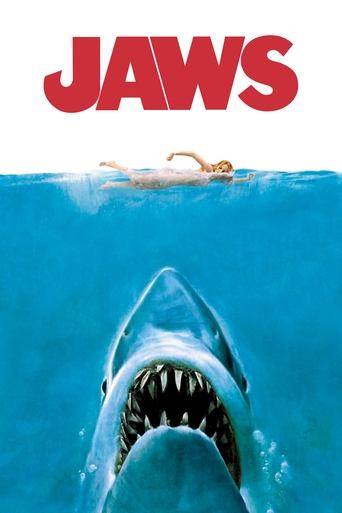
Jaws (1975)
Spielberg's earlier landmark shows the same command of suspense and audience manipulation, with the blockbuster idea in an earlier form.
See what influenced it
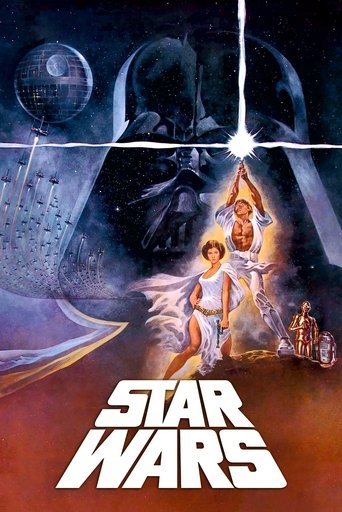
Star Wars (1977)
Lucas's film is the sibling project of Raiders, with a similar serial heritage and a comparable restoration of pure adventure.
See its influence
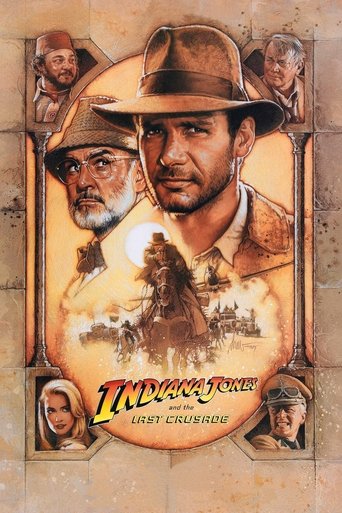
Indiana Jones and the Last Crusade (1989)
A direct sequel that deepens the hero through his father and arguably matches the original's balance of comedy and spectacle.
Compare another approach
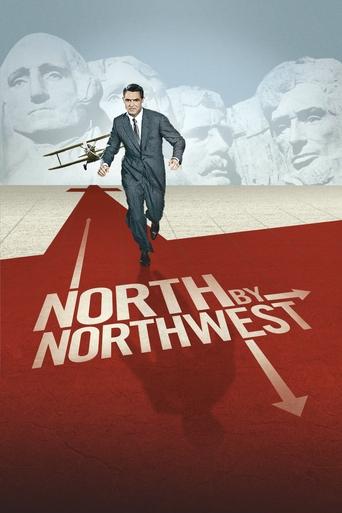
North by Northwest (1959)
Hitchcock's chase thriller is a classic model of set-piece storytelling and an ordinary man thrown into dangerous events.
Follow the idea
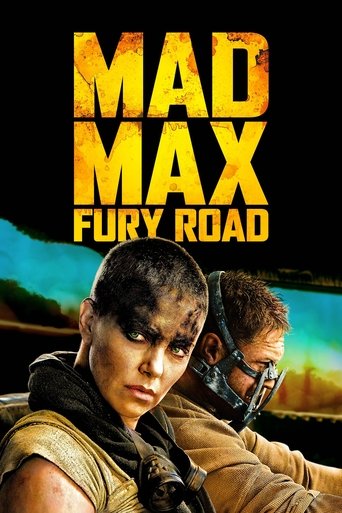
Mad Max: Fury Road (2015)
A modern action film built almost entirely from practical stunts and clear spatial staging, in a different register.