Drama · Thriller · Crime
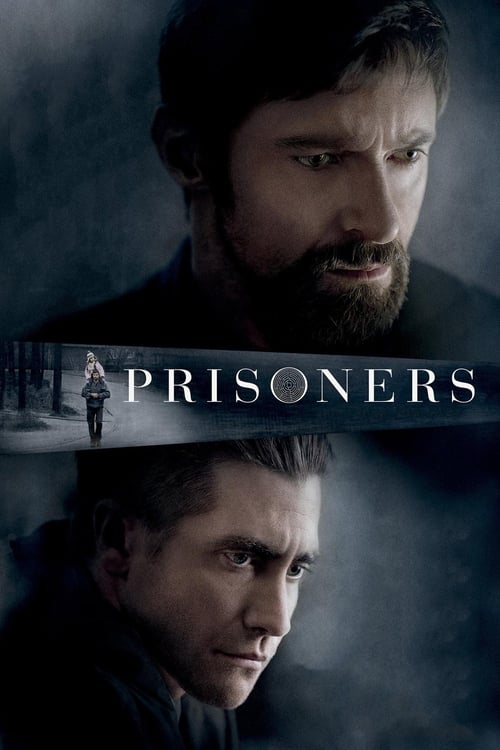
Prisoners
American
2013 · Directed by Denis Villeneuve · 153 min


Drama · Thriller · Crime
American
2013 · Directed by Denis Villeneuve · 153 min







Meaning, unpacked
Central idea
The film can be read as an inquiry into faith and certainty under pressure: what happens when a man who believes in God, family and order is forced to test those beliefs, and whether righteous desperation differs from cruelty.
What it means
Prisoners gives you two families, two missing girls, and one father, Keller, who decides the police are moving too slowly. But the film is really asking what happens when a man who believes in God, family and order is forced to test those beliefs, and whether righteous desperation is truly different from cruelty. It never settles the question for you. Keller is understandable and monstrous at once, and the film makes you feel the pull of his logic. The abandoned-house interrogation is the moral hinge. By then you are complicit in his reasoning, and a rescue story becomes a study of what love can be used to justify.
Faith runs through everything. Prayer, crosses and church spaces keep returning, and the confrontation with Holly Jones turns religion into both a comfort and a weapon. The film also sets Loki's patient police work against Keller's impulse, and shows the limits of both. People slide into wrongdoing through someone else's silence or through certainty that they are justified. The title reaches beyond the missing girls: a calm suburb hides buried pain, and many people here are prisoners of something.
Why it mattered
Prisoners is not a true story. It is an original screenplay by Aaron Guzikowski, drawing on real anxieties about child safety. It circulated in Hollywood for years, because its bleak, morally tangled premise was a hard sell for a studio.
Before anyone tells you what to think: what did you make of it?
Log in to rate it and leave commentsIt takes one click with Google or an email link. You come straight back here.
Rate it, keep your notes, and find the next film.
Free, no ads. Your journal, your lists, a Cine Guide that remembers you.
Create your free spaceDenis Villeneuve made it as his first English-language film, bringing a European art-house sensibility to a major-studio thriller. He kept the final cut, and the running time is far longer than most thrillers allow. That length gives the dilemma time to deepen. Roger Deakins shot it in cold, muted tones, with light coming from windows, headlights and lamps, and long takes let faces and silence carry the fear. It was his first collaboration with Villeneuve and earned the film its only Oscar nomination, for cinematography.
Prisoners opened in September 2013 to strong reviews, especially for Hugh Jackman, Jake Gyllenhaal and Deakins. Some critics found it long and bleak, and questioned its violence. Audiences responded well, and it was a solid commercial success for an R-rated original thriller. It confirmed Villeneuve as a maker of serious studio genre films, a path that led to Sicario, Arrival and Dune, and it helped sustain the dark, atmospheric crime-thriller style of the 2010s.
Its reputation has only grown. It is now often named among the best crime thrillers of the decade, praised for its moral ambiguity and craft, though its length and grimness still divide viewers. Jackman's raw turn is often cited as a break from his Wolverine and musical-star image. And the film is still used in classrooms and discussion groups to debate ethics, justice and how thrillers portray torture and vigilante justice. That final whistle, cut to black on a faint sound beneath the ground, keeps people arguing. Whatever ending you imagine may say as much about you as about Keller.
What happens
Loki finds Anna alive at Holly Jones's house and rushes her to hospital, while Holly leaves Keller trapped in a pit. Taking children was her way of making others lose their faith, a motive that recasts everything before.
The last image
Loki, standing outside, hears the faint sound of Keller's whistle from beneath the ground, and the film cuts to black.
Two readings
What it says
The film ends before the answer because its question is moral, not procedural. Keller's certainty put him in that pit. By withholding rescue or punishment, it won't let you settle whether his desperation was righteous or cruel.
Or follow an idea from this film

Continue the director
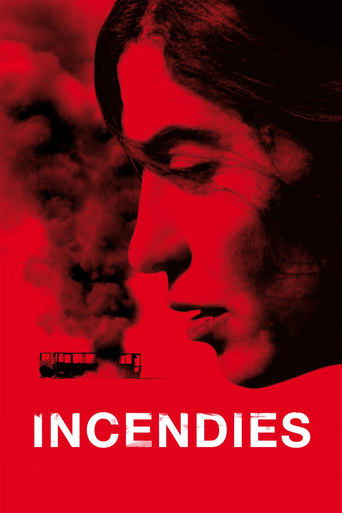
Incendies (2010)
Villeneuve's earlier breakthrough, a mystery about a family's past, shows the same patient structure and emotional weight in a different setting.
Compare another approach
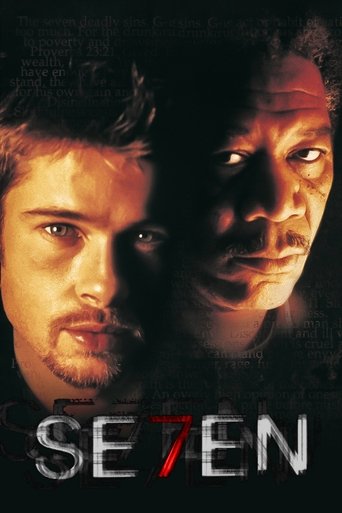
Se7en (1995)
Another bleak detective story in which a killer's design shapes the investigation. Compare how each film uses atmosphere and moral dread.
Follow the idea
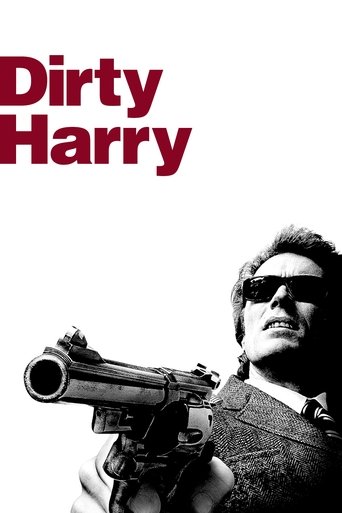
Dirty Harry (1971)
The classic vigilante-cop film. Seen after Prisoners, its idea of a righteous man breaking the rules looks very different.
See what influenced it
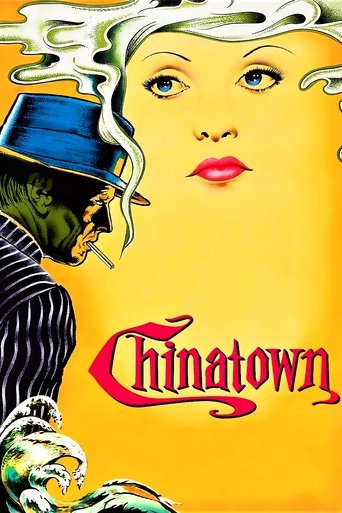
Chinatown (1974)
A 1970s thriller in which investigation reveals a hidden, corrupt world, a model for the moral pessimism of Prisoners.
Jump forward
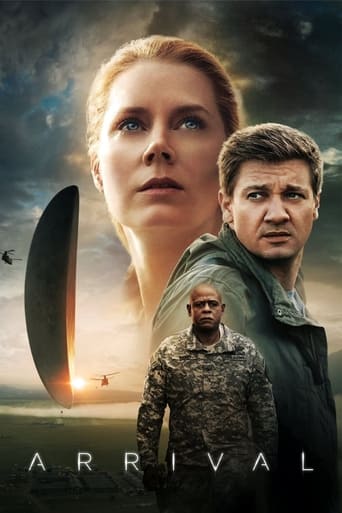
Arrival (2016)
Shows Villeneuve moving from crime to science fiction while keeping the same patience, emotion and score by Jóhannsson.