Science Fiction · Drama · Thriller
Primer
American
2004 · Directed by Shane Carruth · 77 min


Science Fiction · Drama · Thriller
American
2004 · Directed by Shane Carruth · 77 min
Meaning, unpacked
Central idea
The film can be read as a study of how ambition, secrecy and self-trust erode when a person can revise events without consequence. It asks whether more control makes anyone wiser, or only more isolated.
What it means
Primer follows two engineers who tinker in a garage and stumble on a device that lets them revise events. They use it for money, then for more, until there are overlapping versions of Aaron and Abe, and neither man is sure what the other knows. The film refuses to hold your hand, and that refusal is the point.
At its heart is a question: what happens to a person who can revise events without consequence? Does more control make anyone wiser, or only more alone? Notice how small the ambition is. Extraordinary power turns into ordinary self-interest almost at once, and the friendship strains under what each man withholds. No institution, rule or witness checks them. The men can run the machine without fully grasping what it means, and so, at times, can you.
Why it mattered
In 2004, Primer showed that a convincing time-travel film could be made with no effects at all. Shane Carruth wrote, directed, produced, edited and scored it, and also played one of the leads, with friends and volunteers doing much of the work. His budget was reported as roughly seven thousand dollars, an approximate production cost that he gave himself. It premiered at Sundance in January 2004 and won the Grand Jury Prize in the dramatic category.
Its newness lay in its method. Carruth studied mathematics and worked as a software engineer, so he wrote dialogue the way working engineers talk: overlapping, full of jargon, never stopping to explain. Shot on 16 millimetre film in plain garages, storage units and motels, with few locations and few actors, it had to dramatise ideas through behaviour and talk. Limits became style.
Before anyone tells you what to think: what did you make of it?
Log in to rate it and leave commentsIt takes one click with Google or an email link. You come straight back here.
Rate it, keep your notes, and find the next film.
Free, no ads. Your journal, your lists, a Cine Guide that remembers you.
Create your free spaceCritics praised its originality and ambition, and many admitted they could not fully follow it. It made a modest return at the box office, won no Academy Award and had no Cannes recognition, yet its reputation kept growing. It encouraged a wave of low-budget, idea-driven science fiction that trusts audiences with complexity. Carruth's follow-up, Upstream Color, extended his approach.
Viewers built timelines, flowcharts and colour-coded diagrams to track the overlapping versions of the two men, and reviewers still use the film as shorthand when a time-travel story is called dense. Courses in film, philosophy and science fiction sometimes use it as an example of consistent internal logic. Today it is regarded as a modern cult classic, often recommended as a film that needs more than one viewing, and a reference point for aspiring filmmakers.
What happens
One man leaves for another country while the other seems to start the cycle again. Their earlier selves have apparently rewritten the plan through several loops. You watch the result without being shown exactly what was done.
The last image
The closing planning sequence, which hands you a plan whose full meaning you must reconstruct yourself.
Three readings
What it says
The ending denies you the clean answer, much as the machine denies the men real understanding. Control brings isolation, not wisdom. The film asks you to try again, as they do, and never promises you will understand better.
Or follow an idea from this film
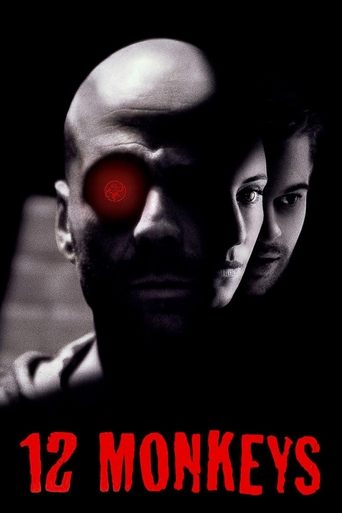

Compare another approach
Twelve Monkeys (1995)
Another story of looped time and fixed events. Compare its visual spectacle and emotional focus with Primer's clinical, procedural approach.
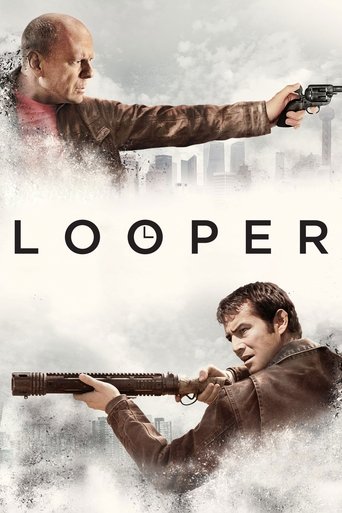
See its influence
Looper (2012)
A studio-scale descendant that uses time travel for action and character drama, and makes clear how much Primer's ideas have spread.
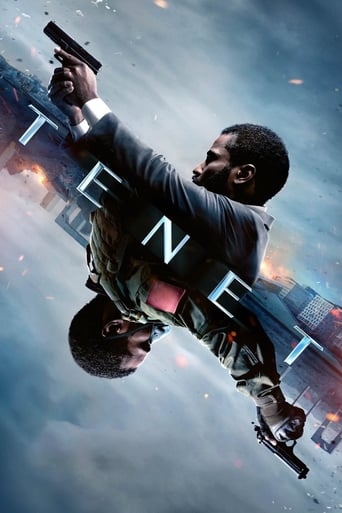
Jump forward
Tenet (2020)
Nolan's film pushes the demand for active, repeat viewing to blockbuster scale, with similar interest in procedure and opaque rules.
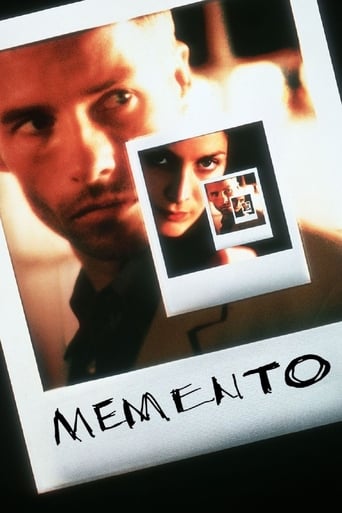
Follow the idea
Memento (2000)
Another film whose structure turns viewing into reconstruction, making the audience work through fragmented information.
Explore the era or movement
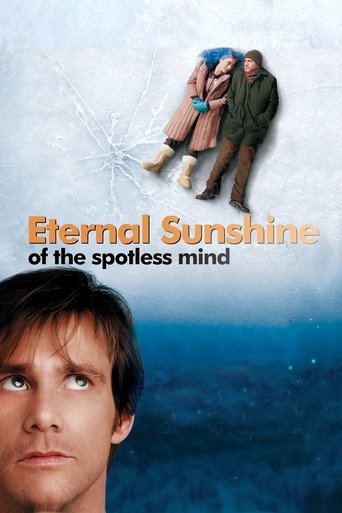
Eternal Sunshine of the Spotless Mind (2004)
Released the same year, it shows a very different, emotional approach to the same period's interest in manipulated memory and time.