Comedy · Crime · Mystery · Thriller
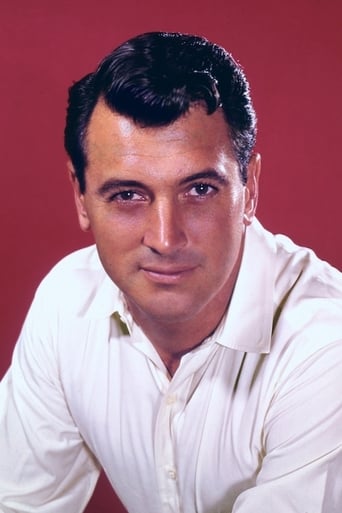
Pretty Maids All in a Row
American
1971 · Directed by Roger Vadim · 91 min


Comedy · Crime · Mystery · Thriller
American
1971 · Directed by Roger Vadim · 91 min








Meaning, unpacked
Central idea
The film can be read as a satire of authority and sexual hypocrisy at an American school, where those charged with guiding the young are the people most in need of guidance. Its jokey surface is part of the argument.
What it means
On the surface, Pretty Maids All in a Row is a sunny California high school comedy with a murder mystery attached. Underneath, it can be read as a satire of authority and sexual hypocrisy, set at a school where the people charged with guiding the young are the ones most in need of guidance. The jokey tone is part of the argument, and the film keeps asking who is really being protected, and from what.
That is why Rock Hudson matters so much. He plays Tiger, the beloved coach and counsellor, with easy, backslapping charm, and that charm is the trap. It is the reason nobody looks closely at him. His friendly, uncle-like advice turns mentoring into control, and Ponce's arranged initiation is played as comedy even though adults designed the situation. Around him, the principal and the police chief care more about order and reputation than about truth. The final confrontation drops the comedy, and you feel the cost. The film's uneasy lesson is that laughter can be a way of looking away.
Why it mattered
The film belongs to a particular moment in early-1970s Hollywood, when the old Production Code had been replaced by the ratings system and a major studio could try sex, satire and mixed genres with uncertain judgment. Here you can see farce, erotic comedy and a crime story running together under Lalo Schifrin's cool, jazzy score. The tone is deliberately unstable, and many viewers find that its most interesting flaw.
It also joined unlikely talents. Roger Vadim, famous in France for films that showcased his actresses and for Barbarella, brought his glossy, European erotic style to an American school. Gene Roddenberry, writing just after Star Trek ended its network run, adapted Francis Pollini's novel for an adult audience, and Rock Hudson, known for romantic leads, was cast against type. Critics were uncomfortable with the blend of jokes, sex and murder. It was met with mixed to hostile reviews, did not become a significant commercial success, and was soon seen as a misjudged entry in several careers.
Before anyone tells you what to think: what did you make of it?
Log in to rate it and leave commentsIt takes one click with Google or an email link. You come straight back here.
Rate it, keep your notes, and find the next film.
Free, no ads. Your journal, your lists, a Cine Guide that remembers you.
Create your free spaceIt is not a major influence, but it sits in a line of school-set black comedies and thrillers that mix humour and murder, running from later teen slashers to satires such as Heathers. If you want to follow that thread, Heathers is the natural next film, and Barbarella shows more of Vadim's style.
Today it survives as a cult curiosity and a period piece, interesting for its cast, its Roddenberry script and its willingness to take risks with tone. Modern viewers generally find its treatment of young women and teacher-student relationships far more disturbing than its makers seem to have intended. That ties to the question at its heart: the girls are victims and objects of desire, rarely speakers, so is the film exposing that, or taking part in it? Both readings are worth arguing over.
What happens
Ponce works out that Tiger, the beloved coach, is the killer, murdering girls to protect his secret life. Tiger tries to pin the crimes on Ponce. The confrontation ends with Tiger dead and Ponce alive, while the school carries on as before.
The last image
The school goes on as normal, with its reputation intact and the sunny campus looking as untroubled as ever.
Two readings
What it says
The ending exposes the film's idea that respectability is cover. Tiger's exposure changes nothing for the institution, because the school cared about appearances, not truth. The sudden turn from comedy to violence shows what the earlier jokes were letting everyone ignore.
Or follow an idea from this film
Continue the director
Barbarella (1968)
Vadim's best-known Hollywood-era work shows the same glossy, erotic style applied to science fiction, and makes the director's approach easier to see.
Coming soon

Explore the era or movement
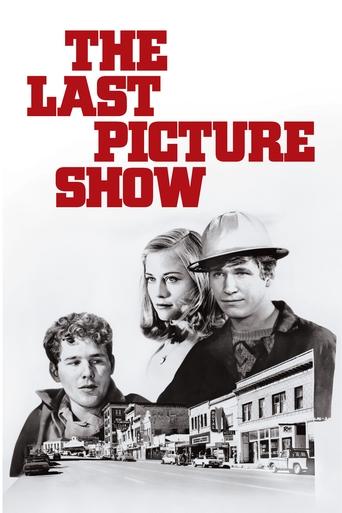
The Last Picture Show (1971)
Released the same year, it treats small-town adolescence, sex and adult disappointment with seriousness, giving a sharp contrast with Vadim's tone.
Follow the idea
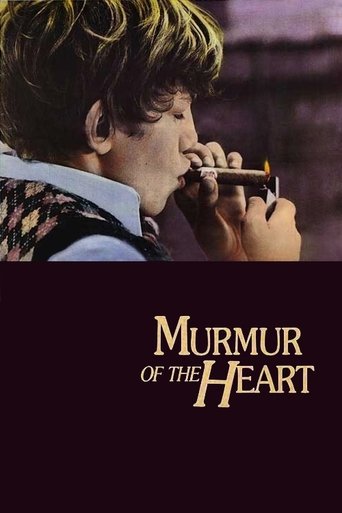
Murmur of the Heart (1971)
Louis Malle's film also deals with adolescent sexual awakening, but it is French, humane and far more reflective.
Compare another approach
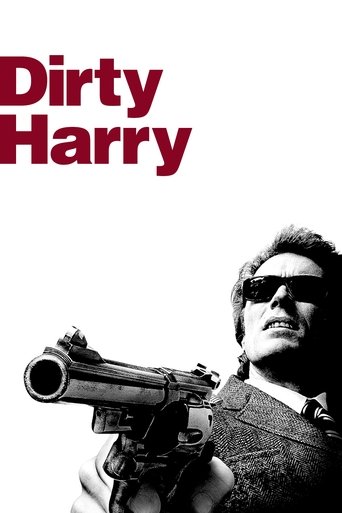
Dirty Harry (1971)
Another 1971 film about a killer, a worn-down police force and institutions, in a very different, grimmer register.

Jump forward
Carrie (1976)
A high school story in which sexuality, cruelty and authority become horror, showing where the genre went afterwards.