Science Fiction · Thriller
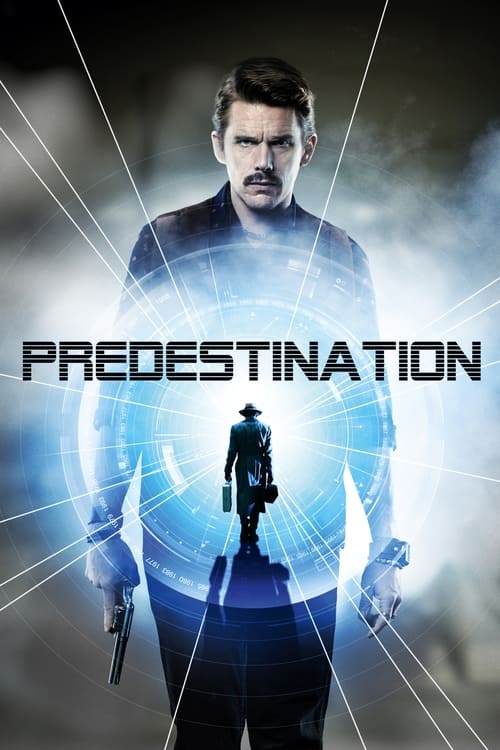
Predestination
Australian
2014 · Directed by Peter Spierig & Michael Spierig · 98 min


Science Fiction · Thriller
Australian
2014 · Directed by Peter Spierig & Michael Spierig · 98 min








Meaning, unpacked
Central idea
The film is about identity and self-creation under the pressure of cause and effect. It can be read as a study of a person with no one to blame, no one to save them and no one else to love, and of whether free will survives in a closed system.
What it means
A bartender listens to a confession, and it unspools into a life told in nested flashbacks. Alongside it runs a chase through time after a bomber. By the end, you see that the people at the heart of both stories are one and the same.
But the trick is not the point. Predestination is about identity and self-creation under the pressure of cause and effect. Think of a person with no one to blame, no one to save them and no one else to love, and ask whether free will can survive in a closed system. Every choice feels free, yet the plot shows each one was already accounted for. Underneath runs loneliness: the time-travel plot dramatises a longing for company, even if the only company on offer is yourself. The bomber thread adds a darker note, linking personal bitterness to mass harm. A closed loop can be a circle of damage too. The film's most haunting idea may be that the loop is a prison, and also the only company this person ever has.
Why it mattered
The film came out in 2014, part of a run of intimate, idea-driven time-travel stories that favoured puzzle and character over effects. Made on a modest budget, it swaps spectacle for period detail, conversation and a carefully laid plot, and shows how far one strong idea can go.
Its craft is economical. Nested flashbacks, a framing bar scene and a parallel chase are fitted together so that early lines and objects pay off later. The Spierig brothers adapted Robert A. Heinlein's 1959 short story themselves, keeping its central structure and adding a thriller frame for momentum. It premiered at South by Southwest and drew warm reviews, with Sarah Snook singled out. Box office was modest, so most people found it on home video and streaming.
Before anyone tells you what to think: what did you make of it?
Log in to rate it and leave commentsIt takes one click with Google or an email link. You come straight back here.
Rate it, keep your notes, and find the next film.
Free, no ads. Your journal, your lists, a Cine Guide that remembers you.
Create your free spaceThe film reinforced the appeal of small-scale, character-centred time-travel thrillers in the years of Looper and Tenet, and it sent a new audience to Heinlein's story. It also raised Snook's profile internationally, a path that later led to Succession.
Today it is a cult favourite, often named among the best time-travel films of its decade. Online, it is a regular reference for the bootstrap paradox, where a person is their own origin, and a handy example in talk of determinism. Its handling of an intersex central character is debated, and opinion is genuinely divided. Some critics found the plotting contrived, others admired its discipline. Its standing rests on its craft, Snook's performance and its willingness to follow its premise to the end, and it rewards a second viewing.
What happens
The agent tracks the Fizzle Bomber and kills him, then sees that the bomber is his own older self. Jane, John, the bartender and the bomber are one person, who has caused every event in his own life.
The last image
The agent stands over the man he has just killed and recognises his own face, and the loop begins again.
What it says
The ending closes the circle so completely that no choice is left outside it. This person has no one to blame or to rescue him, and bitterness feeds the loop. The film asks whether you can be free when you create yourself.
Or follow an idea from this film

See what influenced it
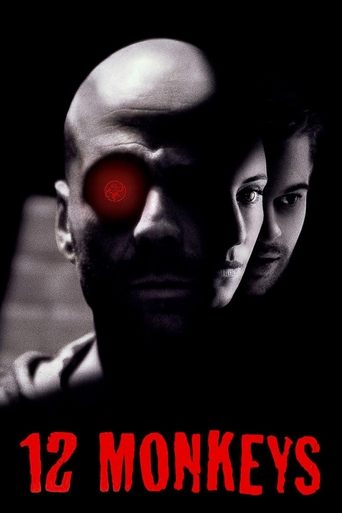
Twelve Monkeys (1995)
Terry Gilliam's time-travel thriller about an agent sent to avert a catastrophe is a clear ancestor, and shows how fate can close in on a hero.
Follow the idea
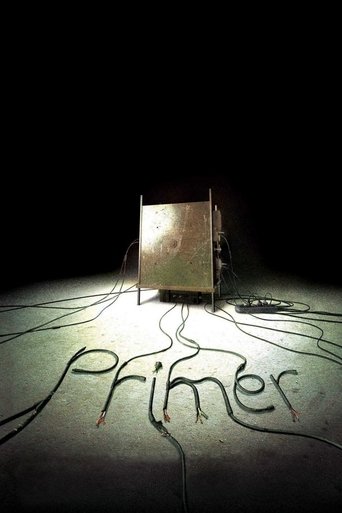
Primer (2004)
A tiny-budget film that takes time-travel logic seriously and demands careful attention. It is the purest example of the puzzle-box approach.
Explore the era or movement
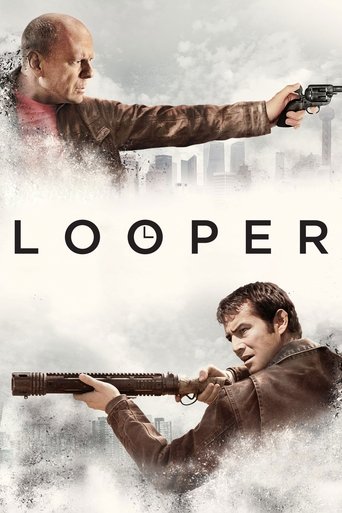
Looper (2012)
A near-contemporary time-travel thriller about assassins and their future selves, comparable in tone and in the way it humanises its premise.
Compare another approach
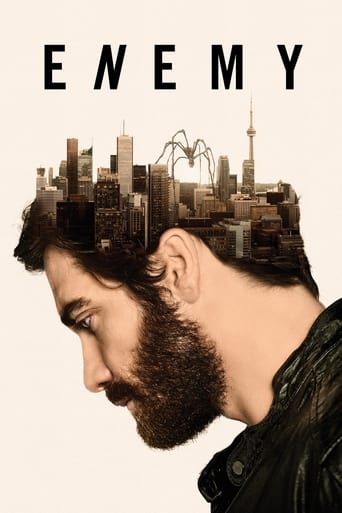
Enemy (2014)
Released the same year, this psychological thriller also asks what happens when a man confronts a version of himself, but with more ambiguity.
Jump forward
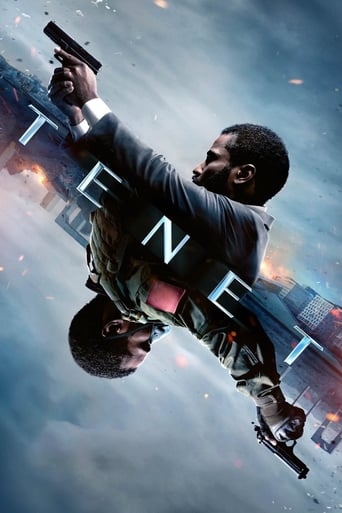
Tenet (2020)
Christopher Nolan's large-scale spy thriller shows where the idea of an agent moving through time led when given a blockbuster budget.