Horror
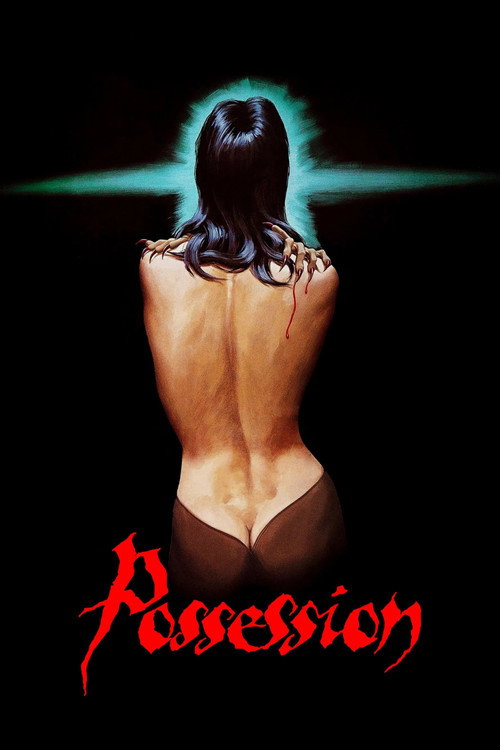
Possession
French
1981 · Directed by Andrzej Żuławski · 124 min


Horror
French
1981 · Directed by Andrzej Żuławski · 124 min








Meaning, unpacked
Central idea
The film can be read as an account of a marriage ending so violently that the breakdown spills beyond the couple into the physical world, with horror used to give shape to grief, rage and the fear of being unknown to the person you love.
What it means
Possession begins with a marriage ending in West Berlin, and the damage does not stay inside the home. Anna has found something she devotes herself to with frightening intensity, and her husband, played by Sam Neill, and their young son are left in the wreckage. The best way in is to see it as a marriage breaking down so violently that it spills into the physical world. Horror gives shape to grief, rage and a particular fear: that the person you love is a stranger to you, and that you may be a stranger to yourself.
Director Andrzej Żuławski framed it first as a drama about a marriage ending, not a monster movie. The creature matters less as a threat than as a way of saying what the couple cannot say. The film is not random, either. Its logic is emotional rather than explanatory, but pairs of people recur and figures are mirrored, asking whether anyone is whole or only a set of conflicting versions. The couple fight like combat, love blurs into worship and obsession, and the son quietly absorbs a catastrophe he cannot understand.
Why it mattered
In 1981 Possession pushed horror somewhere unusual: it used the genre for emotional ends rather than scares. A Polish director working in exile made a divorce drama and a horror film at once, and let acting and camerawork go as far as they could. Performances sit far above realism, turning psychological states into movement, sound and gesture. Bruno Nuytten's camera circles the actors in long, close takes, so it feels caught up in the emotion.
Before anyone tells you what to think: what did you make of it?
Log in to rate it and leave commentsIt takes one click with Google or an email link. You come straight back here.
Rate it, keep your notes, and find the next film.
Free, no ads. Your journal, your lists, a Cine Guide that remembers you.
Create your free spaceThe film also turned a divided city into a visual language. Shot in West Berlin with the Wall in the frame, in cold blues and greys, bare rooms and a nightmarish blank space, it made division both setting and metaphor. Carlo Rambaldi's practical creature effects kept the horror tactile and bodily. At release, reaction was divided. Isabelle Adjani won Best Actress at Cannes, and the film competed for the Palme d'Or, but its extremity alienated many critics and audiences.
The film's reputation grew in the shadows. It was cut heavily in places, including the United States, and in Britain it landed on the official list of titles targeted under obscenity law during the nineteen-eighties video nasties panic. For years it travelled in shortened versions, bootleg tapes and festival screenings, until restorations brought back the full cut. That forbidden status fed a cult following.
Today it is widely seen as one of the most daring European horror films. Critics who once dismissed its excess now often read that excess as the point. Its influence runs through emotionally extreme, body-centred art horror, and through filmmakers who use genre to dramatise relationships and trauma, from Lars von Trier to recent European and American auteur horror. Adjani's subway breakdown is regularly cited as a landmark of extreme screen acting.
What happens
In the apartment, Mark and Anna's story ends in gunfire and death. Afterward, Helen and the boy hear something outside that suggests the world beyond has been changed. What was real and what was collapse is left unresolved.
The last image
Helen and the boy listen to a sound from beyond the apartment, a sign that the world outside has somehow been altered.
Two readings
What it says
The film treats a marriage ending as something large enough to reshape the world. Ending on a sound rather than an answer keeps you in that uncertainty, where grief, love and fear of being unknown stay unresolved.
Or follow an idea from this film

Compare another approach
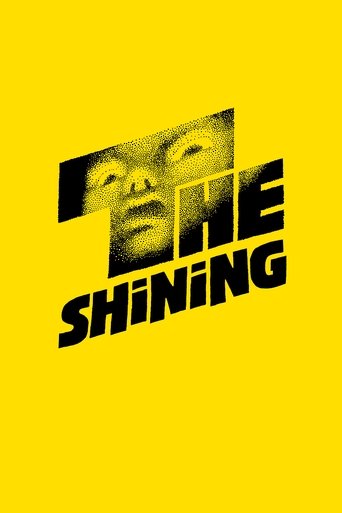
The Shining (1980)
Another horror film released around the same time that reads as a family breaking apart, using style and performance to externalise a marriage in crisis.
Follow the idea
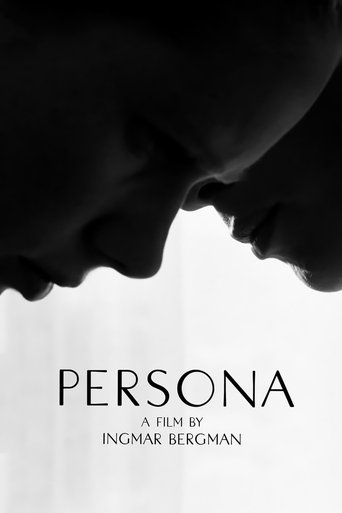
Persona (1966)
Bergman's study of identity under pressure is a cooler, more restrained route into the psychological ideas Possession pushes to a bodily extreme.
Explore the era or movement
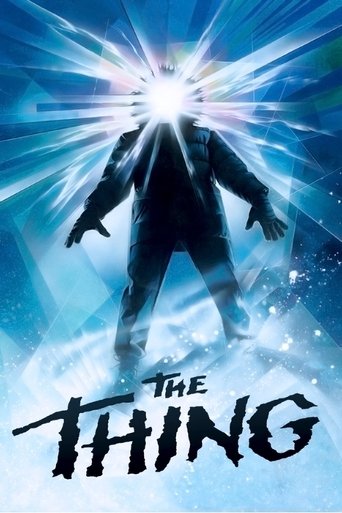
The Thing (1982)
Released a year later, it shares Possession's emphasis on practical, tactile creature effects and bodily horror, in a very different, genre-driven register.
See what influenced it
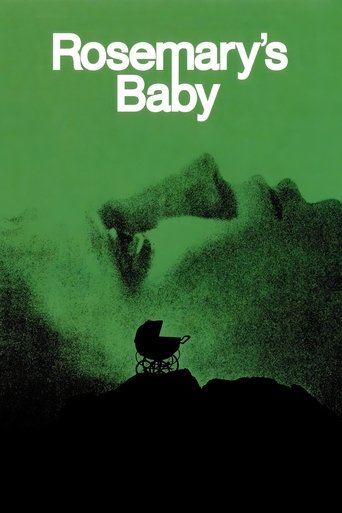
Rosemary's Baby (1968)
An earlier film where domestic intimacy and horror merge, showing how marriage and the body can become horror's subject.
Jump forward
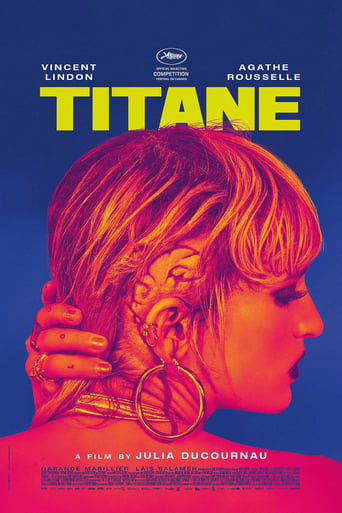
Titane (2021)
A modern European film that carries the same fusion of body horror and emotional intensity into a new generation.