Drama · Romance
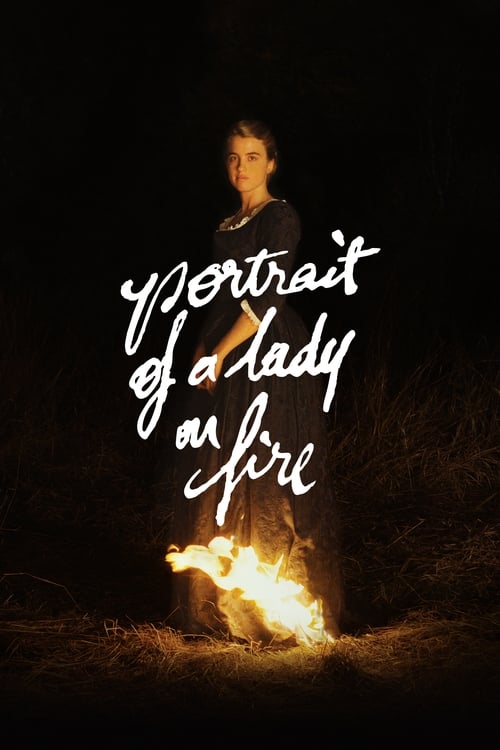
Portrait of a Lady on Fire
French (Portrait de la jeune fille en feu)
2019 · Directed by Céline Sciamma · 121 min


Drama · Romance
French (Portrait de la jeune fille en feu)
2019 · Directed by Céline Sciamma · 121 min










Meaning, unpacked
Central idea
The film explores how love can be a form of mutual attention, and how seeing someone truly is an act that changes both the viewer and the viewed. Art-making, memory and desire become inseparable, and the film can be read as arguing that a remembered love can last as an image.
What it means
On the surface, a painter and her sitter fall in love on an island, with an arranged marriage closing in. Years later, a painting brings the memory back. But the film is really about what it means to look at another person.
Its central idea is that love is mutual attention. Marianne studies Héloïse, and Héloïse studies her back. Looking is never one-way, which challenges the old picture of the passive model and the all-seeing artist. That is why the first portrait is rejected: accuracy is not the same as seeing. The Orpheus myth, read aloud and debated by the women, asks whether remembering someone is loss or loyalty. The film leans toward loyalty. A remembered love can last as an image. By the end, you may ask yourself what you keep of the people you have truly seen.
Why it mattered
When it premiered in competition at Cannes in 2019, it won Best Screenplay and was widely praised for its restraint, its performances and its images. Céline Sciamma made something quiet and spare feel urgent. She wanted the lovers to look at each other as equals, and that principle shaped the framing and the editing. She also chose an almost entirely female cast, to create a place where the usual hierarchy of the period is absent.
It reshaped the costume romance by making women both the makers and the subjects of art. Claire Mathon lit it like painting, with soft daylight, candles and fires. Music is held back, so the two moments where it arrives, the bonfire chant and the Vivaldi at the end, land with great force. A small cast and a closed setting give it the feel of a chamber piece.
Before anyone tells you what to think: what did you make of it?
Log in to rate it and leave commentsIt takes one click with Google or an email link. You come straight back here.
Rate it, keep your notes, and find the next film.
Free, no ads. Your journal, your lists, a Cine Guide that remembers you.
Create your free spaceThe film helped define the conversation about a female gaze in cinema. It encouraged period romances centred on women's inner lives and collaborations, and its mix of restraint and emotional force became a reference point for quiet, painterly costume dramas.
Today it is counted among the best films of the 2010s. Its reputation has grown with repeat viewings, since the slow pace and recurring motifs reward a second watch. It is widely loved as a lesbian romance in which love is neither punished nor tragic in the usual way. The final shot, Héloïse's face at the concert, is often singled out and shared online, and her green dress is a favourite of fan art. In 2020, Adèle Haenel left the César ceremony when Roman Polanski won Best Director.
What happens
Years after they parted, Marianne watches Héloïse at a concert, weeping to Vivaldi's "Summer", unseen. Marianne never speaks to her. The ending reveals that their love survives only as memory, kept alive by looking.
The last image
A long, unbroken close-up of Héloïse's face at the concert, tears running as the music swells.
What it says
The ending answers the Orpheus question: looking back is loyalty, not loss. Marianne keeps Héloïse as an image, and the film suggests that to have truly seen someone is to carry them always.
Or follow an idea from this film


Continue the director
Petite Maman (2021)
Sciamma's following film is shorter and more fantastical, but shares the small cast, spare style and attention to memory and loss.
Compare another approach
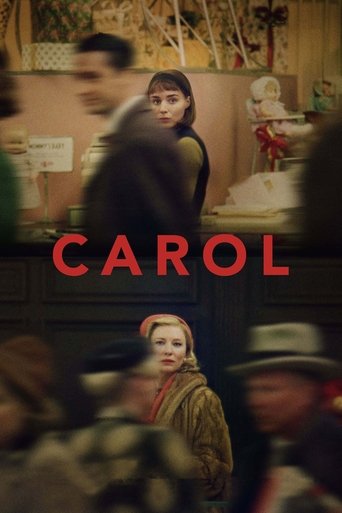
Carol (2015)
Another restrained romance between two women where glances and gesture carry the feeling, set in a society that limits what can be said.
Follow the idea
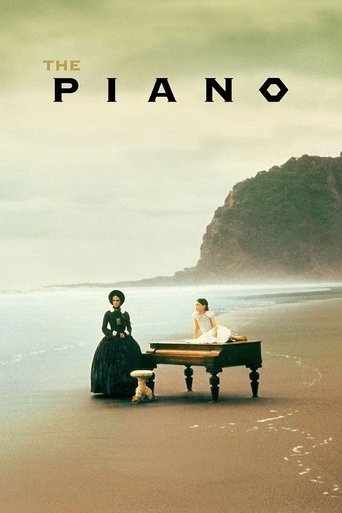
The Piano (1993)
A nineteenth-century story told from a woman's perspective, in which silence, landscape and desire are shaped by social constraints.

Explore the era or movement
Barry Lyndon (1975)
A masterclass in painterly period cinematography, using candlelight and composed tableaux that influenced later historical filmmaking.
See what influenced it
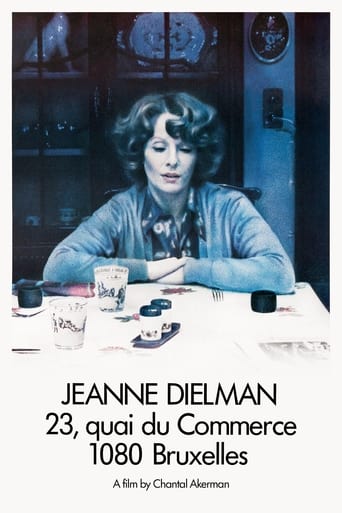
Jeanne Dielman, 23, quai du Commerce, 1080 Bruxelles (1975)
Chantal Akerman's landmark of feminist cinema treats women's domestic time and labour with patient attention, an ancestor of Sciamma's approach.