Drama · War · Action
Platoon
American
1986 · Directed by Oliver Stone · 120 min


Drama · War · Action
American
1986 · Directed by Oliver Stone · 120 min





Meaning, unpacked
Central idea
The film can be read as a fight for a young man's soul, with the war as the stage on which two models of manhood compete, and the real battle being what one is capable of becoming.
What it means
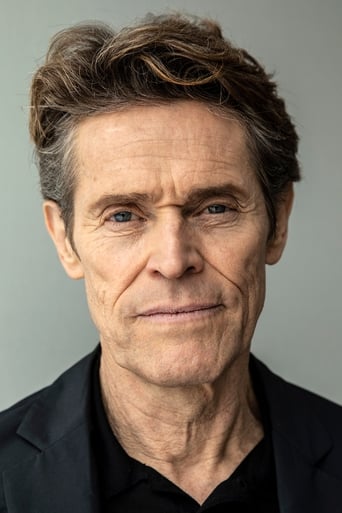
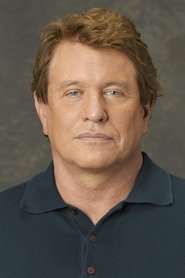
Platoon follows a young volunteer who arrives in Vietnam, gets pulled between two sergeants, and leaves a different person. The central idea is that this is a fight for one man's soul. The war is only the stage. On it, two models of manhood compete, Willem Dafoe's Elias and Tom Berenger's sergeant, and the real battle is over what a person is capable of becoming. Chris says as much in his letters to his grandmother: the war is being fought inside the platoon and inside himself.
That idea carries the themes. Chris arrives idealistic and middle-class, having volunteered for a war others avoided, and exhaustion and fear slowly change what he thinks he is. The men around him are mostly poor, working class or from minorities, and the film quietly notices who gets sent to fight and who finds a way out. Officers are distant or inexperienced, so the sergeants define morality on the ground. The village is the moral test. Violence against civilians splits the platoon, and the question becomes how ordinary men commit or tolerate such acts, and what they owe each other afterwards.
Why it mattered
In 1986, Platoon reset how American cinema pictured Vietnam: not as a hallucination or a wound to be avoided, but as a lived infantry experience. It was written and directed by Oliver Stone, who served as an infantryman there in 1967 and 1968. Studios had judged his script too grim, and it sat for roughly a decade. Hollywood passed, and the British company Hemdale financed it.
Before anyone tells you what to think: what did you make of it?
Log in to rate it and leave commentsIt takes one click with Google or an email link. You come straight back here.
Rate it, keep your notes, and find the next film.
Free, no ads. Your journal, your lists, a Cine Guide that remembers you.
Create your free spaceThe film's craft put you inside the squad's limited view. Robert Richardson shot in saturated greens and harsh light, handheld and close, in foliage that never shows the whole picture. Gunfire, shouting and silence were layered together, and Claire Simpson's editing kept the geography unclear, as it was for the soldiers. Georges Delerue's score and Samuel Barber's Adagio for Strings lifted suffering into tragedy. The actors trained in the jungle first, led by veteran Dale Dye, which helped build a believable group.
Platoon was a surprise commercial success. Many veterans said it matched their experience, though some critics found its good-versus-evil framing and melodrama too schematic, and a few questioned its picture of American troops. At the 1987 Academy Awards it won four of its eight nominations, including Best Picture and Best Director. It set the template for later grounded combat films, from Saving Private Ryan to The Hurt Locker, and Stone continued his look at American history in Born on the Fourth of July.
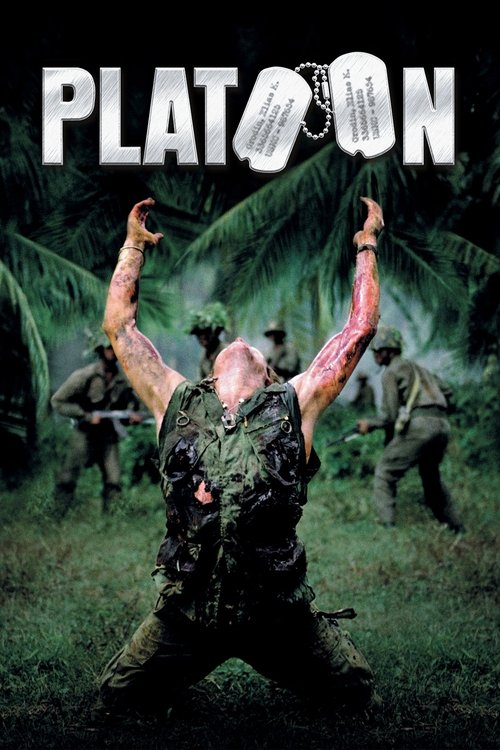
Its images stayed with people. Elias running under fire and dying with his arms raised became one of the best-known pictures of the Vietnam War on screen, and has often been echoed and parodied. Barber's Adagio became tied in the public mind to wartime tragedy. Today the moral allegory is often debated, but its immediacy and acting still hold. The lasting question is not who won, but who the men became.
What happens
Barnes, who killed Elias, is finally killed by Chris during the overrun night battle. Chris is flown out wounded, and the ending shows that surviving the war meant facing the worst in himself, not just the enemy.
The last image
Chris looks down from the departing helicopter at the scarred battlefield and the bodies below, as his narration speaks of two wars and a duty to rebuild.
What it says
The ending turns a war story into a question of conscience. Chris wins by becoming capable of killing, so survival costs him something. His closing words give that cost a purpose: he must carry it and rebuild.
Or follow an idea from this film
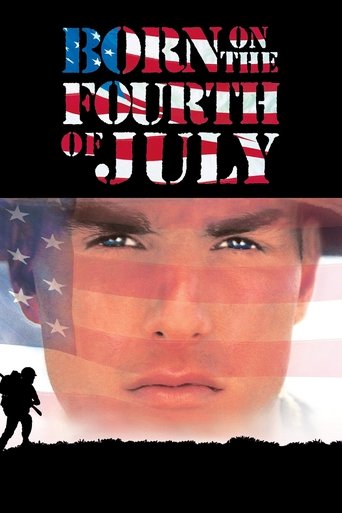

Continue the director
Born on the Fourth of July (1989)
Stone continues his Vietnam cycle with a veteran's return home, showing the consequences Platoon only hints at.
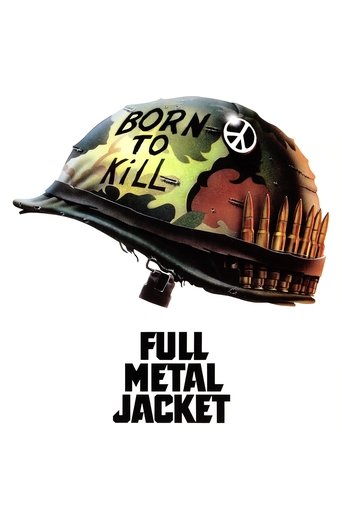
Compare another approach
Full Metal Jacket (1987)
A near-contemporary Vietnam film with a colder, more formal style, ideal for comparing two ways of showing the same war.
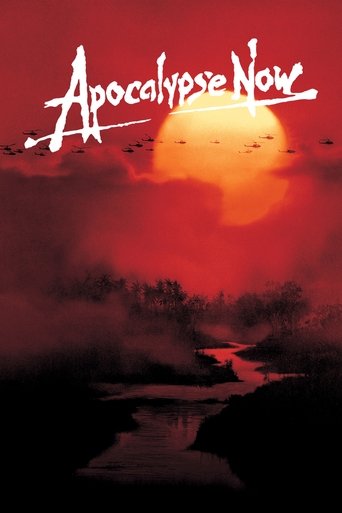
See what influenced it
Apocalypse Now (1979)
The heightened, dreamlike Vietnam film that Platoon's realism reacts against.
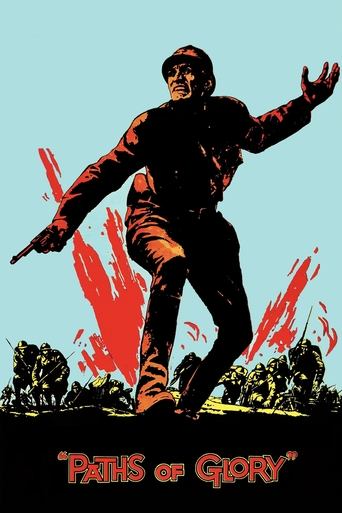
Follow the idea
Paths of Glory (1957)
A classic of the idea that the real conflict is inside the army, between conscience and command.
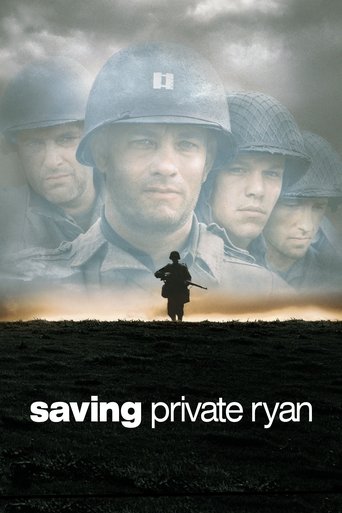
See its influence
Saving Private Ryan (1998)
Shows how Platoon's visceral, low-level combat style travelled into a later generation of war cinema.