Drama
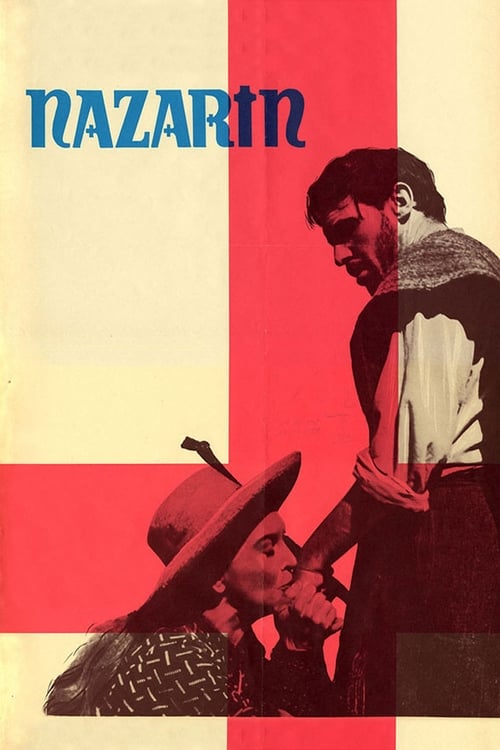
Nazarín
Mexican
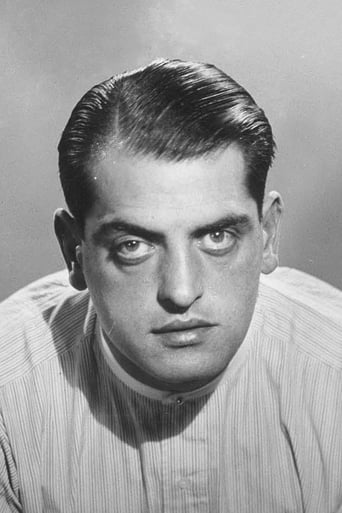
1959 · Directed by Luis Buñuel · 95 min


Drama
Mexican
1959 · Directed by Luis Buñuel · 95 min

Meaning, unpacked
Central idea
The film puts an absolute ideal of Christian charity into a real, unjust world and watches what happens. It can be read as asking whether goodness that ignores the world's rules is a virtue, a form of pride, or both.
What it means
Nazarín asks a simple and uncomfortable question. What happens when an absolute ideal of Christian charity is set down in a real, unjust world? A priest in Porfirian Mexico takes to the road, accepting only what is freely given. His kindness keeps colliding with property, desire, custom and force, and it changes very little. Is goodness that ignores the world's rules a virtue, a form of pride, or both? The film watches, and refuses to tell you.
The poor are neither sentimentalised nor condemned. They are practical, sceptical, sometimes cruel, with their own idea of what help means. The Church looks comfortable and conventional beside the priest's radical way of living, and comes off as the more compromised of the two. In the plague village, faced with real suffering, his certainty feels most human, fragile and costly. At the end, a peasant woman offers him a pineapple while drums from Buñuel's native Calanda sound. Defeat, revision or grace? You decide.
Why it mattered
Nazarín won the International Prize at Cannes in 1959, and critics praised its austerity and moral seriousness. The prize helped lift Buñuel out of commercial Mexican production and back into the international art-cinema conversation. It was not a simple win. Some Catholic viewers saw sympathy for the priest, while others suspected irony, and the film never settled it.
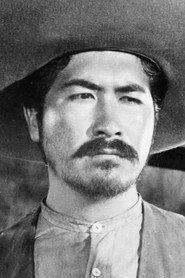
Its craft was plain and bold. Gabriel Figueroa shot hard-edged black and white, and Francisco Rabal underplayed so heavily that tiny shifts of expression carried the drama. Buñuel let irony come from what people do, not from a camera pointing at the joke. He used almost no music, so the final drums land with great force. The dream sequences show his surrealism turned toward psychology, not spectacle.
Before anyone tells you what to think: what did you make of it?
Log in to rate it and leave commentsIt takes one click with Google or an email link. You come straight back here.
Rate it, keep your notes, and find the next film.
Free, no ads. Your journal, your lists, a Cine Guide that remembers you.
Create your free spaceThe film's mix of realism, irony and religious questioning shaped Buñuel's later work, especially Viridiana, which carries these questions forward. Rabal worked with him again there and in Belle de Jour. Nazarín is now seen as one of the strongest films of his Mexican period and a key link to his later European work.
Its ambiguity has aged well. It is often used in discussions of religion and cinema, and of the Christlike holy fool whose charity fails in practice. It remains a model for films that test faith through action, not doctrine. The priest's goodness fails in practice, yet it does not go away.
What happens
Chained among common prisoners, Nazarín is told his goodness does no good. Then a peasant woman offers him a pineapple. He refuses, then accepts. It's the first time he lets himself simply receive.
The last image
A peasant woman holds out a pineapple to the priest, and the drums of Calanda sound on the soundtrack.
Three readings
What it says
The film won't say whether his goodness was virtue or pride. His charity failed in practice yet doesn't vanish. Buñuel, drawn to the priest's sincerity, ends on a small human exchange, not a verdict.
Or follow an idea from this film

Continue the director
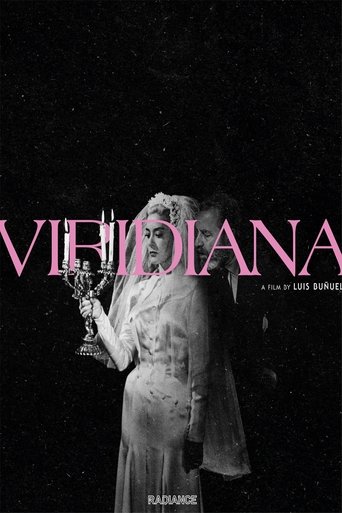
Viridiana (1961)
Buñuel's most famous religious film pushes the same idea of impractical goodness into sharper satire and became one of his best-known works.
Compare another approach
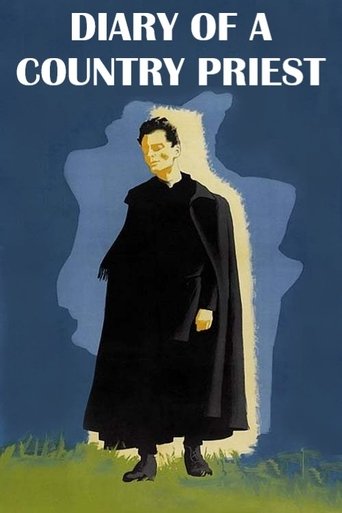
Diary of a Country Priest (1951)
Bresson's priest is also a sincere, struggling figure, but his film is inward and spiritual where Buñuel's is worldly and ironic.
Follow the idea
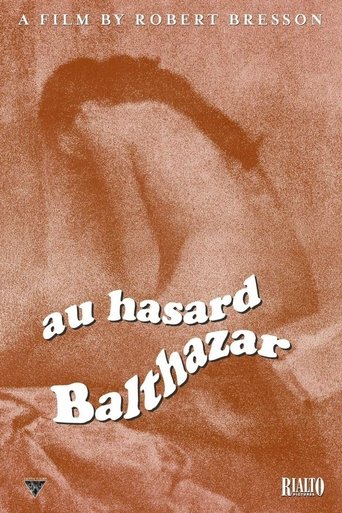
Au Hasard Balthazar (1966)
Bresson's story of an innocent creature passing through a cruel world explores a similar question about goodness and the world's response.
Continue the director
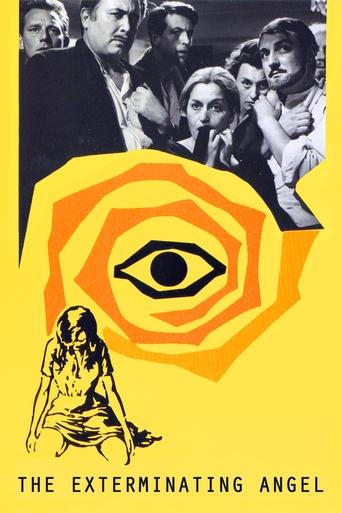
The Exterminating Angel (1962)
Buñuel's Mexican-period surrealism turns his view of social ritual into a claustrophobic parable, showing the other side of his style.