Drama · History · Thriller
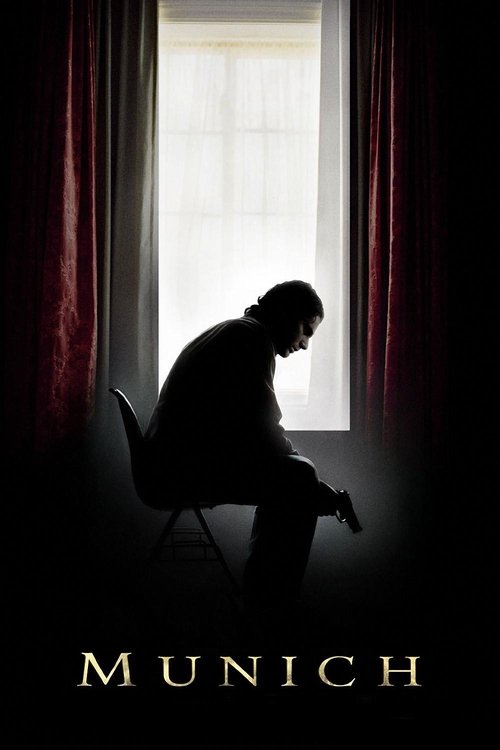
Munich
American
2005 · Directed by Steven Spielberg · 164 min


Drama · History · Thriller
American
2005 · Directed by Steven Spielberg · 164 min










Meaning, unpacked
Central idea
The film can be read as a study of how a cycle of violence perpetuates itself, and what a man loses when his commitment to a cause is gradually replaced by suspicion, fear and exile from his own home.
What it means
Munich follows Avner, sent out after the Olympic attack of 1972 with money, a team and no official record. He kills, and keeps killing. By the end he is left sleepless, suspicious and cut off from home. That loss is the heart of the film: a study of how a cycle of violence feeds itself, and of what a man gives up when commitment to a cause is slowly replaced by fear and suspicion.
Each killing is justified by the one before it, and none brings the safety that was promised. Home runs underneath everything. In the Athens safe house, opposing sides unexpectedly share a room and argue about homeland, and nobody wins, because each feels the same claim. The film makes the enemy ordinary too, and it also notes that the state sends men out and then steps back, leaving open who answers for covert violence.
Why it mattered
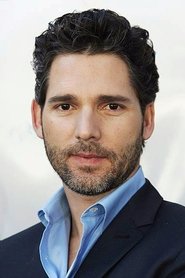
Spielberg is best known for adventure and wonder. Here he took on a real, still-contested conflict and refused easy answers. He stripped the glamour out of the spy film: the early attempts are clumsy and personal, full of hesitation, so killing feels difficult, not heroic. Eric Bana plays Avner as a quiet, ordinary man rather than a hardened operative.
It looks and feels like a 1970s thriller, with grainy texture, muted colours and slow zooms, and a restrained, mournful score from John Williams. The script, by Tony Kushner and Eric Roth, turns the mission into argument about ethics, family and identity. In a period when American cinema was reluctant to complicate stories of counter-terrorism, it brought back the morally ambiguous political film.
Before anyone tells you what to think: what did you make of it?
Log in to rate it and leave commentsIt takes one click with Google or an email link. You come straight back here.
Rate it, keep your notes, and find the next film.
Free, no ads. Your journal, your lists, a Cine Guide that remembers you.
Create your free spaceOn release it became a flashpoint. Some pro-Israel voices felt it equated both sides, while some Palestinian voices found its portrayal of Palestinians limited. Spielberg called it a plea for dialogue, not a verdict. Reviews were largely strong, but audiences were divided and it did modestly at the box office by his standards. It earned five Oscar nominations, including Best Picture and Best Director, and won none.
Its reputation has grown since. It is now often seen as one of Spielberg's most mature films and a brave post-9/11 work. The closing view of Manhattan, with the Twin Towers still standing, is widely read as tying old revenge to the war on terror. It has shaped later stories of covert killing that question their own heroes, such as Zero Dark Thirty. One caution: it works better as a moral drama than as documentation, since several events are invented. Its refusal to comfort you is its last gift. It leaves you with the question, and the question is the point.
What happens
Avner, now in Brooklyn with his family, meets his handler Ephraim and refuses both to return to Israel and to share a meal. He walks away unsure the killings made anyone safer, while trust in his own side has broken.
The last image
The camera looks over Manhattan's skyline, with the Twin Towers still standing.
Two readings
What it says
The ending refuses the comfort of a victory. Avner's doubt, sleeplessness and distance from home are the real cost of the mission, and the film leaves the question open because it wants you to carry it out with you.
Or follow an idea from this film

Compare another approach
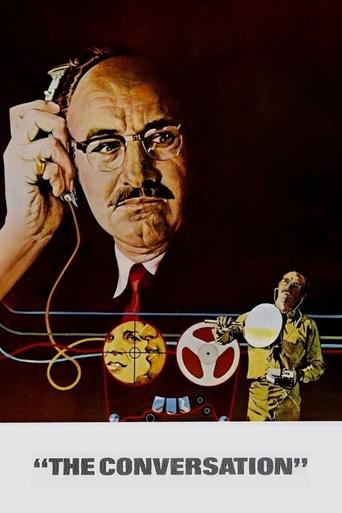
The Conversation (1974)
Another study of a professional consumed by guilt and suspicion, with a similar paranoid atmosphere and a quiet, haunted central performance.
See what influenced it
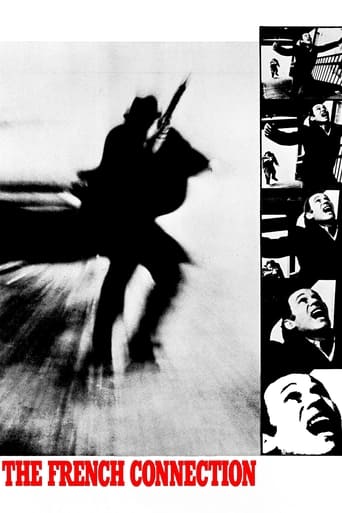
The French Connection (1971)
Its raw location work and procedural tension inspired Munich's 1970s feel.
Continue the director
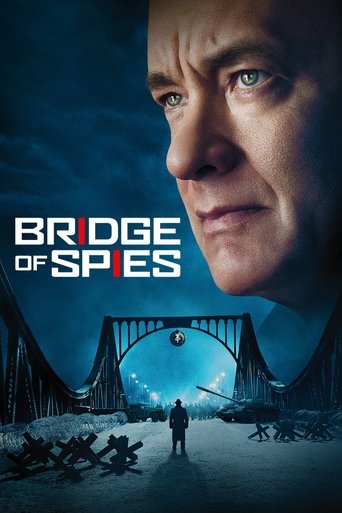
Bridge of Spies (2015)
Spielberg's later Cold War drama is another look at moral principle in the shadow of state secrecy, though calmer.
Follow the idea
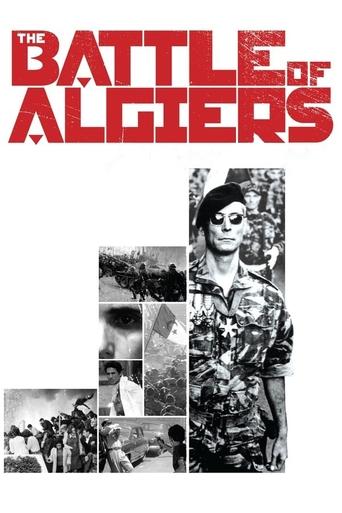
The Battle of Algiers (1966)
A landmark of political cinema that shows violence on both sides of a conflict, with a documentary immediacy that Munich echoes.
Compare another approach
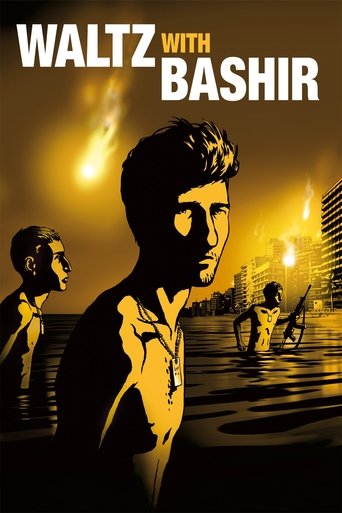
Waltz with Bashir (2008)
A different approach to a Middle Eastern conflict, built on memory and guilt, and similarly doubtful about the effect of violence on those who commit it.