Comedy
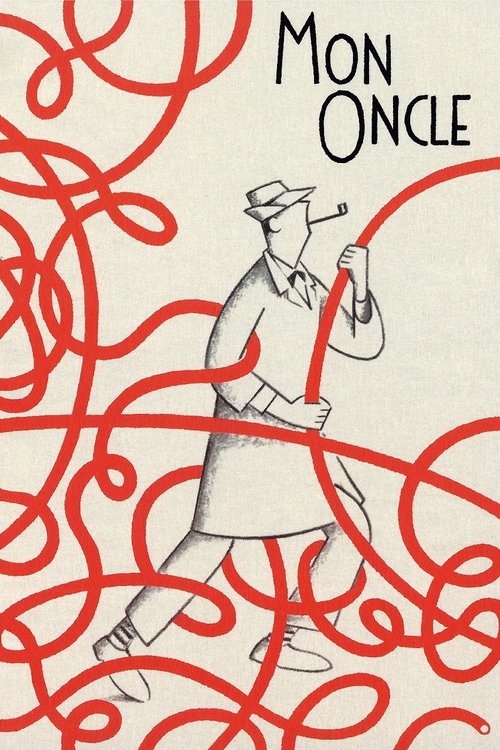
Mon Oncle
French
1958 · Directed by Jacques Tati · 118 min


Comedy
French
1958 · Directed by Jacques Tati · 118 min





Meaning, unpacked
Central idea
The film can be read as a comedy about the cost of designing life for appearance and efficiency. Tati sets human warmth, disorder and play against a world of tidy surfaces. He is not simply anti-modern: he is questioning whom the modern is for.
What it means
Mon Oncle is a comedy about what it costs to design life for appearance and efficiency. Tati sets warmth, disorder and play against a world of tidy surfaces. But he is not simply against the modern. He is asking whom the modern is for.
The film mocks the showy modernity of the Arpels, yet it also shows the old quarter as messy and Monsieur Hulot as a misfit. What it values is balance and human scale. The fish fountain says it all: Madame Arpel switches it on only when guests arrive, so the house becomes a performance. Meanwhile the home resists the people inside it, and Hulot's young nephew, the quiet witness, chooses the street over the rules. What do we do with our homes when nobody is watching?
Why it mattered
Mon Oncle was the second outing for Monsieur Hulot, who first appeared in Monsieur Hulot's Holiday in 1953. Here Tati placed him inside a larger social comedy, with more attention to design and to the family around him. It carried visual gags into the colour, consumer age, and it was his first full-colour feature.
Its methods were fresh. The jokes come from architecture, objects and noise rather than dialogue. Tati films in long, wide shots with action at several depths, so you choose where to look. Dialogue shrinks to a murmur while shoes, water and objects are heard clearly. Jacques Lagrange's purpose-built Arpel villa, with its round windows and sharp angles, works almost like a character. It showed that comedy could be built from composition and sound.
Before anyone tells you what to think: what did you make of it?
Log in to rate it and leave commentsIt takes one click with Google or an email link. You come straight back here.
Rate it, keep your notes, and find the next film.
Free, no ads. Your journal, your lists, a Cine Guide that remembers you.
Create your free spaceIt was warmly received. In 1958 the film won the Special Jury Prize at Cannes, then the Oscar for Best Foreign Language Film. That confirmed Tati as a leading European comic filmmaker and encouraged the larger ambitions of PlayTime. Hulot, with his pipe, raincoat, hat and umbrella, became one of the best-known comic figures in French popular culture.
The Arpel villa became a lasting image of the machine for living, and architecture and design discussions still cite it. Tati's wide frames and sound-driven comedy influenced later filmmakers of observational humour. Today many see it as his most accessible great film, and its questions about gadgets and urban change feel closer than ever.
What happens
After Hulot ruins the factory job, M. Arpel sends him away to work in the provinces. At the airport Hulot leaves, and father and son return home to the same house. Nothing there has really changed.
The last image
The Arpel house goes on with its routines, the same pattern of life resuming as if Hulot had never been there.
What it says
Hulot cannot fit the Arpels' tidy world, and they will not bend to his, so he leaves and the routines resume. The film values human scale over tidy surfaces, and the ending leaves that question for you to carry home.
Or follow an idea from this film

Continue the director
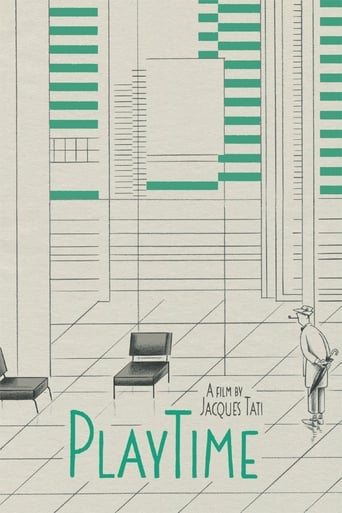
PlayTime (1967)
Tati's more radical follow-up takes the themes of Mon Oncle into a vast, glass-walled city, with intricate wide-screen staging and a more demanding comic rhythm.
Follow the idea
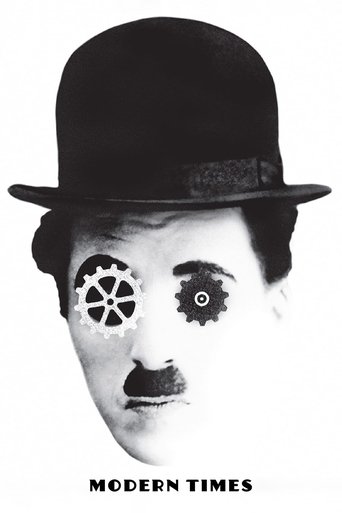
Modern Times (1936)
Chaplin's comedy about factories, machines and a misfit worker is the clearest earlier film about the pressure of modern efficiency on the individual.

Explore the era or movement
The Red Balloon (1956)
Another near-wordless French film from the 1950s, seen partly from a child's perspective, with colour and city streets used poetically rather than comically.
Compare another approach
The Apartment (1960)
Billy Wilder's comedy also satirises modern office life and designed spaces, though through dialogue and plot instead of visual and sound gags.